A realistic day-by-day and week-by-week guide to healing after upper, lower or combined eyelid surgery in Turkey.
18.08.2026
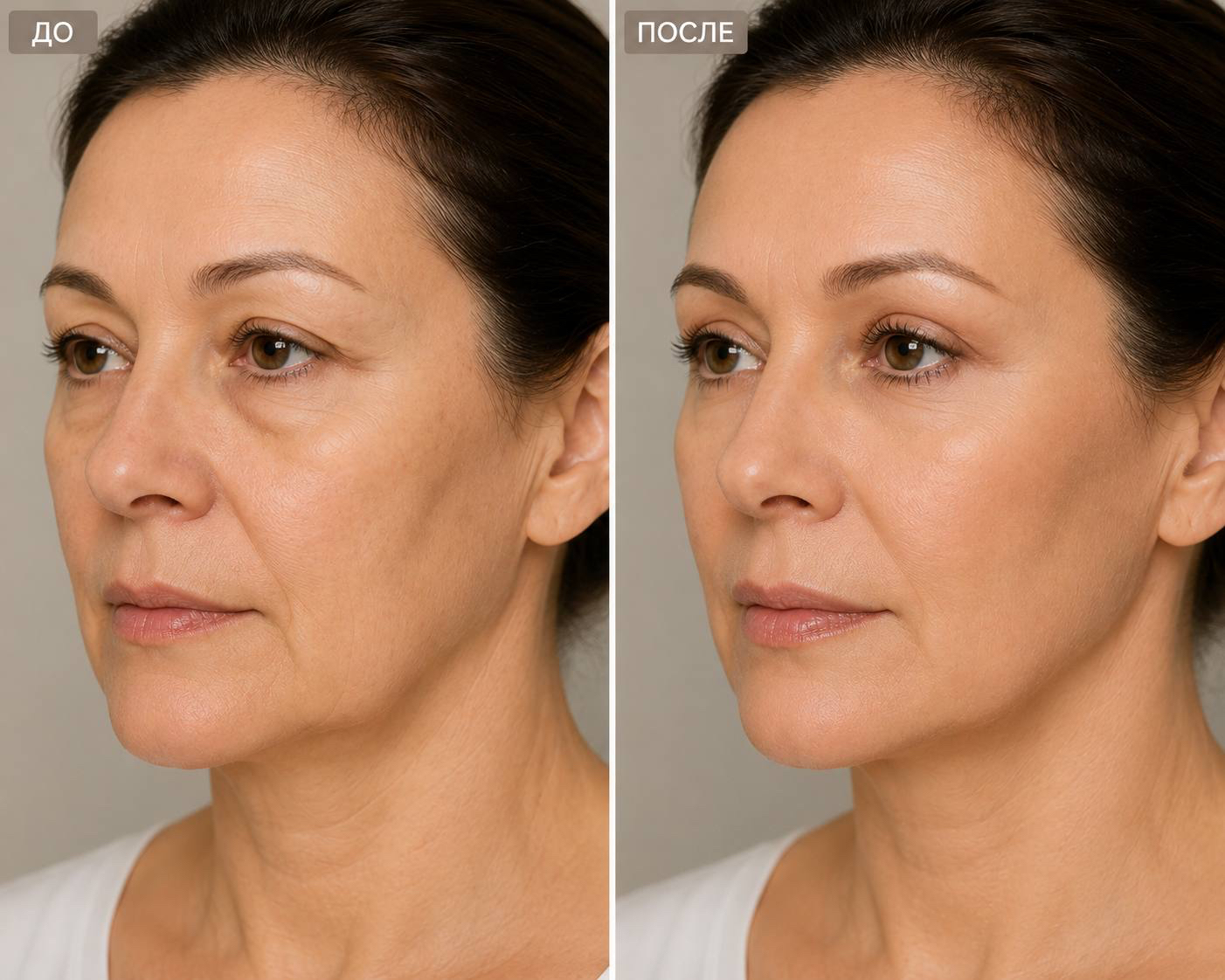
Blepharoplasty is a short procedure with a surprisingly gentle recovery. Upper eyelid surgery is usually performed under local anesthesia, no hospital stay is required, and most bruising and swelling settle within one to two weeks. At our partner hospitals in Turkey, an eyelid lift starts from €1,600 for the upper, lower or combined procedure, and the whole trip is usually shorter than the healing. What catches patients off guard is not pain — it is how dramatic the eyes look on days two and three, right before they start to improve quickly. Here is what actually happens, day by day, after eyelid surgery in Turkey.
You go back to your hotel the same day. The incisions are hidden in the natural crease of the upper lid or just under the lash line, closed with fine sutures, and there is no dressing over the eyes. Expect tightness, mild burning and blurry or watery vision from the ointment — not real pain. You will be asked to keep your head elevated, apply cold compresses in short intervals, and avoid bending forward or lifting anything. Swelling and bruising peak around 48 hours, so the second morning usually looks the worst of the whole recovery.
This is when the change becomes obvious. Bruising shifts from purple to yellow-green and starts migrating downward over the cheekbone, which is normal. Vision clears, tightness eases, and most patients feel well enough to walk around Antalya, eat out and sit in a cafe — with sunglasses on. Sutures are usually removed at the follow-up appointment around day 5 to 7, and your coordinator arranges the transfer to the clinic for it. Screens, reading and dry air still tire the eyes quickly, so plan for short activity and frequent rest.
By the end of week two most visible bruising is gone or easily covered with makeup, which is generally allowed once the incisions have fully closed and your surgeon confirms it. The scars are pink and slightly firm but sit in creases where they are hard to see. Light exercise resumes around two weeks, heavier training and anything that raises blood pressure in the head — heavy lifting, inversions, hot saunas — waits until roughly four weeks. Some residual puffiness in the mornings is normal well into this stage.
Most blepharoplasty patients stay in Turkey for 3-5 nights, timed around the suture removal and post-operative check-up. Cabin air is very dry, so bring lubricating drops, keep sunglasses handy and avoid rubbing your eyes on the plane. If you had lower or combined eyelid surgery, your surgeon may ask for a slightly longer stay, since that variant swells a little more and heals a few days behind upper-lid-only cases.
The refreshed, more open look is visible within a few weeks, but the eyes keep refining for three to six months as the last swelling resolves and the scars fade from pink to pale. Upper eyelid surgery removes hooding and heaviness; lower eyelid surgery softens under-eye bags and puffiness. Neither stops the aging process, but results are long-lasting, and most patients simply look rested rather than obviously operated on.
Contact your coordinator or surgeon immediately if you have sudden, worsening pain behind the eye, a rapid increase in swelling on one side, loss or significant change in vision, bleeding that does not stop with gentle pressure, or spreading redness, heat and discharge around the incisions. These are uncommon, but eyes are unforgiving of delay — call rather than wait until the next scheduled check-up. MedAgent stays reachable in your language after you fly home.
When can I wear makeup and contact lenses again?
Eye makeup is usually allowed after the sutures come out and the incisions have closed, commonly around 10-14 days. Contact lenses generally wait about two weeks, and your surgeon gives the final go-ahead.
Will the scars be visible?
Upper eyelid incisions hide in the natural lid crease and lower eyelid incisions sit just under the lashes or inside the lid, so they are difficult to see once healed. Sun protection during the first months helps them fade faster.
How long do I need to stay in Turkey?
Typically 3-5 nights, including the follow-up visit and suture removal. Combined upper and lower surgery may need a slightly longer stay.
What does eyelid surgery cost in Turkey?
At our partner hospitals it starts from €1,600, whether you have the upper lids, the lower lids or both treated in one session. Full package details are here.
This page is general information, not medical advice. Suitability, technique and results are determined individually by a licensed surgeon.
Send us what you already have — the pathology report, imaging on disc, discharge summaries. A specialist at a partner hospital will review it and tell you what is realistic in your case and how quickly treatment could begin. Reviewing your documents costs nothing and commits you to nothing.
Send your documentsUnhappy with a surgery result abroad? How to tell unfinished healing from a real problem, what a revision involves, who pays, and where to go next.
Silicone oil removal after vitrectomy: why the oil is used, how long it stays, how the second operation works and what vision does afterwards.
How children treatment in Turkey actually works: the accompanying parent, documents for a minor, school, language, paediatric specialties and what to send.