Bariatric surgery in Turkey from €2,800 — gastric sleeve in accredited hospitals, all-inclusive packages and full coordination with MedAgent.

Turkey is one of the world's most-used destinations for weight-loss surgery, for practical reasons: many high-volume bariatric teams, accredited private hospitals built around international patients, and prices well below Western Europe's. MedAgent coordinates the journey — clinic and surgeon, hospital stay, hotel, transfers and interpreter — so you deal with one point of contact.
Price: from €2,800 for an all-inclusive gastric sleeve package. That is a starting price, not an estimate of your case: the final quote is confirmed only after a surgeon reviews your medical details. This page explains what the operation involves, what the package covers, and what the months afterwards ask of you — because bariatric surgery works alongside a permanent change in how you eat.
The criteria bariatric teams use internationally are broadly consistent: surgery is generally considered for people with a BMI of 40 or above, or a BMI of 35 or above together with a weight-related condition — type 2 diabetes, hypertension, obstructive sleep apnoea, severe joint disease and similar.
Those thresholds are a frame, not a decision. The surgeon confirms suitability individually, after reviewing your history, medication, previous attempts at weight loss and your pre-operative tests. Some patients are asked to lose a little weight first, some to treat another condition, some are told surgery is not right for them.
The gastric sleeve removes a large part of the stomach and leaves a narrow tube. You hold less food, feel full sooner, and the hormonal signals driving hunger change. It does not reroute the intestine, and it is the procedure the €2,800 package covers.
The gastric bypass creates a small stomach pouch and connects it further down the small intestine, so food bypasses part of the digestive tract. It changes both how much you eat and how much is absorbed, and surgeons often prefer it where there is significant reflux or type 2 diabetes. Which one suits you is a clinical decision made with the surgeon, not one to settle from a price list.
The last two matter more than they look. Body-contouring surgery is priced separately, and a problem appearing after you return home is handled by your own health system — one good reason to tell your doctor about the operation before you travel.
The standard package is built around 4 days / 3 nights. That is the usual schedule, not a promise about your body.
Day 1 — assessment. Transfer from the airport, then blood work, imaging, cardiology and anaesthetic clearance, and in most clinics an upper endoscopy. You meet the surgeon and the procedure is confirmed.
Day 2 — surgery. The sleeve is performed laparoscopically under general anaesthesia and typically takes one to two hours. Most teams carry out a leak test before anything is taken by mouth. You are encouraged to walk the same evening; early mobilisation is standard practice.
Day 3 — first liquids, then discharge. Once the team is satisfied, small sips of water and clear liquids begin, and you move to the hotel with medication and a discharge summary.
Days 3–4 — hotel recovery. Rest, short walks, fluids in small amounts, and a follow-up check with the clinic.
Flight home — only when the surgeon clears it. That rule does not bend for a booked ticket. Some patients stay longer, which is not a sign anything has gone wrong. Book flexible tickets.
Eating is rebuilt in stages. Clinics typically require liquids for the first weeks, then pureed food, then soft food, before any return to normal texture — roughly two months, with timing set by your surgeon. Portions stay small permanently.
Supplementation is for life. You will be expected to take vitamin B12, iron and calcium indefinitely, and to have blood tests at intervals your doctor sets so deficiencies are caught early. This is neither optional nor temporary.
Weight change is gradual. The main period of loss unfolds over roughly 12 to 18 months and varies between individuals. We publish no figures, because nobody can promise them for your body.
Regain is possible. If eating habits, activity and follow-up drift, weight can return even after a technically perfect operation. Surgery makes change achievable, not automatic.
Each of those stages is set out day by day in our guide to gastric sleeve recovery after surgery.
This is real surgery on a healthy organ and carries real risk. The complications teams discuss most are staple-line leak, the most serious early problem and the reason for leak testing and cautious feeding; bleeding; new or worsened acid reflux; and the possibility of needing revision surgery later. Ask your surgeon for their own complication and revision rates — a team that answers directly is telling you something useful.
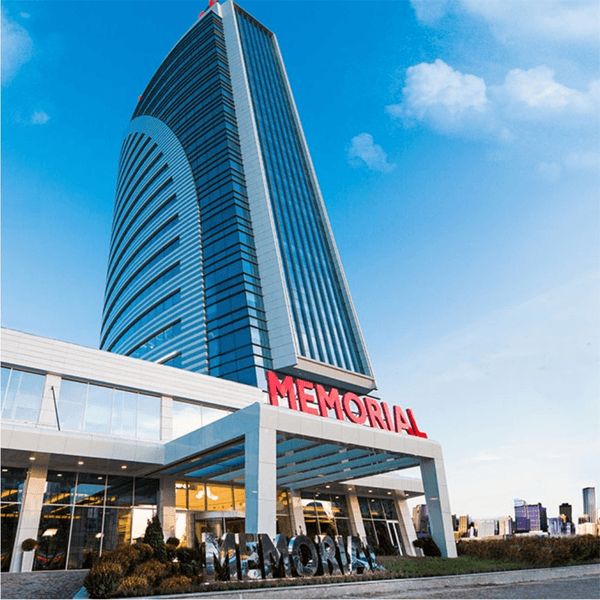
Check that the hospital is licensed by the Turkish Ministry of Health, ideally holds international accreditation, and has an intensive care unit on site. Ask how many sleeves the surgeon performs a year, and what happens if a complication occurs while you are still in Turkey — who treats it, where, at whose cost. Get that in writing.
How long will I be in Turkey? The standard package is 4 days / 3 nights. Some patients need longer, and the surgeon decides when it is safe to fly.
Is €2,800 the price I will pay? It is the starting price of the all-inclusive gastric sleeve package. Your final quote is confirmed after a surgeon reviews your details.
How painful is it? Small incisions mean a shorter recovery than open surgery, but there is discomfort in the first days, often including shoulder pain from the gas used during surgery.
What about loose skin? It is common after significant weight loss. Body-contouring surgery is separate from this package and usually discussed only once weight has been stable.
Can the sleeve be reversed? No — part of the stomach is removed permanently. It can sometimes be converted to a bypass, but that is revision surgery, not reversal.
Do I need to lose weight before surgery? Many teams ask for a short pre-operative diet to shrink the liver and make the operation safer. Whether it applies to you is decided at assessment.
What if I have a problem once I am home? Contact the clinic and MedAgent — we can liaise with the surgical team — but urgent care must be sought locally.
This page is general information, not medical advice. Suitability, the choice of procedure and every aspect of treatment and recovery are determined individually by a licensed doctor after examination.
Explore other treatments we help you arrange in Turkey.

Strabismus (crossed eyes) surgery in Turkey from €1,750 for one eye — realigns the eye muscles to correct misalignment.
Corneal transplant (keratoplasty) in Turkey from €11,000 for one eye — restores vision affected by corneal disease or scarring.