How pathology review works across borders — slides, blocks, timing and how often the diagnosis changes.
23.08.2026
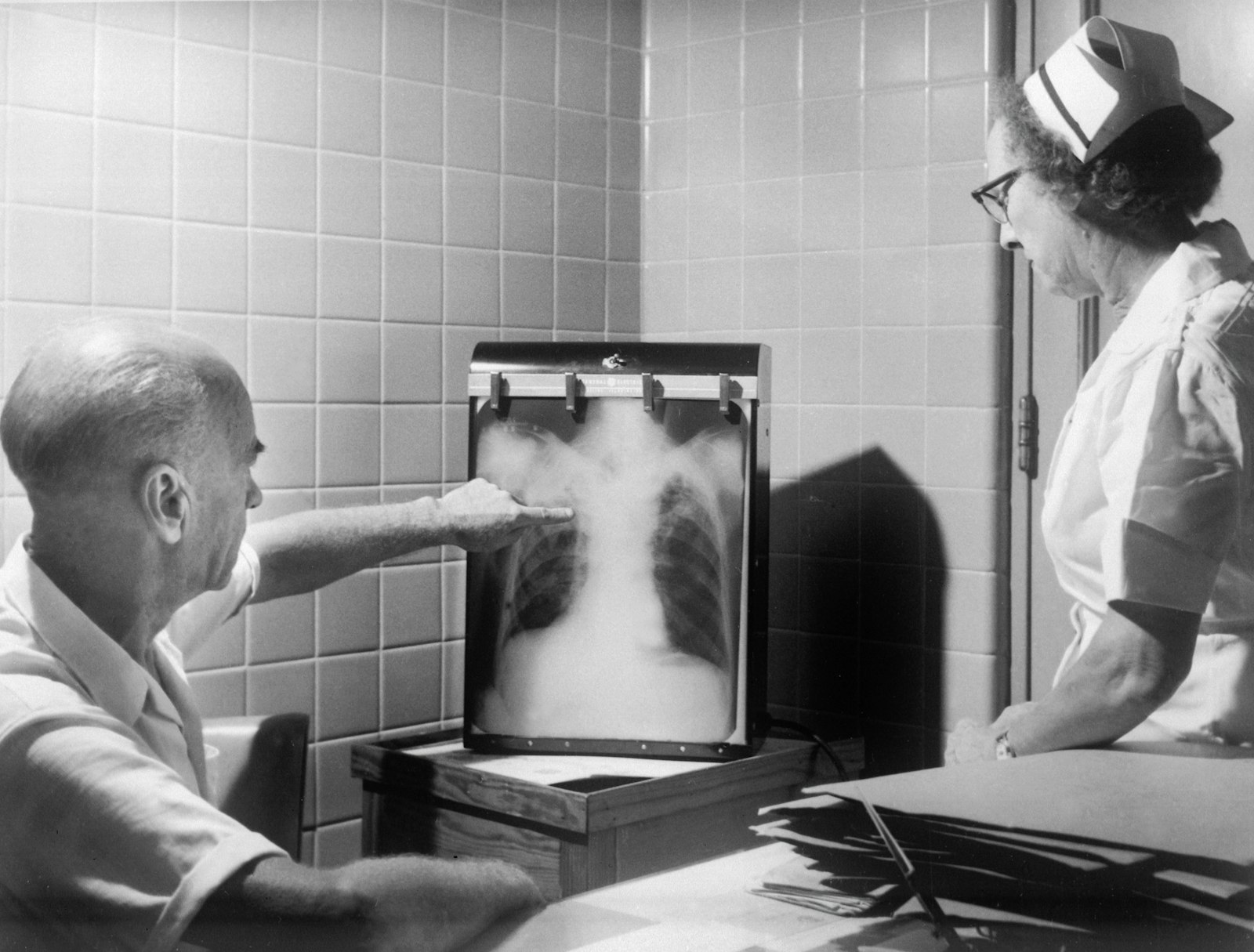
A cancer diagnosis is built on a pathologist looking at tissue under a microscope and making a judgement. Judgements can differ. Reviews of pathology material find meaningful discrepancies often enough that second opinion review is standard practice in cancer centres worldwide — not an insult to the first pathologist, but a normal safeguard on a decision that determines months of treatment. And unlike treatment, it can be done from where you are.
When a biopsy is taken, the tissue is preserved in a paraffin block. Thin sections are cut from that block, mounted on glass slides and stained for the pathologist to examine. The block is the source material; the slides are one reading of it.
This matters because a reviewing pathologist can cut fresh sections from a block and run additional stains — immunohistochemistry, molecular markers — that were never performed originally. From slides alone, they can only re-read what already exists. If your hospital will release the block, send the block.
The paraffin blocks, or the stained slides if blocks cannot be released. The original pathology report, because the reviewer needs to know what was concluded and on what basis. Imaging on disc in DICOM format rather than printed films. And a clinical summary: symptoms, dates, what treatment has already been given.
Send the full record rather than an edited version. Withholding the original conclusion to avoid biasing the reviewer sounds reasonable but is not how it works — pathologists need clinical context to interpret what they see.
Slides can be scanned at high resolution and transmitted electronically, and many reviews now start this way. It is fast and it avoids the risk of losing irreplaceable material in transit.
The limit is that a digital scan is still a picture of the existing slide. If the reviewer concludes that additional staining is needed — common in lymphoma, sarcoma and poorly differentiated tumours — the physical material has to follow. Treat a digital review as a fast first pass, not necessarily the end of the process.
A straightforward review typically returns within several working days once the material arrives. Cases requiring additional immunohistochemistry or molecular testing take longer, sometimes a couple of weeks.
Against the cost of the treatment that follows, pathology review is inexpensive — it is a specialist's time and laboratory work, not a hospital admission. It is the cheapest decision point in the entire cancer pathway and the one with the most leverage, because everything downstream depends on it being right.
Disagreement comes in degrees. Sometimes the tumour type is confirmed but the grade or subtype changes — which can still change the drug protocol substantially. Sometimes a marker is found that opens a targeted therapy not previously on the table. Occasionally the diagnosis itself changes.
A disagreement is not automatically resolved in favour of the second opinion. What it does is trigger a proper discussion between the two reports, and in difficult cases a third review. What you should not do is quietly switch to whichever answer you prefer.
Rare tumours, sarcomas, lymphomas and anything described as poorly differentiated or of uncertain origin — these are where reported discrepancy rates are highest. Also worth reviewing: any case where the proposed treatment is drastic and irreversible, where the clinical picture does not fit the reported diagnosis, or where the recommendation is that no treatment is available.
That last one deserves emphasis. If you have been told nothing more can be done, a review of the material is the reasonable next step before accepting it.
Do I need to travel for a second opinion?
Usually not. Pathology material and imaging can be sent, reviewed remotely, and reported back. Travel becomes relevant if the review changes the plan and you decide to treat abroad.
Will my hospital give me my blocks?
In most countries the material belongs to the patient or must be released on request, though procedures vary. Ask in writing and be persistent — refusals are usually administrative rather than legal.
What if the two opinions disagree?
The pathologists compare findings, and in unclear cases a third independent review is arranged. The point of the process is to reach a defensible diagnosis, not to pick a preferred answer.
Related reading
How Quickly Can Cancer Treatment Start in Turkey? A Realistic Timeline
How Much Does Cancer Treatment in Turkey Cost? A Breakdown by Stage
How to choose a clinic in Turkey
This page is general information, not medical advice. Interpretation of pathology material and any resulting treatment decisions are made by licensed physicians.
Send us what you already have — the pathology report, imaging on disc, discharge summaries. A specialist at a partner hospital will review it and tell you what is realistic in your case and how quickly treatment could begin. Reviewing your documents costs nothing and commits you to nothing.
Send your documentsUnhappy with a surgery result abroad? How to tell unfinished healing from a real problem, what a revision involves, who pays, and where to go next.
Silicone oil removal after vitrectomy: why the oil is used, how long it stays, how the second operation works and what vision does afterwards.
How children treatment in Turkey actually works: the accompanying parent, documents for a minor, school, language, paediatric specialties and what to send.