A realistic day-by-day guide to recovering after cataract surgery in Turkey, from the first blurry evening to the moment your new lens finally settles.
25.08.2026
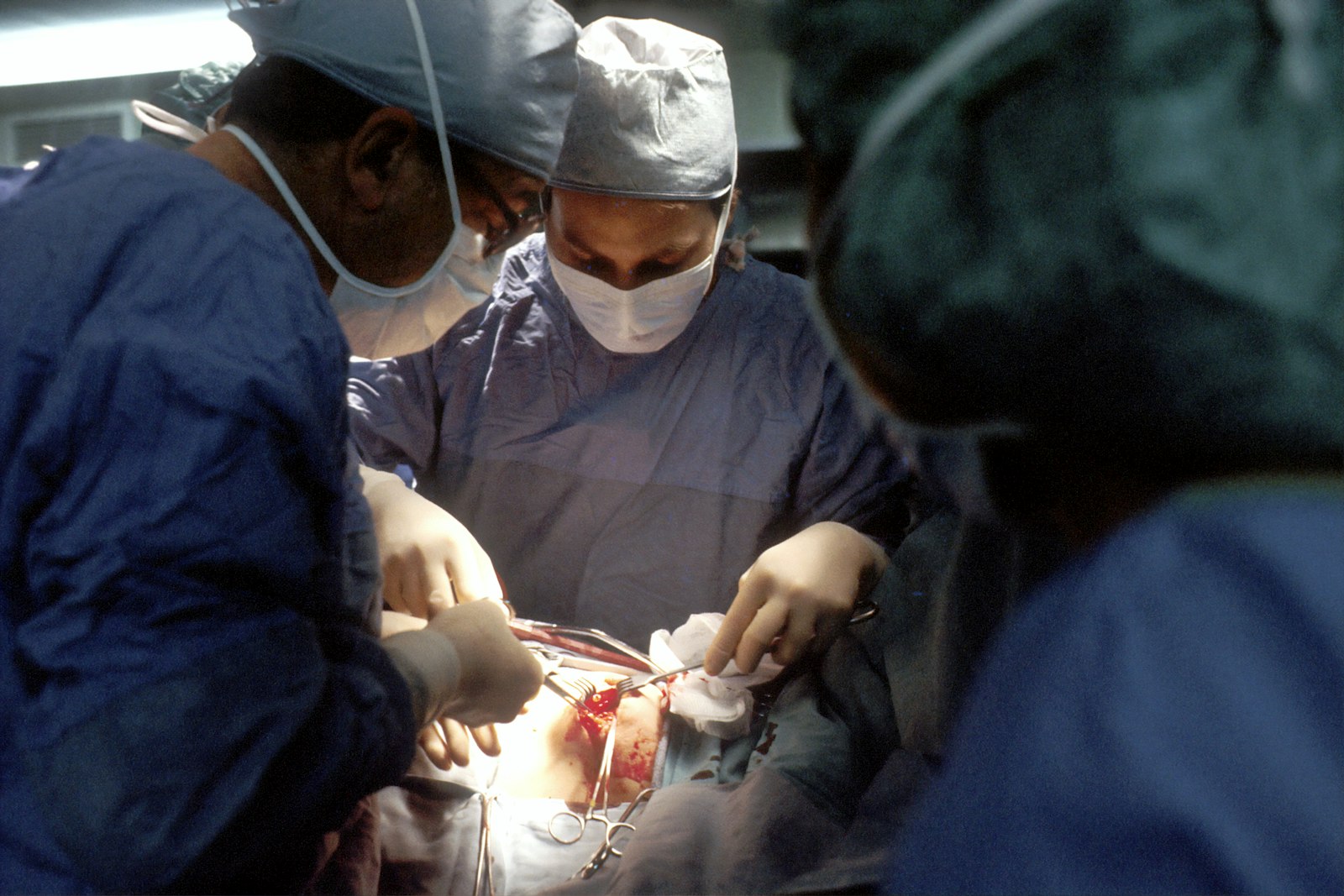
Cataract surgery is one of the most performed operations in ophthalmology, and at our partner hospitals in Turkey it is a day procedure: you arrive in the morning, the clouded natural lens is removed by phacoemulsification, an artificial intraocular lens takes its place, and you are back at your hotel by lunchtime with a shield taped over the eye. The price follows the lens rather than the operation — cataract surgery starts from €3,400 with a monofocal lens and reaches €5,500 for a premium multifocal-toric package with femtosecond assistance. What surprises most patients is not the surgery but the sequence afterwards — how quickly colours come back, how slowly the sharpness settles, and how different the two eyes feel until the second one is done. Here is what actually happens, from the recovery room to the moment your vision stops changing.
The eye is numbed with drops rather than a needle in most cases, so there is no pain during surgery and very little afterwards — expect grittiness, mild watering and light sensitivity instead. Vision through the operated eye is usually bright but foggy, as though someone smeared the lens of a camera; colours often look startlingly blue or vivid straight away, because you have been looking through a yellowed cataract for years without realising it. Keep the shield on, especially overnight, and do not rub. Antibiotic and anti-inflammatory drops start the same day and are the single most important part of your recovery — set alarms rather than trusting memory. Most patients rest, watch nothing demanding, and sleep well.
The next-day check confirms the lens is centred and the pressure inside the eye is normal — this appointment is the reason we ask you not to fly home immediately. By this point most people see well enough to read large print and move around confidently, though the eye still fluctuates through the day and may feel scratchy. If you are having both eyes done, the second is usually scheduled a few days after the first, which is convenient for patients travelling from abroad but does mean a strange in-between week where the two eyes disagree with each other. Drops continue on a tapering schedule for roughly four weeks. No swimming, no sea, no hammam, no eye make-up, and no heavy lifting or bending head-down during this week.
Vision now stabilises rather than dramatically improves. Dryness and a mild scratchy sensation are the most common complaints, and lubricating drops help more than people expect. If you received a multifocal or extended-depth-of-focus lens, this is the period of neuroadaptation: halos and starbursts around headlights at night are normal early on and typically soften considerably over the first few months as the brain learns to prioritise one focal point over another. Light activity resumes almost immediately; swimming pools, the sea and sauna usually wait until around four weeks. Sunglasses are not optional in Antalya — the new lens transmits far more light than your cataract did.
Most patients stay four to five nights for one eye — arrival and biometry, surgery day, the next-day check and a spare day — and around a week if both eyes are being treated on the same trip. Flying itself does not harm the eye and there is no pressure risk with a modern small-incision procedure, but cabin air is extremely dry, so carry preservative-free lubricating drops in your hand luggage and use them every hour. Keep your prescribed drops with you rather than in the hold, and bring sunglasses for the arrivals hall.
Useful vision arrives within a day or two; the refraction is usually considered stable at four to six weeks, which is when your new glasses prescription is written if you need one. What that final result looks like depends far more on the lens than on the surgery. A monofocal lens gives excellent sharpness at one distance and you will still need reading glasses. Multifocal and EDOF lenses reduce that dependence across a range of distances, at the cost of a higher chance of night-time glare for some patients. A toric version of either corrects astigmatism at the same time. Months or years later, a small number of patients notice vision clouding again — this is posterior capsule opacification, not the cataract returning, and it is cleared in a few painless minutes with a YAG laser.
Contact your coordinator or the clinic immediately if pain increases sharply instead of settling, if vision worsens after it had already become clear, if you see a sudden shower of new floaters or flashes of light, if a dark curtain or shadow appears in your peripheral vision, or if the eye becomes red with thick discharge and sticky lids. These complications are rare, but eyes do not tolerate delay — a phone call is always better than waiting for the next scheduled appointment. MedAgent stays reachable in your language after you return home, and can arrange a review with the operating surgeon if anything concerns you.
Can both eyes be done on the same trip?
Yes, usually a few days apart, which is standard practice for patients travelling from abroad and avoids a second flight.
When can I drive again?
Many patients meet the legal standard within a few days, but wait until your surgeon confirms it at the post-operative check and until night-time glare is comfortable for you.
Will I definitely stop needing glasses?
Only if the lens you choose is designed for that. Monofocal lenses leave you needing reading glasses; premium lenses reduce dependence but cannot guarantee freedom from them, which is why the lens consultation matters more than any price comparison.
What does cataract surgery cost in Turkey?
At our partner hospitals it starts from €3,400 with a monofocal lens and rises to around €5,500 for a premium multifocal-toric lens with femtosecond assistance. Full package details are here.
This page is general information, not medical advice. Suitability, technique and results are determined individually by a licensed doctor.
Send us what you already have — the pathology report, imaging on disc, discharge summaries. A specialist at a partner hospital will review it and tell you what is realistic in your case and how quickly treatment could begin. Reviewing your documents costs nothing and commits you to nothing.
Send your documentsUnhappy with a surgery result abroad? How to tell unfinished healing from a real problem, what a revision involves, who pays, and where to go next.
Silicone oil removal after vitrectomy: why the oil is used, how long it stays, how the second operation works and what vision does afterwards.
How children treatment in Turkey actually works: the accompanying parent, documents for a minor, school, language, paediatric specialties and what to send.