A realistic week-by-week recovery timeline after a hair transplant in Turkey, from the first 48 hours to final results at 12 months.
10.08.2026
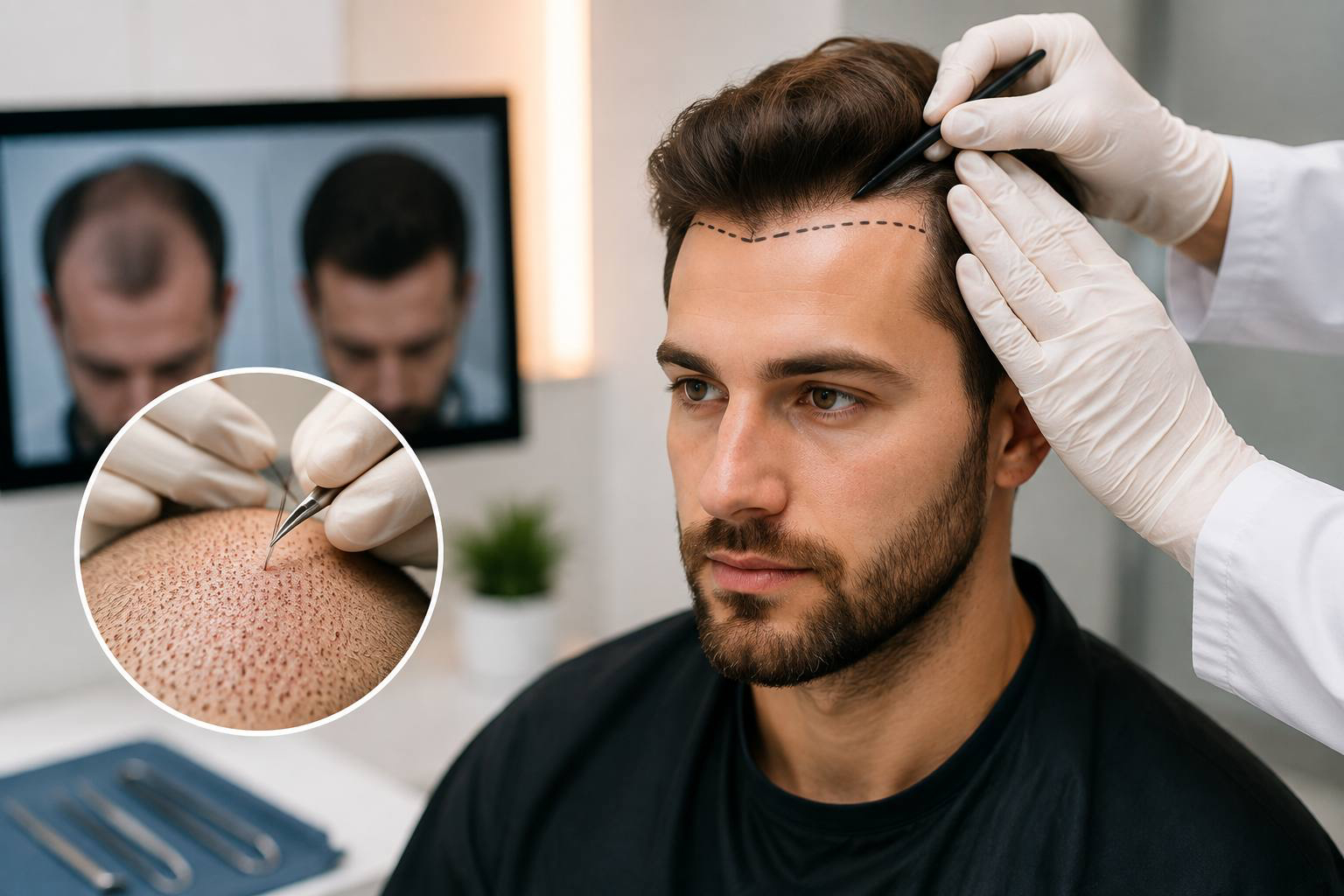
A hair transplant in Turkey is usually a single-day procedure, but the recovery that follows is where most patients have questions. The all-inclusive packages at our partner clinics, which start from €2,000 and cover the follow-up care, are built around this timeline rather than around the surgery day alone. Knowing what's normal at each stage makes it far easier to relax into the process instead of worrying about every scab or shed hair. Here is a realistic week-by-week picture of what to expect after FUE or DHI.
Right after the procedure, your scalp will be swollen, tender, and covered with tiny scabs around each graft. You'll be sent home with a specific aftercare kit and instructions on how to sleep (usually elevated, on your back) to reduce swelling. Mild discomfort is normal and controlled with the medication your clinic prescribes; sharp pain is not, and should be reported.
Swelling typically peaks around day 2-3 and can briefly move down toward the forehead before settling. Most clinics schedule a guided washing session a few days after the procedure, since the technique used to clean the grafts in these early days matters more than at any later stage. By the end of the first week, the visible scabs usually begin flaking off on their own; picking at them is one of the most common causes of graft damage.
Most patients stay in Turkey for 2-3 nights, long enough for the first wash and a check that the grafts are settling correctly before flying. Your clinic will give you specific instructions for the flight itself, such as avoiding pressure on the back of the head and wearing a loose hat only once it is safe to cover the area.
Around two to four weeks after the procedure, most transplanted hairs shed. This surprises a lot of patients, but it is a normal, expected phase called "shock loss": the hair falls out so the follicle can reset and begin producing new growth. Scalp redness usually fades during this period, and by week four most patients feel comfortable returning to normal routines without anyone noticing they had a procedure.
New hair usually starts growing back around month three, but the process is gradual. Most patients see visible thickening between months six and nine, with final results typically judged around the twelve-month mark, once the new hair has grown in fully and taken on its natural texture. It is common for progress to feel slow in the middle months even when everything is on track.
Mild swelling, itching, and scattered scabbing are all part of normal healing. Signs that warrant contacting your clinic promptly include spreading redness, pus or unusual discharge, fever, or pain that gets worse instead of better after the first few days. Reputable clinics stay reachable by message or video call well beyond your flight home, and it's worth confirming this before you book.
Is it normal for transplanted hair to fall out?
Yes. Shedding two to four weeks after the procedure is expected and is part of the follicle resetting before new growth begins.
How long until I can go back to work?
Most patients return to non-physical work within a week, once visible scabbing has mostly resolved. Physical activity and gym sessions are usually restricted for two to four weeks — your clinic will confirm the exact timing.
When will I know if the transplant worked?
Meaningful growth usually shows between months six and nine, with final results assessed around twelve months after the procedure.
Is the aftercare included in the price, or billed separately?
At our partner clinics it is included: the all-inclusive hair transplant packages from €2,000 cover the medication kit, the first supervised wash and remote follow-up once you are back home. How that total compares with a clinic at home is set out in our Turkey vs USA vs UK price comparison.
Ready to book your treatment? See pricing and details on our Hair Transplant page.
This page is general information, not medical advice. Suitability, technique and results are determined individually by a licensed doctor.
Send us what you already have — the pathology report, imaging on disc, discharge summaries. A specialist at a partner hospital will review it and tell you what is realistic in your case and how quickly treatment could begin. Reviewing your documents costs nothing and commits you to nothing.
Send your documentsUnhappy with a surgery result abroad? How to tell unfinished healing from a real problem, what a revision involves, who pays, and where to go next.
Silicone oil removal after vitrectomy: why the oil is used, how long it stays, how the second operation works and what vision does afterwards.
How children treatment in Turkey actually works: the accompanying parent, documents for a minor, school, language, paediatric specialties and what to send.