A realistic week-by-week guide to hip replacement recovery in Turkey, from your first steps in hospital to returning to full activity.
19.08.2026
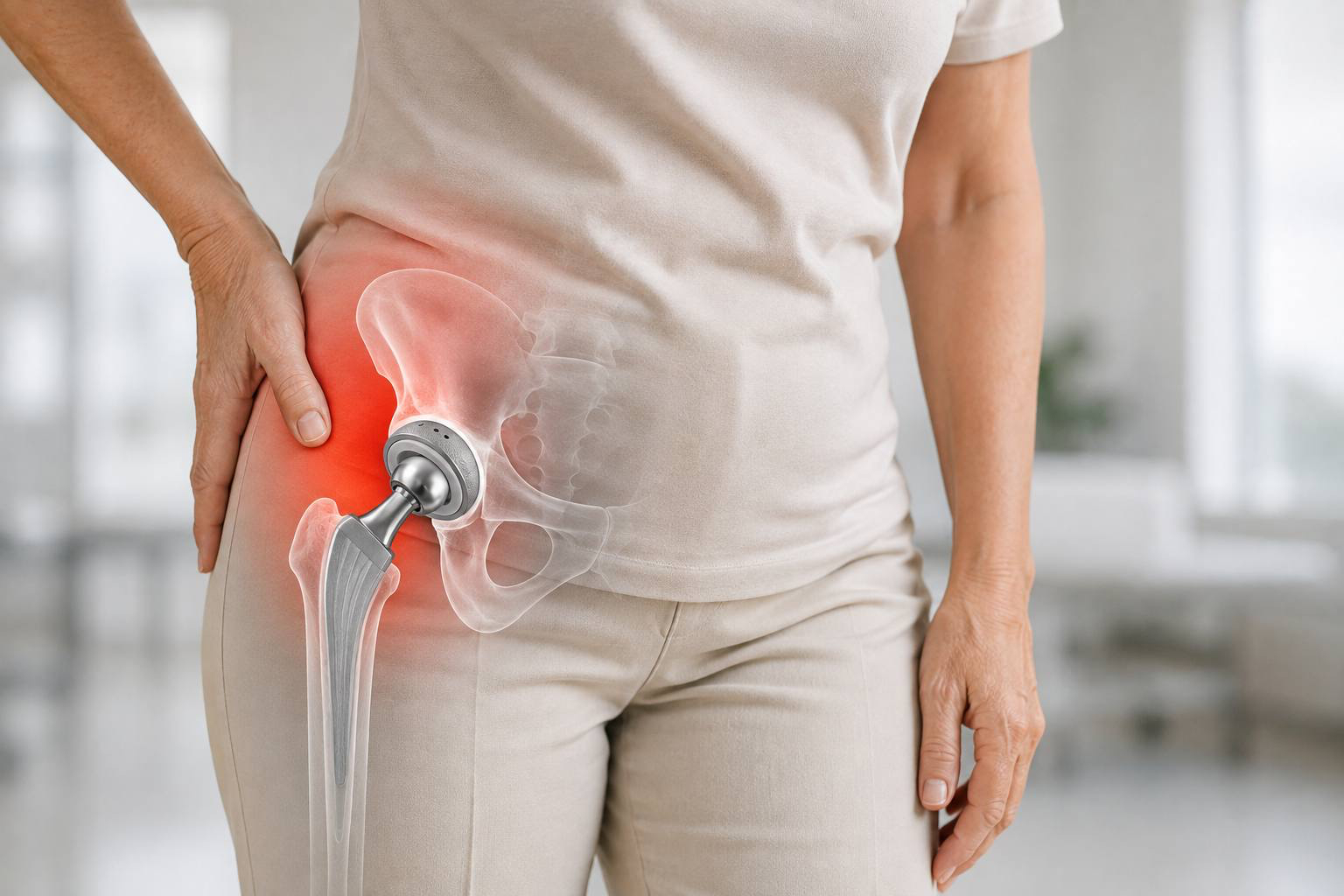
Hip replacement has one of the fastest early recoveries in orthopedic surgery. Within a day of the operation, most patients are helped upright and take their first supported steps. What surprises people is the shape of the months that follow: the pain that brought you to surgery usually disappears quickly, while strength, stability and confidence come back gradually over several months of physiotherapy. Turkey is where a lot of that surgery now happens, with total hip arthroplasty from $13,000 in either cementless or robotic form. Here is what the timeline realistically looks like when you have a total hip arthroplasty in Turkey.
You wake up with the new joint already in place and, in most cases, with the arthritic pain you arrived with gone. A physiotherapist visits within the first day and helps you stand and take a few steps with a walking frame or crutches. Pain from the surgical wound itself is managed with medication and is usually described as manageable rather than severe. The nursing team will focus on circulation and blood-clot prevention, so expect blood thinners, compression stockings and encouragement to move your ankles and feet frequently even while lying down.
Most patients are discharged from hospital within three to five days and move to their hotel, where MedAgent's coordinator and transfers keep everything close and simple. In this week you practise the things that make daily life possible again: walking short distances with crutches, getting in and out of bed and a chair, and using stairs one step at a time. You will also learn the hip precautions your surgeon specifies — typically avoiding bending the hip past ninety degrees, crossing your legs, or twisting on the operated side. Swelling in the thigh and leg is normal and often peaks around this point.
Stitches or clips are removed and the wound is checked at around ten to fourteen days. From here recovery is driven almost entirely by physiotherapy. Sessions focus on hip strength, walking pattern and range of motion, and most patients progress from two crutches to one, and often to none, somewhere between the second and sixth week. Fatigue is common and normal in this period — the body is still healing internally even though the incision looks fine from the outside.
Plan on staying in Turkey around ten to fourteen nights in total, which covers the hospital stay, initial rehabilitation and your follow-up appointment with the surgeon. Flying earlier than your surgeon advises is not worth the risk, mainly because of blood clots. For the flight home, ask for an aisle seat, get up and walk every hour or so, keep wearing your compression stockings, and stay well hydrated. MedAgent arranges your transfers and, where useful, extra legroom or assistance at the airport.
By six to eight weeks most patients walk unaided, drive again (with the surgeon's clearance) and return to office work. Swimming, cycling and long walks are usually reintroduced around the three-month mark. Full recovery — meaning stable strength, a normal gait and no thinking about the hip during ordinary activity — typically takes three to six months, and some patients notice small gains for up to a year. High-impact sports such as running, skiing or contact sport are a decision to make with your surgeon, as they affect implant longevity. Continuing physiotherapy after you return home is the single biggest factor in how good the final result feels.
Contact a doctor promptly if you have calf pain, swelling or redness in either leg, sudden shortness of breath or chest pain, a fever above 38°C, increasing rather than decreasing wound pain, or discharge from the incision. A sudden inability to bear weight, a leg that looks shorter or rotated, or a loud clunk followed by severe pain can indicate a dislocation and needs urgent assessment. MedAgent stays in contact after you fly home and can connect you back to your surgeon in Turkey if anything is unclear.
How soon can I walk after hip replacement?
Usually within twenty-four hours of surgery, with a frame or crutches and a physiotherapist alongside you.
How long do I need to stay in Turkey?
Typically ten to fourteen nights, covering the hospital stay, initial rehabilitation and your post-operative check-up.
Will I need physiotherapy after I get home?
Yes. Most patients continue guided exercises for at least six to twelve weeks after returning, and this is what determines the quality of the final result.
What does hip replacement cost in Turkey?
At our partner hospitals it starts from $13,000 for a cementless or robotic total hip arthroplasty. Full package details are here.
This page is general information, not medical advice. Suitability, technique and results are determined individually by a licensed surgeon.
Send us what you already have — the pathology report, imaging on disc, discharge summaries. A specialist at a partner hospital will review it and tell you what is realistic in your case and how quickly treatment could begin. Reviewing your documents costs nothing and commits you to nothing.
Send your documentsUnhappy with a surgery result abroad? How to tell unfinished healing from a real problem, what a revision involves, who pays, and where to go next.
Silicone oil removal after vitrectomy: why the oil is used, how long it stays, how the second operation works and what vision does afterwards.
How children treatment in Turkey actually works: the accompanying parent, documents for a minor, school, language, paediatric specialties and what to send.