A week-by-week guide to recovering after ICL implantable contact lens surgery in Turkey, from the next-morning check to full visual stability.
27.08.2026

ICL surgery is unusual among vision procedures: the visual improvement is close to immediate, because nothing has been cut away or reshaped. A thin lens is folded, inserted behind the iris through a small self-sealing incision, and unfolds into position. That means recovery is less about waiting for tissue to regrow and more about protecting the eye while it adjusts to pressure, light and a new lens sitting inside it. At our partner ophthalmology hospitals in Turkey, ICL starts from €4,700 for myopia and rises to €7,500 for a toric lens correcting hyperopia, with the crucial day-one pressure check included. Here is what the timeline realistically looks like when you have both eyes done in Turkey.
The procedure itself takes roughly 15 to 20 minutes per eye and is done under drops with mild sedation, so you walk out the same day. Vision is usually functional within a few hours, but expect it to be hazy or milky, with strong glare and halos around lights. Your eyes will water and feel gritty, as if something is in them. This is normal. You will be given anti-inflammatory and antibiotic drops with a strict schedule, plus a protective shield to wear while sleeping so you do not rub your eye in the night.
The day-one appointment is the single most important one in an ICL recovery, which is why it is built into the standard Turkey itinerary. The surgeon measures your eye pressure and checks the vault — the gap between the implanted lens and your natural lens. Because ICL sizing is calculated from anterior chamber imaging before surgery, this check confirms the lens is sitting where it was planned to sit. Most patients are reading several lines down the chart by this appointment. If pressure is slightly raised, it is usually managed with drops rather than anything more dramatic.
Haze and light sensitivity fade noticeably over the first week. Halos at night are still common and often the last symptom to settle. During this week: no rubbing your eyes, no swimming or hot tubs, no saunas or hammams, no eye makeup, and keep shampoo and seawater out of your eyes in the shower. Sunglasses outdoors are genuinely useful, not just cosmetic, in Antalya sunshine. Light desk work and screens are fine, though your eyes will tire faster than usual. Keep the drop schedule exactly as prescribed — skipping doses is the most common avoidable cause of complications.
Most patients are cleared to fly after the next-morning check, which is why ICL trips to Turkey are typically short. Some surgeons prefer a second check at around day three or four, particularly if pressure was borderline on day one, so plan for a stay of two to four nights rather than booking a same-day return. Cabin air is dry, so bring preservative-free lubricating drops for the flight and use them liberally. Flying itself does not harm the implanted lens.
By the second week most people are back to normal daily life, including driving once the surgeon confirms your vision meets the legal standard. Gentle exercise usually resumes at around one to two weeks; swimming, contact sports and anything that risks a knock to the eye typically waits until four weeks. Vision continues to sharpen and stabilise through this period, and night halos generally reduce substantially by the end of the first month. You should have a follow-up with a local ophthalmologist at around one month, and MedAgent can send your operative report and lens details ahead so that appointment is straightforward.
Contact your clinic or a local eye doctor the same day if you experience worsening rather than improving pain, a sudden drop in vision, a persistent deep ache in or around the eye, increasing redness with discharge, or a sudden shower of new floaters or flashing lights. Raised eye pressure and infection are both uncommon but both are time-sensitive, and neither improves by waiting to see how it goes overnight.
Can I have both eyes done on the same trip?
Yes — both eyes are usually implanted in one visit, often on the same day or a day apart, which is why the standard package quotes both eyes together.
How long until I can wear eye makeup again?
Generally around two weeks, and use fresh products rather than opened mascara or liner that may carry bacteria.
Will I still need glasses afterwards?
ICL corrects the prescription it was sized for, but it does not stop age-related reading changes, so most patients over about 45 will still need reading glasses in time.
What does ICL surgery cost in Turkey?
At our partner hospitals it starts from €4,700 for myopia and reaches around €7,500 for a toric lens correcting hyperopia, with the lens type and power driving the difference. Full package details are here.
This page is general information, not medical advice. Suitability, technique and results are determined individually by a licensed doctor.
Send us what you already have — the pathology report, imaging on disc, discharge summaries. A specialist at a partner hospital will review it and tell you what is realistic in your case and how quickly treatment could begin. Reviewing your documents costs nothing and commits you to nothing.
Send your documents
A practical guide to the liquid, puree and soft-food stages after a gastric sleeve, plus the lifelong supplements and habits that protect your results.

Unhappy with a surgery result abroad? How to tell unfinished healing from a real problem, what a revision involves, who pays, and where to go next.
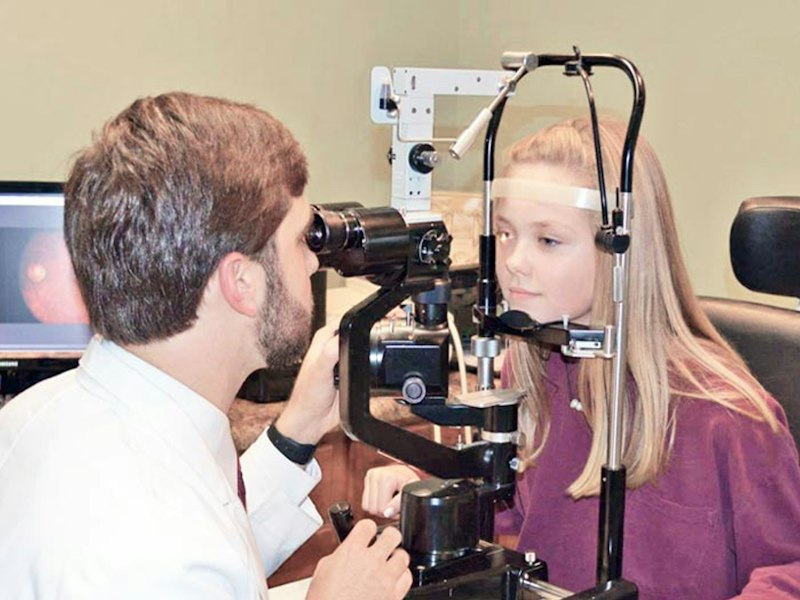
Silicone oil removal after vitrectomy: why the oil is used, how long it stays, how the second operation works and what vision does afterwards.