A realistic month-by-month look at knee replacement recovery in Turkey, from your first steps in hospital to returning to normal activity.
20.08.2026
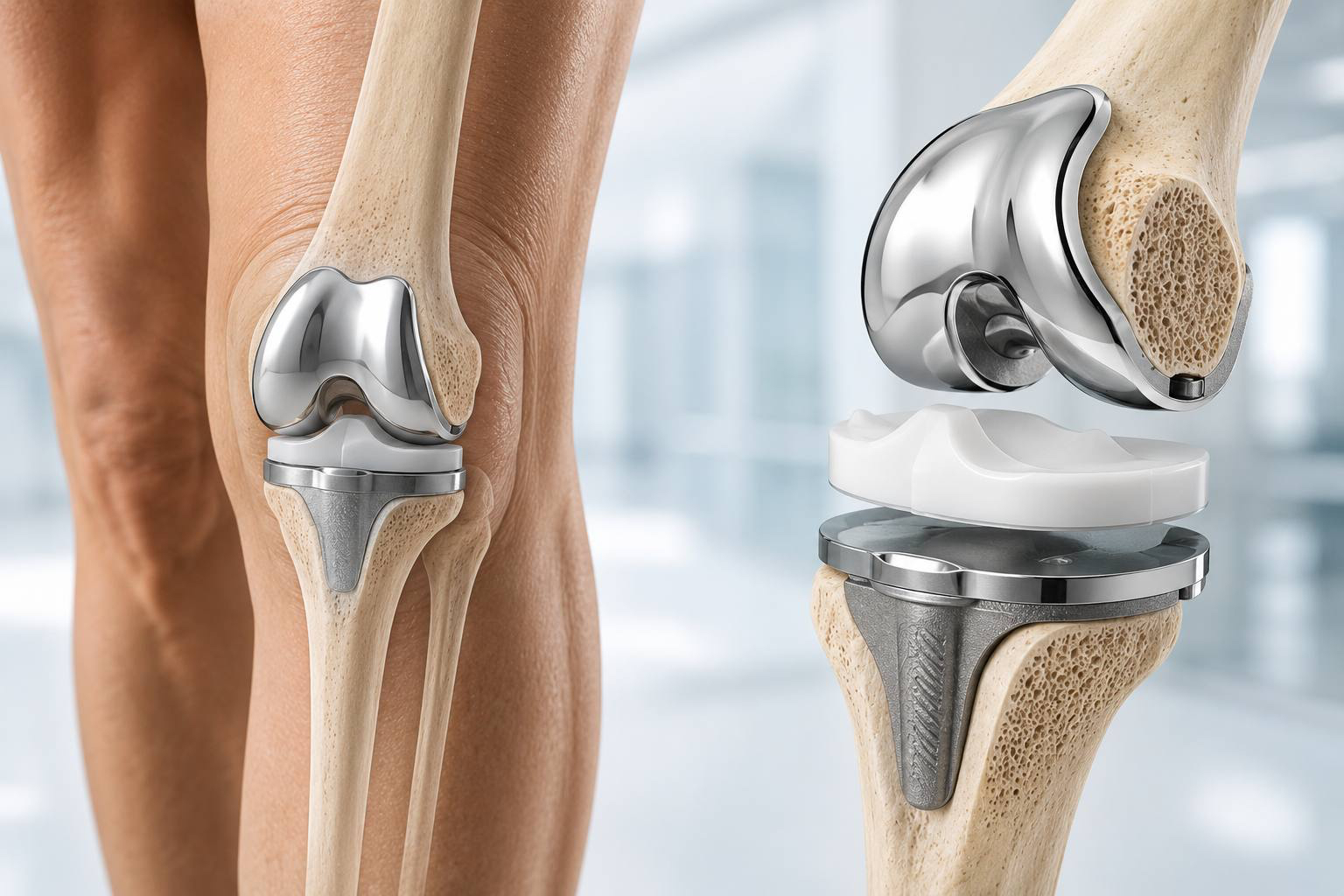
A knee replacement gives you a working joint almost immediately. What it does not give you is an instantly working leg. The muscles around the knee have usually been weak for years, and rebuilding them is what determines your final result. Cost is one reason so many people have the operation here rather than wait at home — knee arthroplasty from $10,000 covers single or double, standard or robotic. Below is what recovery actually looks like after knee arthroplasty in Turkey — including the part of it that happens after you fly home.
Surgery usually takes 1–2 hours per knee under spinal or general anaesthesia. Expect a drain, a dressing and noticeable swelling. Physiotherapy starts fast: in most Turkish orthopedic units you will be helped upright and take your first supported steps with a walker within the first day, sometimes the same evening. Pain is managed with a planned medication schedule rather than on request, and ice and elevation are used almost constantly.
You are typically discharged from hospital after 3–5 days and move to your hotel, where you keep walking daily with a walker or crutches. The two goals in this week are simple and non-negotiable: straighten the knee fully, and bend it further each day. Blood-thinning medication is standard to reduce clot risk, and you will be shown ankle-pumping and quad-setting exercises to do hourly while resting.
Most patients stay 10–14 nights in total, which covers initial rehabilitation and follow-up. Stitches or clips are checked and removed around day 10–14, and your surgeon reviews range of motion before clearing you to travel. By the end of this period many patients are walking with a single crutch indoors and can manage stairs one step at a time. Swelling is still very much present — that is normal and will continue for weeks.
Clearance to fly usually comes at the follow-up appointment, once the wound is dry and clot risk is assessed. On the flight, book an aisle seat, wear compression stockings, and get up to walk every hour. At home, continue the physiotherapy programme your surgeon set — this is the single biggest factor in your outcome. Most people transition from crutches to walking unaided somewhere between weeks 4 and 6.
By month two, daily walking, driving (typically 4–6 weeks, right knee later than left) and desk work are usually possible. Between months three and six, strength and confidence build steadily, and the knee stops being something you think about constantly. Swelling that comes and goes after activity is normal well into month six. Cycling and swimming are excellent; running and high-impact sport are generally discouraged for life to protect the implant.
Contact a doctor promptly for calf pain or swelling, sudden shortness of breath, fever above 38°C, wound redness, warmth or discharge, or pain that suddenly worsens rather than gradually improving. These are uncommon, but early treatment matters. MedAgent stays in contact after you return home and can put you back in touch with your surgeon quickly if something concerns you.
How long until I walk normally again?
Most patients walk unaided by weeks 4–6, though a mild limp can persist longer while strength returns.
Can both knees be replaced during one trip?
Yes, for suitable patients. Double knee replacement means a slower start but a single recovery period instead of two — your surgeon assesses this individually.
Does the physiotherapy really matter that much?
Yes. The surgery replaces the joint surfaces; physiotherapy restores the movement and strength around them. Patients who skip it are the ones who end up with a stiff knee.
What does knee replacement cost in Turkey?
At our partner hospitals it starts from $10,000 for a single or double, standard or robotic knee arthroplasty. Full package details are here.
This page is general information, not medical advice. Suitability, technique and results are determined individually by a licensed surgeon.
Send us what you already have — the pathology report, imaging on disc, discharge summaries. A specialist at a partner hospital will review it and tell you what is realistic in your case and how quickly treatment could begin. Reviewing your documents costs nothing and commits you to nothing.
Send your documentsUnhappy with a surgery result abroad? How to tell unfinished healing from a real problem, what a revision involves, who pays, and where to go next.
Silicone oil removal after vitrectomy: why the oil is used, how long it stays, how the second operation works and what vision does afterwards.
How children treatment in Turkey actually works: the accompanying parent, documents for a minor, school, language, paediatric specialties and what to send.