Autologous, allogeneic and haploidentical transplants explained — donors, isolation, and cost.
23.08.2026
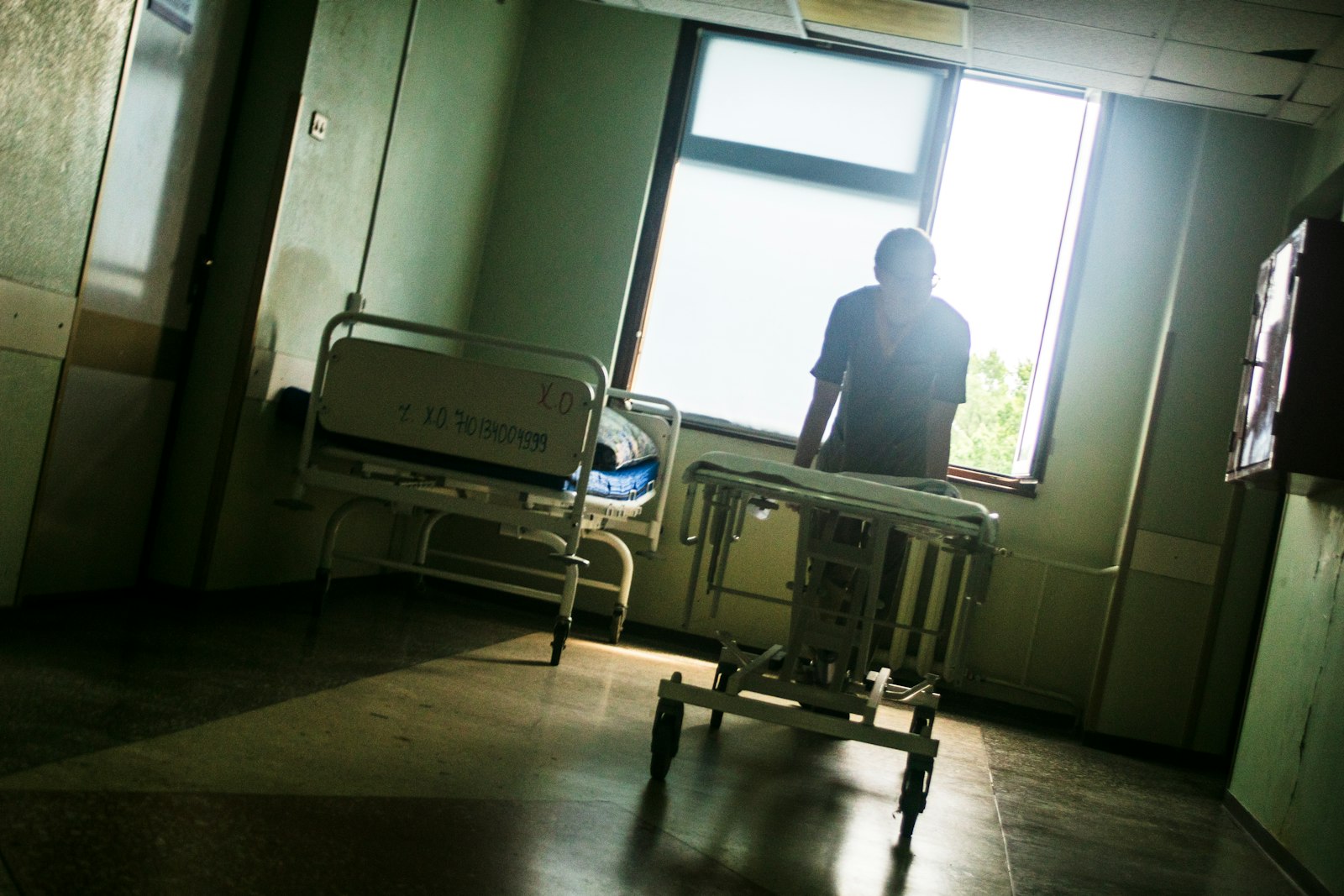
Patients often arrive at this subject expecting something like surgery: a date, a procedure, a recovery. What actually happens is closer to a controlled rebuild of your immune system, carried out over weeks in a protected environment. Turkey performs a high volume of these procedures, including for international patients, and turnaround from first contact to admission is measured in weeks rather than the months many patients face at home.
Autologous uses your own stem cells, collected and frozen before high-dose chemotherapy, then returned afterwards. There is no donor and no graft-versus-host disease. It is standard in multiple myeloma and some lymphomas.
Allogeneic uses cells from a matched donor — a sibling, or an unrelated donor found through an international registry. This is what most leukaemia patients need, because the donor immune system itself attacks residual disease. Haploidentical uses a half-matched family donor: a parent, a child, sometimes a sibling who is not a full match. This matters enormously, because it means almost every patient has a potential donor.
Siblings are typed first: any full sibling has roughly a one-in-four chance of being a full match. If there is no sibling match, the search moves to international registries, which takes weeks to months and adds a substantial procurement cost. If no unrelated donor is found, the haploidentical route using a parent or child becomes the option.
Donor typing itself is a blood test. If you have siblings, having them typed early — before you have decided anything about where to treat — removes weeks from the timeline later.
Workup and evaluation take one to two weeks: organ function tests, infection screening, dental clearance, donor assessment. Conditioning — the high-dose chemotherapy that clears the marrow — takes roughly a week. The transplant itself is an infusion through a central line and takes hours, not surgery.
Then comes the part patients underestimate. Engraftment takes two to four weeks, spent in a protected isolation room with a filtered air supply. After discharge, patients typically remain near the hospital for a further one to three months for frequent monitoring. Plan for three months in Turkey in total, and understand that this is a minimum, not an average.
Published figures put allogeneic transplant in Turkey at roughly 100,000–120,000 $ and upward. Autologous transplants sit meaningfully below that. Paediatric transplants run around one and a half to two times the adult cost, because supportive care, drug protocols and length of monitoring are all more demanding in children.
Unrelated donor procurement from an international registry is a separate and significant cost. Complications — severe graft-versus-host disease, serious infection, extended intensive care — sit outside any quoted figure by their nature. Ask the centre what its policy is if the stay extends beyond plan, and get the answer in writing.
Published survival figures for paediatric transplant cluster around 88–95% depending on transplant type, but these numbers deserve careful reading. Survival depends overwhelmingly on the underlying disease, whether it is in remission at the time of transplant, the patient's age and general condition, and the degree of donor match. A centre quoting you a headline percentage without asking about your specific disease status is quoting a statistic, not a prognosis.
Graft-versus-host disease is the central risk of allogeneic transplant. It can be acute or chronic, mild or life-threatening, and managing it is much of what the post-transplant monitoring period is for.
A companion is not optional. During isolation you will need someone managing accommodation, food, communication with the medical team and the administrative load, at a time when you are neutropenic and exhausted. For a paediatric transplant, plan on both parents where possible.
If a family donor is involved, that person also needs to travel, undergo their own workup, and stay for the collection. Build them into the plan and the budget from the start.
My relative was told there is no matching donor. Is that final?
Not necessarily. Haploidentical transplantation from a half-matched family member has made transplant possible for many patients previously told no donor existed.
How long before I can go home?
Plan on three months in Turkey as a minimum: roughly a month of workup, conditioning and engraftment in hospital, then one to three months of close monitoring nearby.
What do you need to assess my case?
The full haematology history, current disease and remission status, bone marrow biopsy results, HLA typing if done, and details of all treatment received so far.
Related reading
Lymphoma and Leukaemia in Adults: What Comes After a Relapse
CAR-T Cell Therapy: Who It Is For, What It Costs and Where It Is Available
Getting a Second Opinion on a Cancer Diagnosis from Another Country
This page is general information, not medical advice. Suitability for transplantation, the choice of transplant type and expected outcomes are determined individually by a licensed haematologist.
Send us what you already have — the pathology report, imaging on disc, discharge summaries. A specialist at a partner hospital will review it and tell you what is realistic in your case and how quickly treatment could begin. Reviewing your documents costs nothing and commits you to nothing.
Send your documentsUnhappy with a surgery result abroad? How to tell unfinished healing from a real problem, what a revision involves, who pays, and where to go next.
Silicone oil removal after vitrectomy: why the oil is used, how long it stays, how the second operation works and what vision does afterwards.
How children treatment in Turkey actually works: the accompanying parent, documents for a minor, school, language, paediatric specialties and what to send.