Dry eye is the most common side effect after LASIK, SMILE and PRK — here is why it happens, how long it realistically lasts, and what actually helps during healing.
10.09.2026
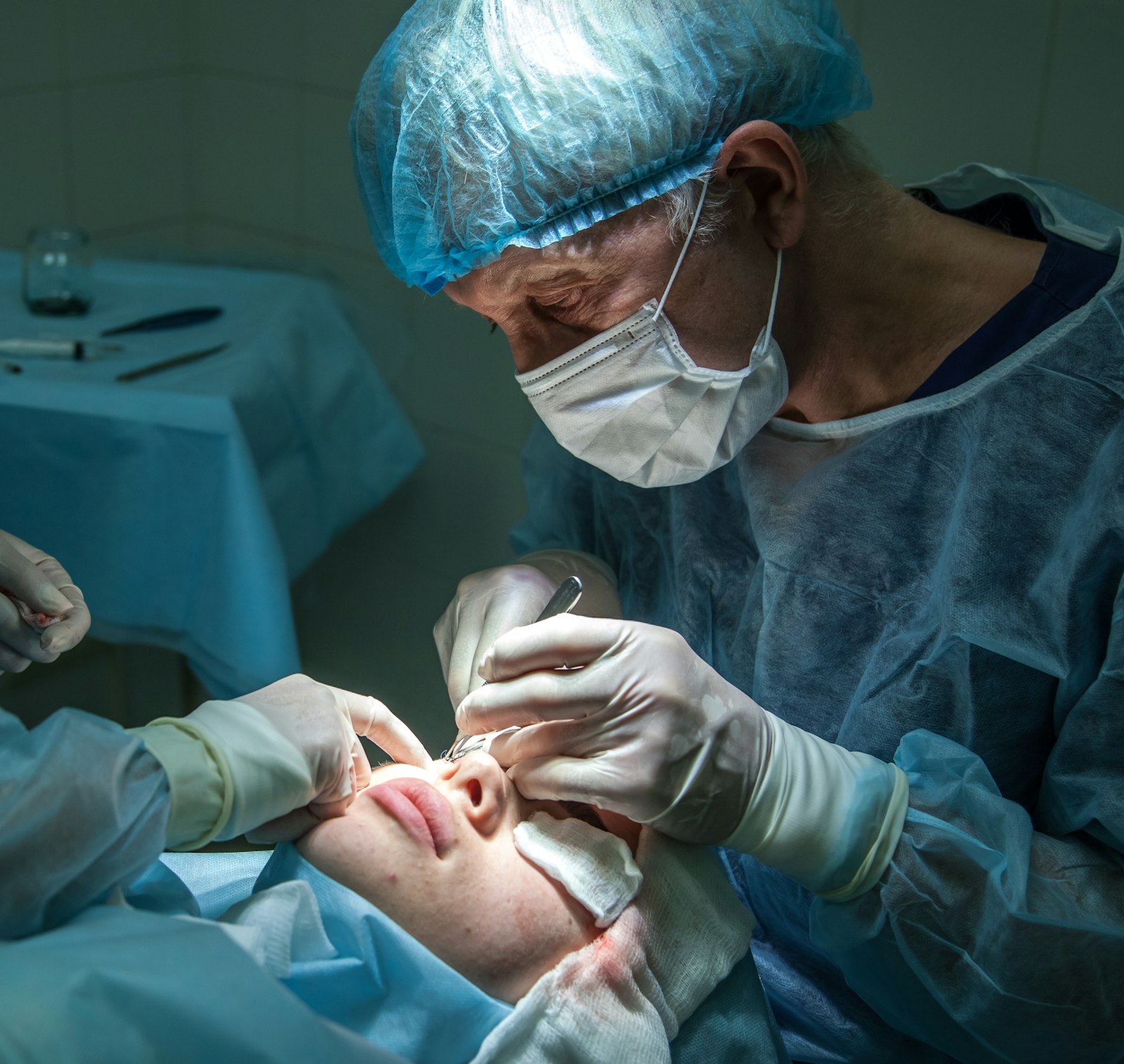
If there is one side effect that surprises patients after LASIK, SMILE or PRK, it is dryness. Your vision can be sharp within a day, and yet your eyes feel gritty, tired and vaguely scratchy for weeks afterwards. This is not a sign that something went wrong. It is a predictable, well-documented part of corneal healing, and in the overwhelming majority of patients it resolves. Here is what is actually happening, how long it usually takes, and what makes a real difference while you wait.
Your cornea is one of the most densely innervated tissues in the body, and those nerves do more than sense touch — they signal your tear glands to produce tears. Reshaping the cornea inevitably divides some of those nerve endings, so for a period the feedback loop between eye surface and tear production is quieter than normal. Your eye produces fewer tears precisely when it needs more, and the tear film itself becomes less stable. The effect is greatest with LASIK, where a corneal flap is created, somewhat less with SMILE, which uses a much smaller incision, and different again with PRK, where the surface layer regenerates over several days. Contact lens wearers who already had borderline dry eye before surgery tend to notice it most.
Dryness is usually at its most noticeable in the first seven days. Expect a gritty or sandy sensation, mild burning, light sensitivity, occasional watering — which is your eye over-correcting — and vision that fluctuates through the day, often blurring slightly when you have been reading or looking at a screen. Preservative-free artificial tears are the backbone of treatment here, and the mistake most patients make is under-using them. Clinics commonly recommend drops every one to two hours while awake for the first weeks, not just when the eye feels dry. Use the antibiotic and anti-inflammatory drops exactly as prescribed, do not rub your eyes under any circumstances, and wear the protective shields at night if you were given them.
Through the first month or two the corneal nerves begin regenerating and tear production gradually recovers. Improvement is real but rarely linear — patients often describe a good week followed by a scratchy one, particularly after long flights, air conditioning, or a heavy day at a computer. Keep the drops going even as symptoms fade, since stopping early is the most common reason dryness lingers. Practical measures matter more than people expect: humidify dry rooms, avoid direct air from car vents and air conditioning, take deliberate screen breaks because blink rate drops sharply when you concentrate, and stay well hydrated. Antalya's summer combination of air conditioning indoors and dry heat outdoors is worth planning around if you are recovering here.
For most patients dryness has substantially settled by three months and is gone or negligible by six, as nerve density returns toward baseline. A minority — typically those with pre-existing dry eye, meibomian gland dysfunction, autoimmune conditions or hormonal factors — take longer and may need ongoing management rather than a simple wait. That management is routine ophthalmology, not a complication: prolonged preservative-free lubricants, warm compresses and lid hygiene for the oil layer of the tear film, omega-3 supplementation in some protocols, and prescription anti-inflammatory drops or punctal plugs, which are tiny inserts that slow tear drainage, where a specialist judges them appropriate.
The single most useful step happens before you ever reach the laser. A proper pre-operative assessment should evaluate your tear film, not only your prescription and corneal thickness, and treating existing dryness or blepharitis beforehand meaningfully improves how the first months feel. Stop soft contact lenses roughly a week before your measurements and rigid lenses considerably longer, since lenses distort corneal shape and skew the mapping. Be candid with the surgeon about how your eyes feel at the end of a working day — it can influence whether LASIK, SMILE or PRK is the better choice for you, and that decision is far easier to make before surgery than after.
Ordinary post-operative dryness improves gradually and responds to drops. Contact your clinic or seek local ophthalmic care promptly for: sharp or worsening pain rather than a gritty ache, sudden loss or clouding of vision, significant redness with discharge, increasing light sensitivity after the first week, or the sensation of something moving in the eye, which can indicate a flap problem after LASIK. These are uncommon, but they are time-sensitive and should not be waited out. MedAgent coordinates remote follow-up with your surgical team in Turkey, and can help arrange the right local contact if you have already flown home.
How long does dry eye last after LASIK?
It is usually most pronounced in the first week, improves substantially over one to three months, and has resolved or become negligible by around six months for most patients. Pre-existing dry eye can extend that timeline.
Can I fly home with dry eyes after surgery?
Yes, once your surgeon clears you at the next-day check. Cabin air is very dry, so take preservative-free drops in your hand luggage and use them frequently through the flight.
Does SMILE cause less dryness than LASIK?
SMILE uses a much smaller incision and divides fewer corneal nerves, and dryness is generally reported as milder and shorter-lived. Whether it suits your eyes depends on your prescription and corneal measurements, which the surgeon assesses individually.
This page is general information, not medical advice. Suitability, technique and results are determined individually by a licensed doctor.
Send us what you already have — the pathology report, imaging on disc, discharge summaries. A specialist at a partner hospital will review it and tell you what is realistic in your case and how quickly treatment could begin. Reviewing your documents costs nothing and commits you to nothing.
Send your documents