How a hair transplant for women differs from the male procedure, who is a good candidate, and what recovery looks like in Turkey.
31.10.2026
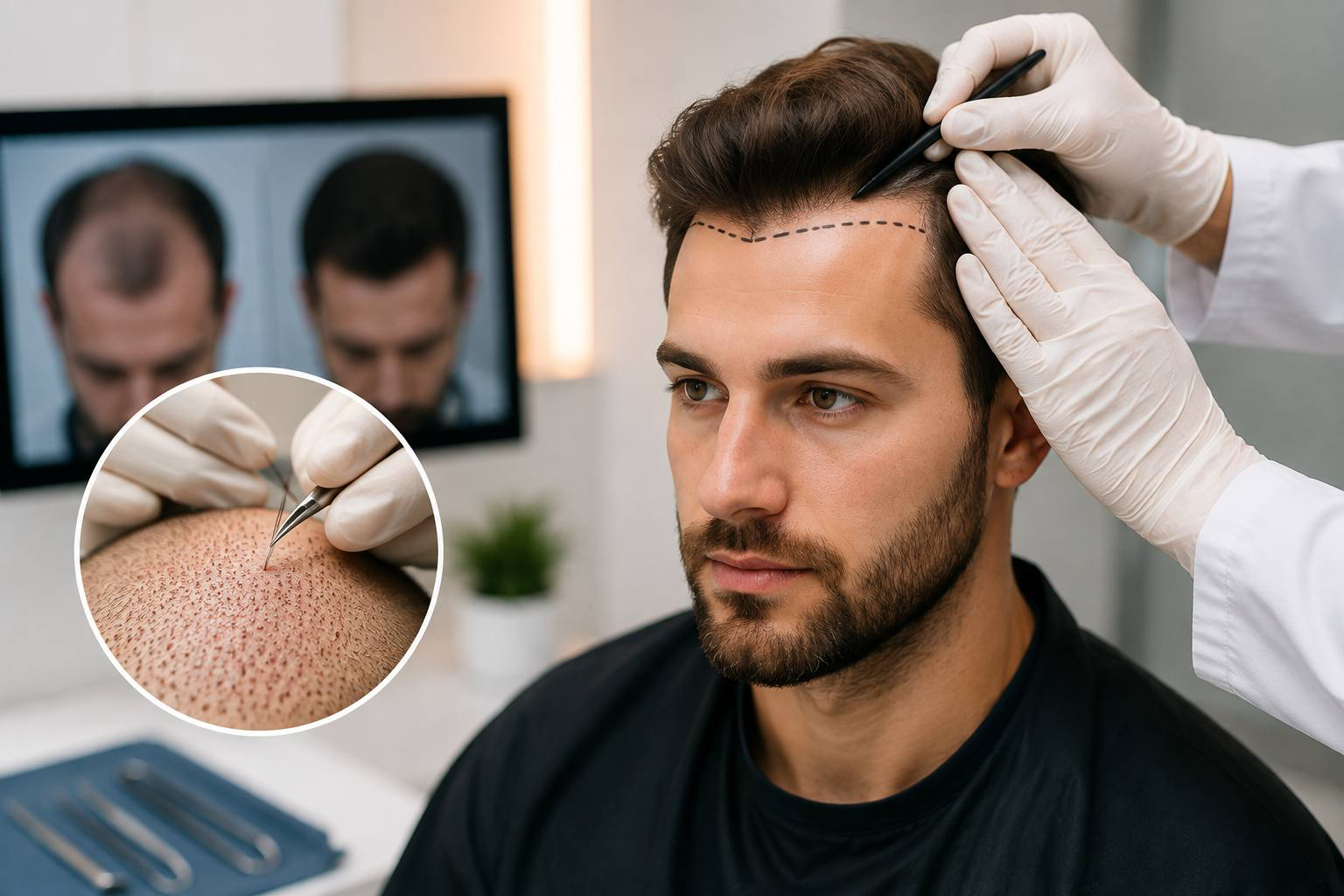
Many women assume a hair transplant is only for men with receding hairlines. In fact, women lose hair in a different pattern, usually diffuse thinning across the top of the head with the frontal hairline preserved, and the plan, the technique and the candidacy checks are different too. Our partner clinics treat women every week, and the all-inclusive packages start from €2,000. Here is what is genuinely different, and what stays the same.
The most important question is the cause of the thinning. Hormonal changes, thyroid problems, iron deficiency or recent illness can all cause temporary hair loss that a transplant will not fix. A reputable surgeon will ask for blood test results and may recommend treating the underlying cause first. The best candidates are women with stable, localised loss, such as a widening part, a high hairline, traction alopecia or scarring from earlier procedures, and with a healthy donor area at the back of the head.
When hair thins evenly across the whole scalp, including the donor area, there is less permanent hair available to move. In that case a surgeon may advise against surgery or suggest a smaller, targeted plan. This is a sign of a careful clinic rather than a reluctant one. Send clear photos of the front, top, parting line and back of your head before booking so the surgeon can give an honest opinion.
The biggest practical worry for most women is shaving. Standard FUE requires the donor area to be trimmed, and some clinics offer a partial approach where only a strip at the back is shaved and the longer hair above covers it. DHI uses an implanter pen and often works without shaving the recipient area, which helps if you want to go back to work without obvious signs. Which approach suits you depends on donor density and the area to be covered, and the surgeon should explain the trade-offs.
A female hairline is usually lower, softer and more rounded than a male one, and the aim is density rather than a new shape. Many women also want to keep their existing hair, so the surgeon places new grafts between native hairs without disturbing them. Agree the design with the surgeon on the day before anything starts.
Recovery follows the same pattern as for men: a red, crusted scalp for about ten days, shedding of the transplanted hairs between weeks two and six, new growth from month three or four, and a result you can fairly judge at twelve months. Longer hair makes it easier to hide the recipient area while it heals. Our guide to hair transplant recovery week by week covers each stage in detail, and the first 14 days of aftercare are the most important to follow carefully.
Spreading redness, discharge, fever or pain that gets worse after the first few days should be reported to the clinic straight away. Equally important is realism: a transplant adds density but does not stop hair loss elsewhere, so many surgeons recommend continuing medical treatment alongside it. Ask the clinic for its touch-up policy in writing before you book.
Can I have a hair transplant without shaving my whole head?
Often yes. Partial shaving of a small donor strip or DHI without shaving the recipient area are common options, depending on your case.
Will I need to stop my hormonal treatment or medication?
Do not stop anything without medical advice. Tell the surgeon about every medication and supplement you take during the consultation.
How many grafts do women usually need?
It varies widely. Targeted areas such as a parting or temples often need fewer grafts than a man's full hairline, and the surgeon will give a number after reviewing your photos. See also how many grafts you need.
This page is general information, not medical advice. Suitability, technique and results are determined individually by a licensed doctor.
Send us what you already have — the pathology report, imaging on disc, discharge summaries. A specialist at a partner hospital will review it and tell you what is realistic in your case and how quickly treatment could begin. Reviewing your documents costs nothing and commits you to nothing.
Send your documents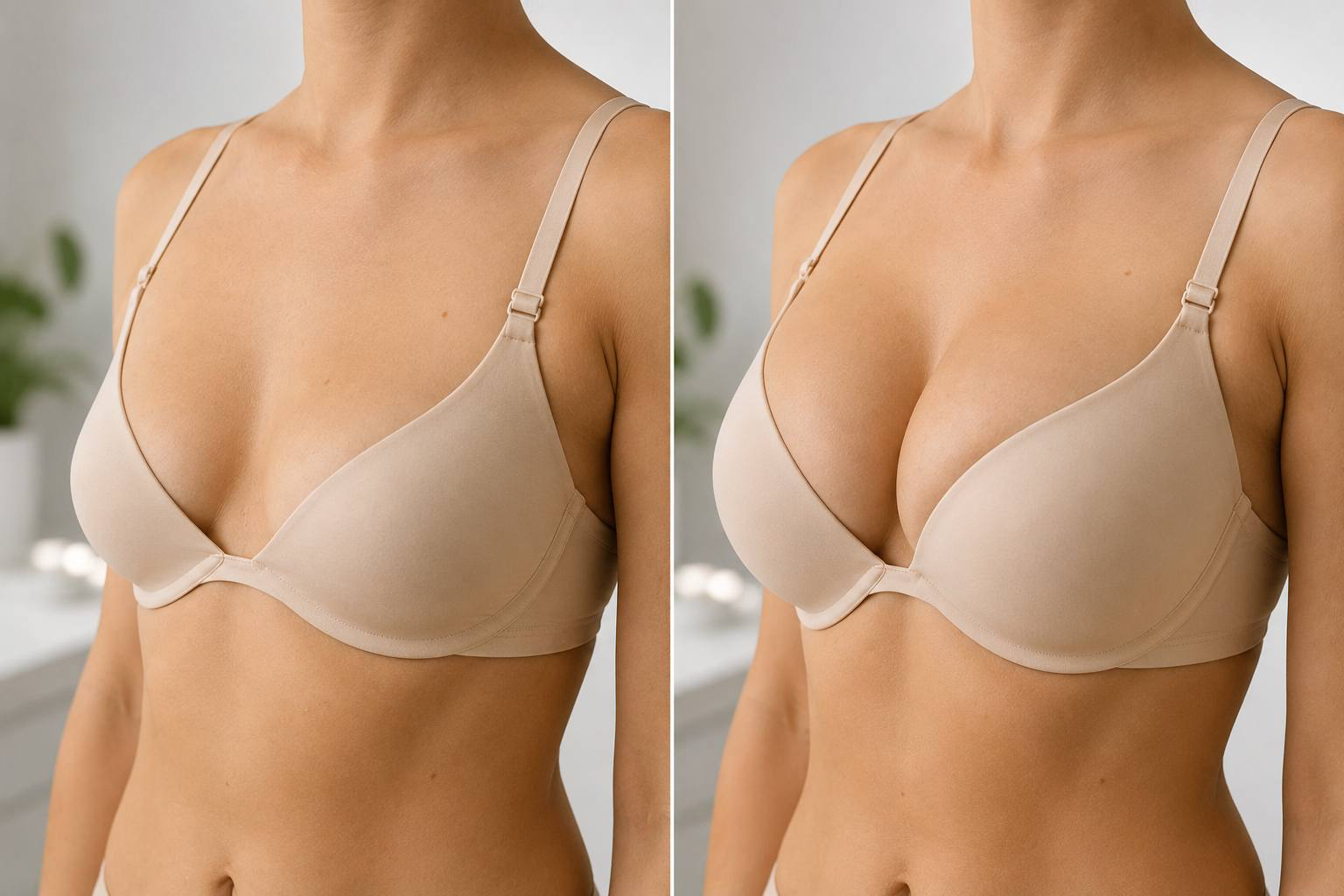
Implants add size and shape, but sagging tissue may need a lift too — here is how surgeons decide which option fits in Turkey.

How adjustable sutures work in adult strabismus surgery, and what to expect from double vision, redness and alignment in the first weeks.
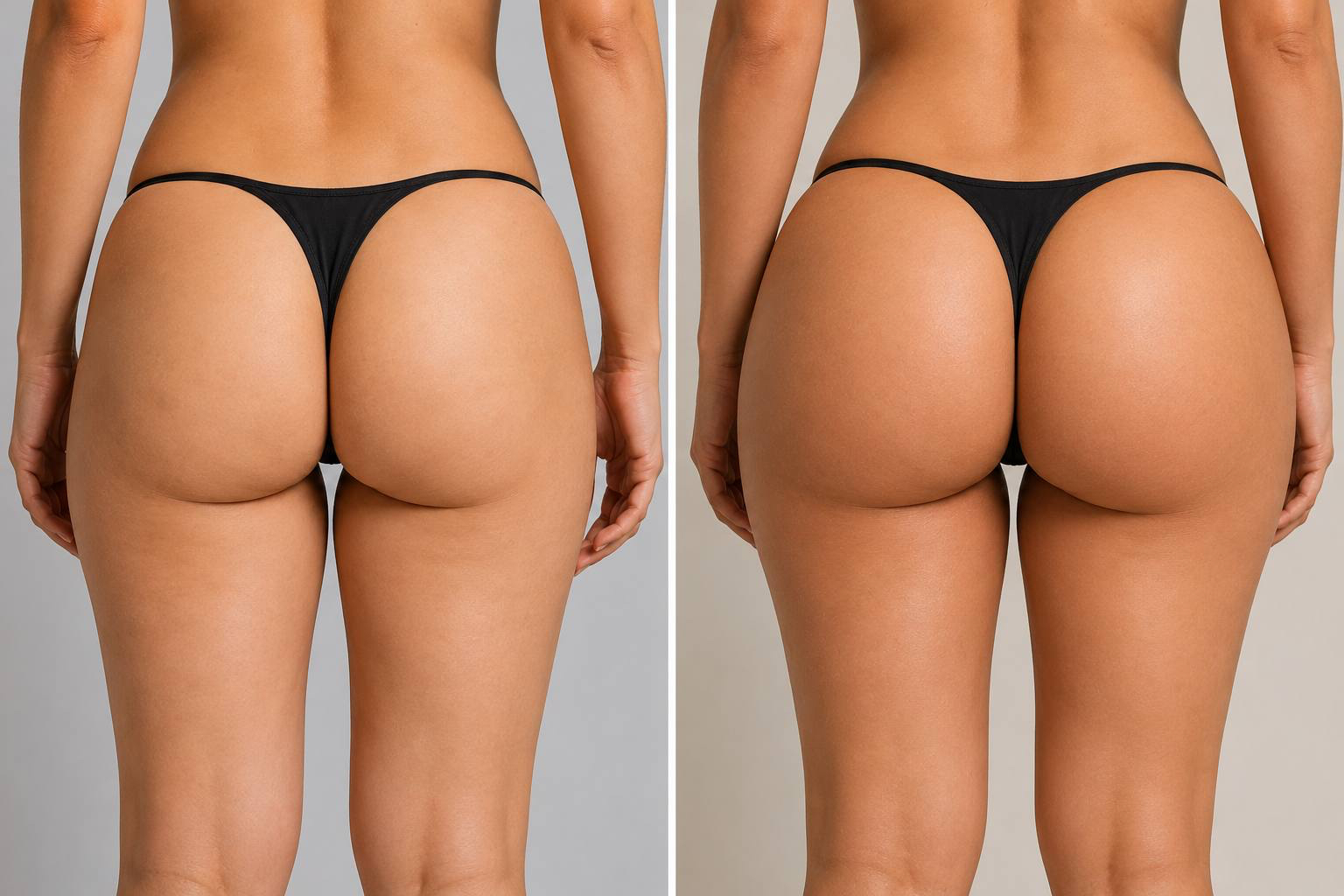
Not all transferred fat survives a BBL — here is what affects retention, when the final shape appears, and how to protect your result.