A practical guide to where face and neck lift incisions are placed, how they look at each stage of healing, and how to care for them.
04.11.2026
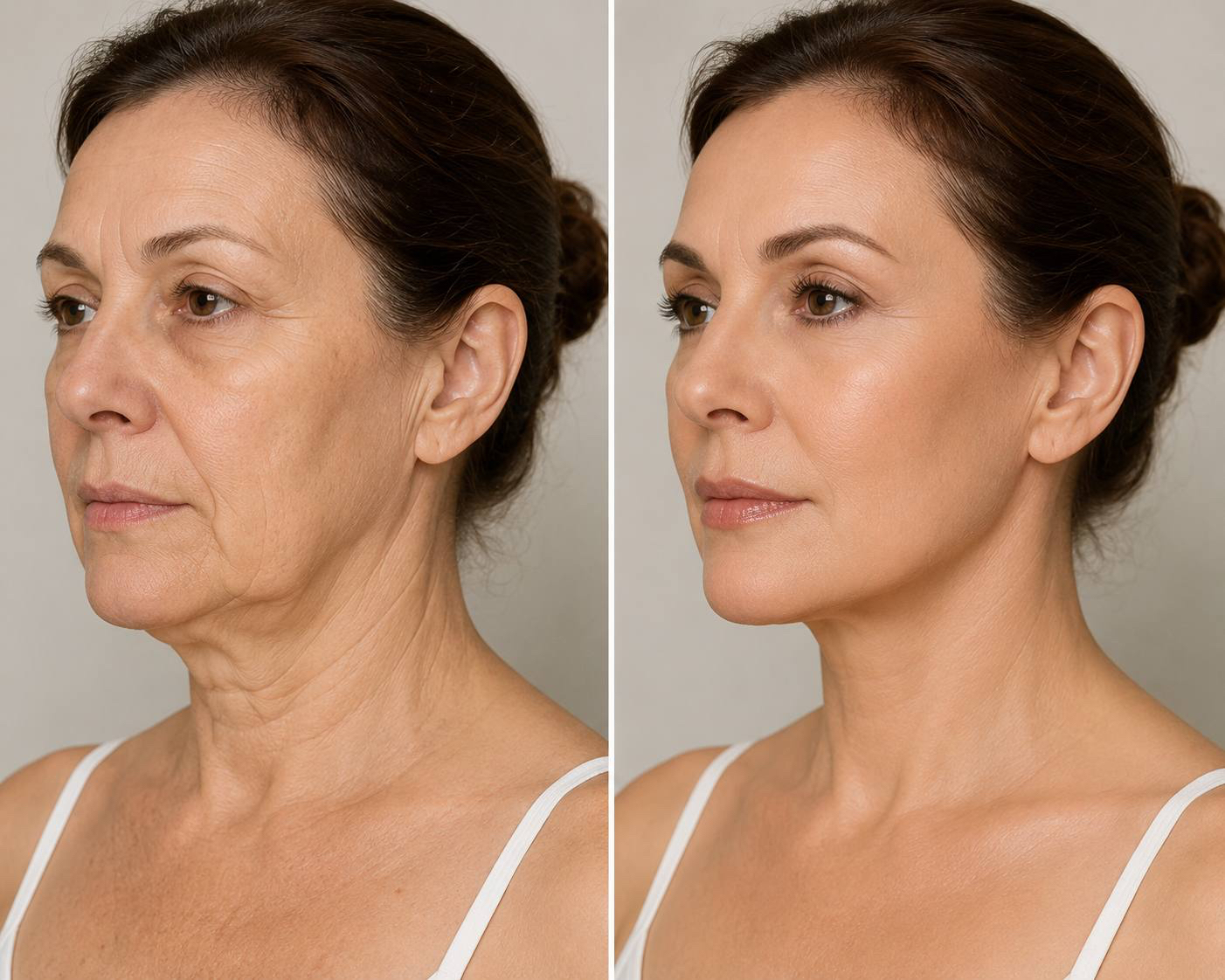
The scar is the question almost every face and neck lift patient asks about first. The honest answer is that incisions are planned along natural lines — the hairline, the fold in front of the ear and the crease behind it — so that once they mature they are very hard to spot. Here is what that looks like in practice, stage by stage.
For a face lift the incision usually starts inside the hairline at the temple, follows the fold in front of the ear, wraps around the earlobe and continues behind the ear into the lower scalp. A neck lift may add a short incision under the chin. A mini (lower) face lift uses a shorter version of the same pattern, which is one reason its recovery is quicker. Your surgeon will mark the exact route with you during planning.
Expect a light dressing or support wrap for the first day or two, and mild tightness rather than sharp pain. The incisions look pink to red with visible stitches, and bruising and swelling around them are normal. Sleep with your head raised and avoid pulling on the skin when washing your face. Stitches and clips are typically removed at the follow-up visit during your stay in Turkey.
Once the stitches are out, the scar looks like a thin pink or red line, and it may feel numb, itchy or slightly lumpy. This is normal healing, not a sign that something has gone wrong. Most visible swelling and bruising fade within two to three weeks, and many patients feel comfortable going out with a little concealer and a hairstyle that covers the ear area.
Scars keep remodelling for up to a year. They gradually flatten, soften and lighten from red to a pale line close to your natural skin tone. Numbness around the ears and cheeks improves slowly. Protect the scars from strong sun with sunscreen, since sunburn can darken them, and avoid picking at crusts or scabs.
Keep the area clean, follow your surgeon's instructions on ointments, avoid smoking, which slows healing, and do not start silicone sheets or gels or massage until your surgeon says the incisions are fully closed. Scar quality also depends on your skin type and genetics, so results differ between people even when the technique is identical.
Contact your surgeon promptly if you notice swelling that is much greater on one side, a wound that opens, spreading redness with heat or discharge, or a fever. Send photos through your MedAgent coordinator so the clinic can advise quickly, even after you are back home.
Will people see my scars?
Mature face lift scars usually blend into the hairline and ear folds, and most are hard to notice at conversational distance.
When can I wear my hair up?
Most surgeons suggest waiting until the incisions have fully closed, often around three to four weeks, but follow your own surgeon's advice.
Can scars be improved later?
Yes. If a scar heals thick or wide, options such as silicone products, injections or minor revision can be discussed once it has matured.
This page is general information, not medical advice. Suitability, technique and results are determined individually by a licensed surgeon.
Send us what you already have — the pathology report, imaging on disc, discharge summaries. A specialist at a partner hospital will review it and tell you what is realistic in your case and how quickly treatment could begin. Reviewing your documents costs nothing and commits you to nothing.
Send your documents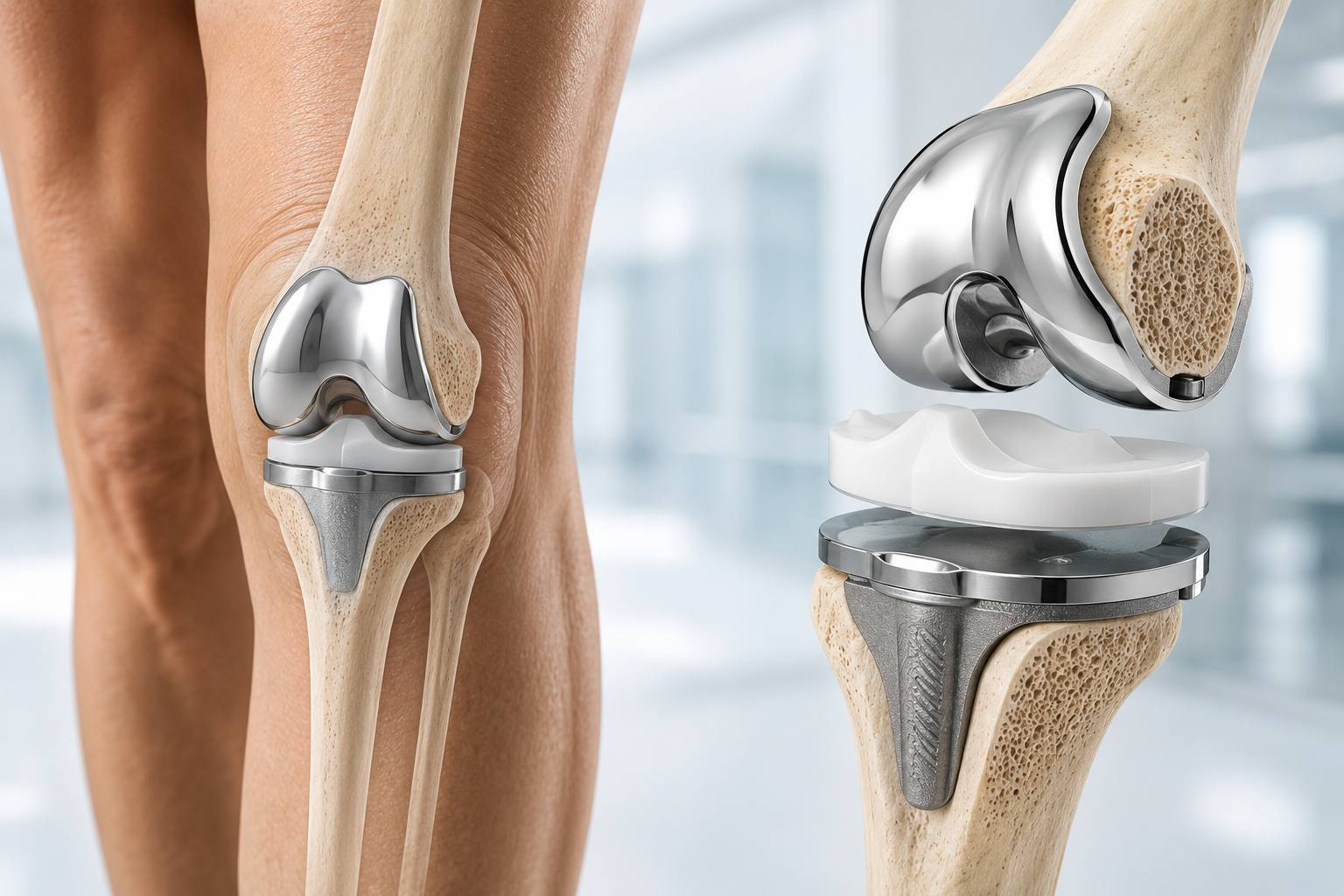
A practical look at when surgeons plan both knees in one operation, how recovery differs from a single knee, and what it means for your stay in Turkey.
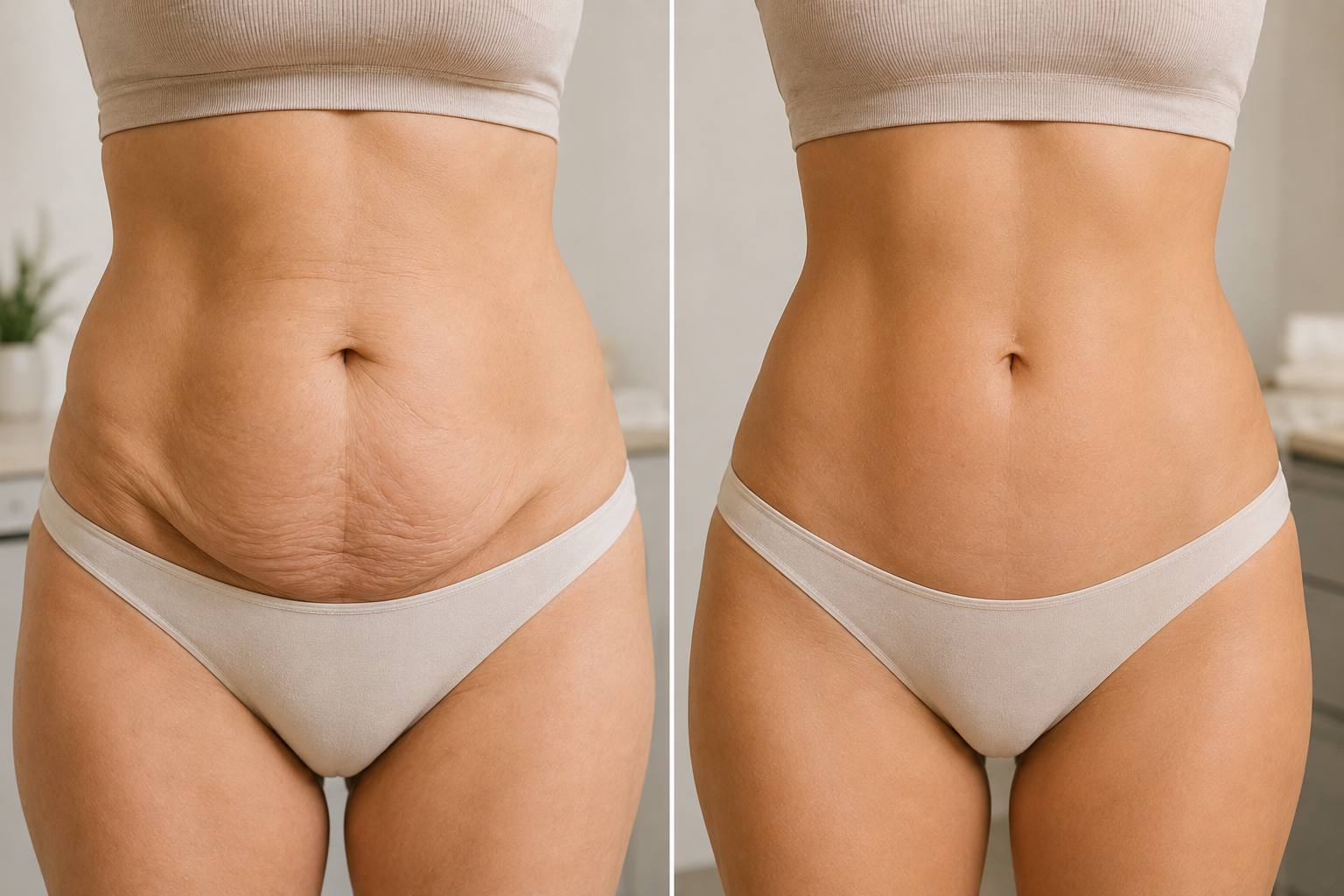
What the first seven days after a tummy tuck in Turkey really involve: drains, the bent-over walk, sleeping positions and when you can safely move around.

Implants add size and shape, but sagging tissue may need a lift too — here is how surgeons decide which option fits in Turkey.