A practical guide to a frozen embryo transfer (FET) in Turkey: how the cycle runs, how long you stay, what it costs and when you get your result.
18.10.2026
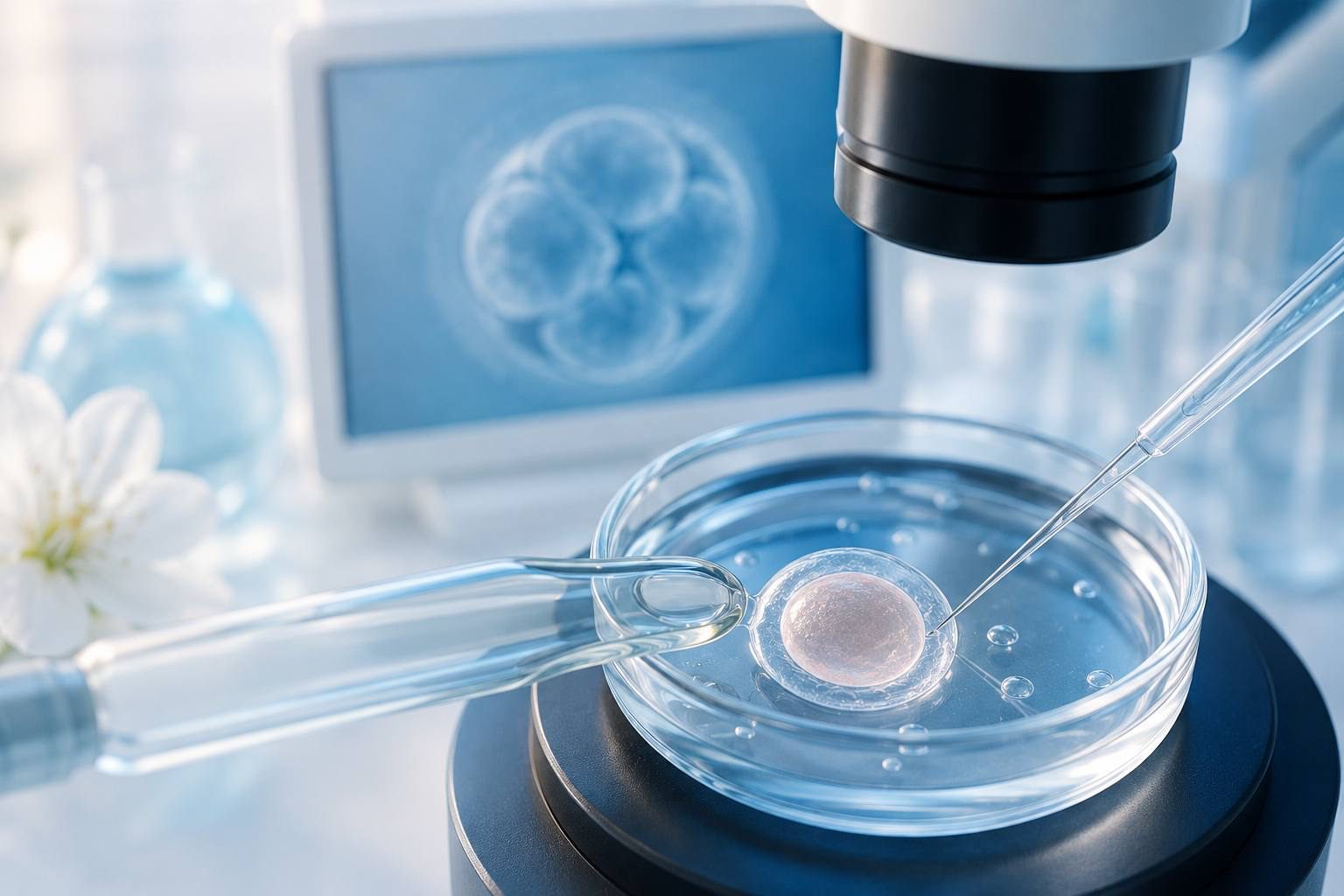
If you already have embryos in storage, a frozen embryo transfer (FET) lets you try again without repeating stimulation and egg retrieval. In Turkey a FET costs €3,000 and the trip is much shorter than a first cycle. Here is how it works, step by step.
Embryos are frozen when there are more than can be transferred in one go, when genetic testing is planned, or when hormone levels after stimulation are not ideal for implantation. Waiting a cycle lets the uterus recover and be prepared on its own schedule.
Before the transfer the doctor builds up the lining of the womb, usually with oestrogen followed by progesterone, or in a natural cycle that follows your own ovulation. Ultrasound scans and blood tests show when the lining is ready. This phase can often be monitored by your gynaecologist at home, with results sent to the Turkish clinic.
On the day, the embryologist thaws the chosen embryo and checks that it has survived. The transfer itself takes only minutes, is done under ultrasound guidance and needs no anaesthesia. If embryos were frozen elsewhere, the clinic must agree to receive them in advance, so ask before booking.
Plan for roughly one week around the transfer, depending on how much monitoring you complete at home. Many patients fly in a few days before the transfer and rest afterwards. The clinic confirms exact dates once your protocol is set.
A Beta-hCG blood test about twelve days after transfer shows whether the cycle worked. Home tests before then are unreliable. Light activity is fine, and you can usually fly home soon after the transfer once your doctor agrees.
A subsequent frozen embryo transfer costs €3,000. Embryo freezing is €1,400 and includes five years of storage; thawing with biopsy, re-freezing and PGT is €550; anaesthesia, if required, is €600. Medication is paid separately at the pharmacy. We put a realistic total in writing before you travel.
Is a frozen transfer less successful than a fresh one?
Not necessarily. Results depend mainly on the age at which the embryo was created and on its quality, not on whether it was frozen.
Can we use embryos created in another country?
Often yes, if the clinic accepts them and the paperwork is in order. Under Turkish law embryos must come from the couple's own eggs and sperm, and a marriage certificate is normally required.
Do I need anaesthesia?
No. The transfer takes minutes and is similar to a routine gynaecological examination.
This page is general information, not medical advice. Suitability, protocol and outcomes are determined individually by a licensed fertility specialist.
Send us what you already have — the pathology report, imaging on disc, discharge summaries. A specialist at a partner hospital will review it and tell you what is realistic in your case and how quickly treatment could begin. Reviewing your documents costs nothing and commits you to nothing.
Send your documents
A practical guide to the vitamins and minerals — B12, iron, calcium and more — that gastric sleeve patients take for life, and the blood tests that keep them safe.
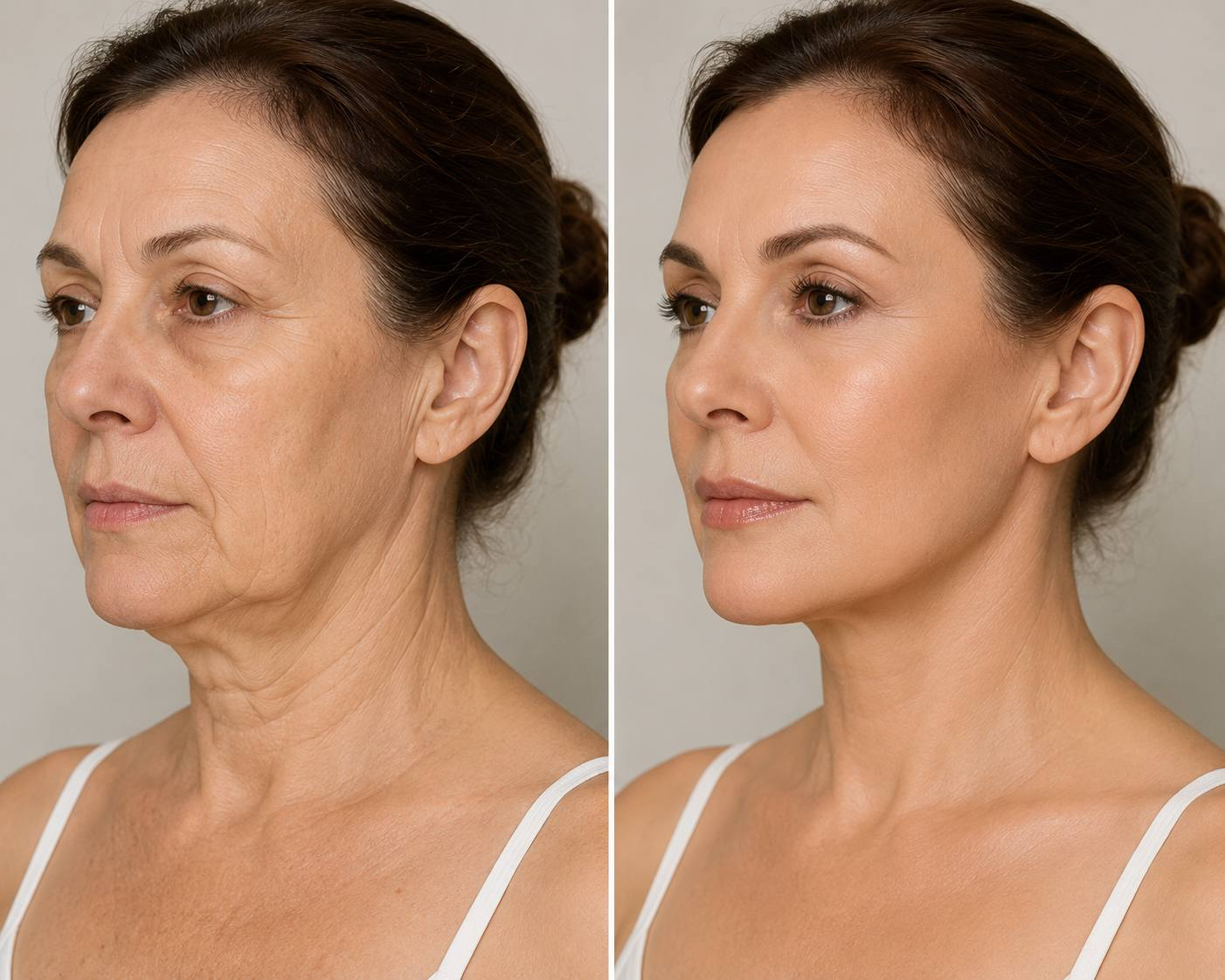
A practical guide to choosing between a mini facelift, a full facelift and a neck lift in Turkey, with realistic prices and recovery expectations.
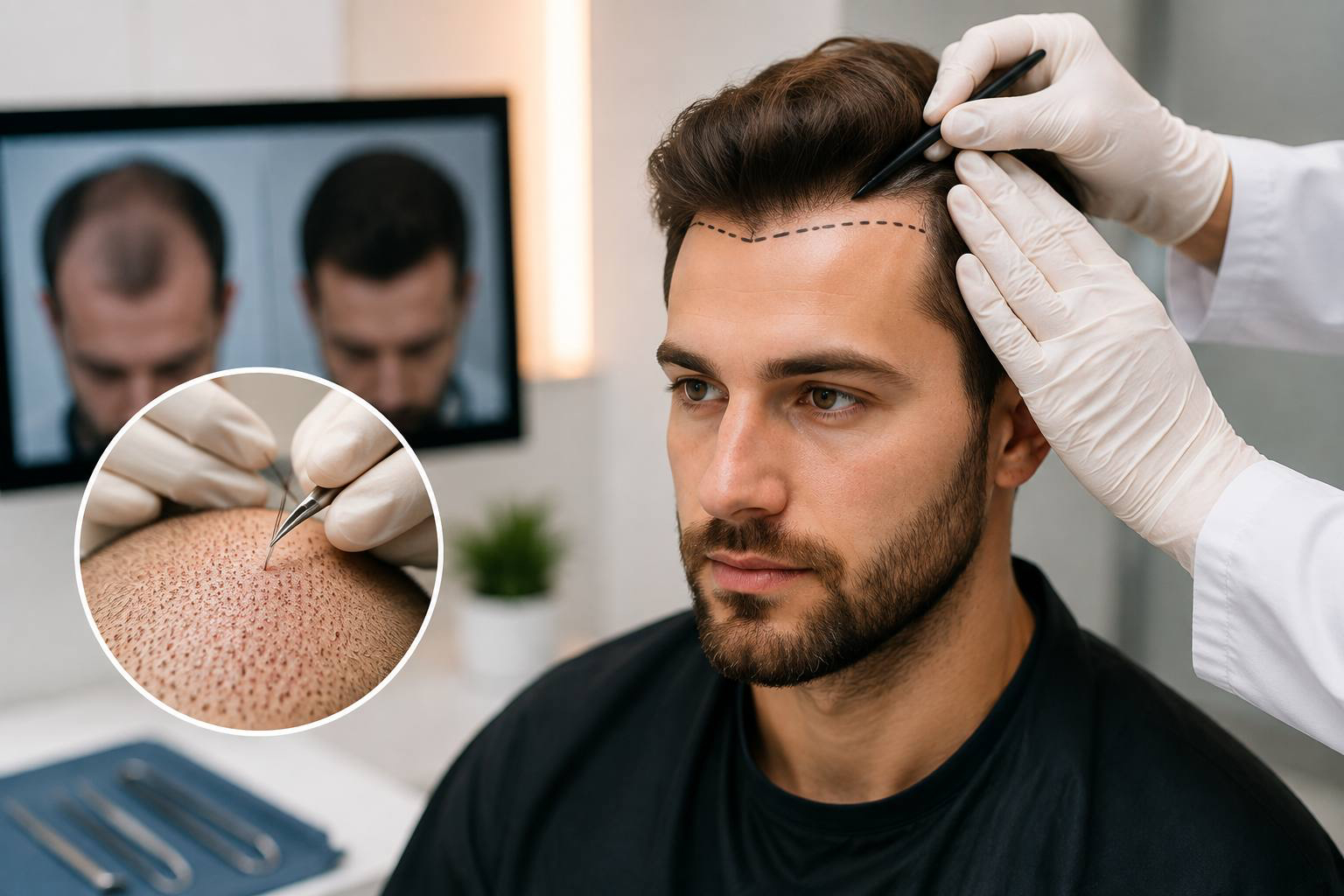
What to do in the two weeks before a hair transplant in Turkey — medications, haircut, alcohol, photos and travel — so surgery day goes smoothly.