What a gastric sleeve trip to Turkey really looks like day by day — from pre-operative tests and the hospital stay to the hotel days and the flight home.
25.10.2026

The standard MedAgent bariatric package is 4 days and 3 nights, covering pre-operative checks, the operation, the hospital stay and the first hotel recovery days before you fly home. Our partner hospitals quote it all-inclusive from €2,800, with tests, surgery, anaesthesia, medication, hotel, transfers and an interpreter included. Knowing what happens on each day makes the trip far less stressful, so here is a realistic plan.
Weeks before departure, you send your medical history, current medication, height and weight, and any previous abdominal surgery. A surgeon reviews this to confirm that the operation is suitable and gives you the final quote. Tell the team about blood thinners, diabetes medication and any heart or sleep-apnoea history, and follow the pre-operative diet and fasting instructions you are given. Book flexible flights that land with a day to spare.
You are met at Antalya airport and transferred to the hospital or hotel. Pre-operative blood tests, an ECG and an anaesthesia assessment are usually done on arrival, and you meet your surgeon, who goes through the procedure and answers your questions through your interpreter. You will be asked to stop eating and drinking at the time the team specifies, usually the evening before.
The sleeve is performed laparoscopically through a few small incisions and typically takes around an hour or two. You wake in recovery with pressure and shoulder-tip discomfort from the gas used during surgery, not sharp wound pain. Nurses will have you standing and taking short walks the same day or the next morning, which is the most useful thing you can do to prevent clots.
Once the team is satisfied that you are stable and tolerating small sips of water, you are discharged to the hotel. Expect to feel tired, with a very small appetite. Sip about 30 ml at a time, never gulp, and keep taking your prescribed medication on schedule. Your coordinator checks in on you and the hospital is reachable if anything worries you.
Before departure the surgical team confirms there is no fever, no sign of a leak and that you are tolerating fluids, then clears you to fly. Wear compression stockings if advised, stay hydrated, and walk the aisle regularly. Carry your discharge summary and medication list in hand luggage, and plan an easy journey home with someone to help with bags.
Contact your surgical team or seek local care immediately for a fever above 38°C, a resting heart rate over 120, worsening abdominal pain, persistent vomiting or inability to keep fluids down, redness or discharge from an incision, chest pain, shortness of breath, or pain and swelling in one calf. These are uncommon but time-sensitive.
Can I bring someone with me?
Yes. Many patients travel with a partner or friend, who can help at the hotel and on the journey home. Ask your coordinator about arrangements for companions.
Is 4 days enough?
For most patients, yes, provided the surgeon clears you at the end of the stay. If you need extra time for any reason, your coordinator will help rearrange the hotel and flights.
What does the package cover?
It covers pre-operative tests, the surgery and hospital stay, anaesthesia and medication, hotel, transfers and an interpreter. The final quote is confirmed after a doctor reviews your medical details. Full details are here.
This page is general information, not medical advice. Suitability, technique and results are determined individually by a licensed doctor.
Send us what you already have — the pathology report, imaging on disc, discharge summaries. A specialist at a partner hospital will review it and tell you what is realistic in your case and how quickly treatment could begin. Reviewing your documents costs nothing and commits you to nothing.
Send your documents
Implants add size and shape, but sagging tissue may need a lift too — here is how surgeons decide which option fits in Turkey.
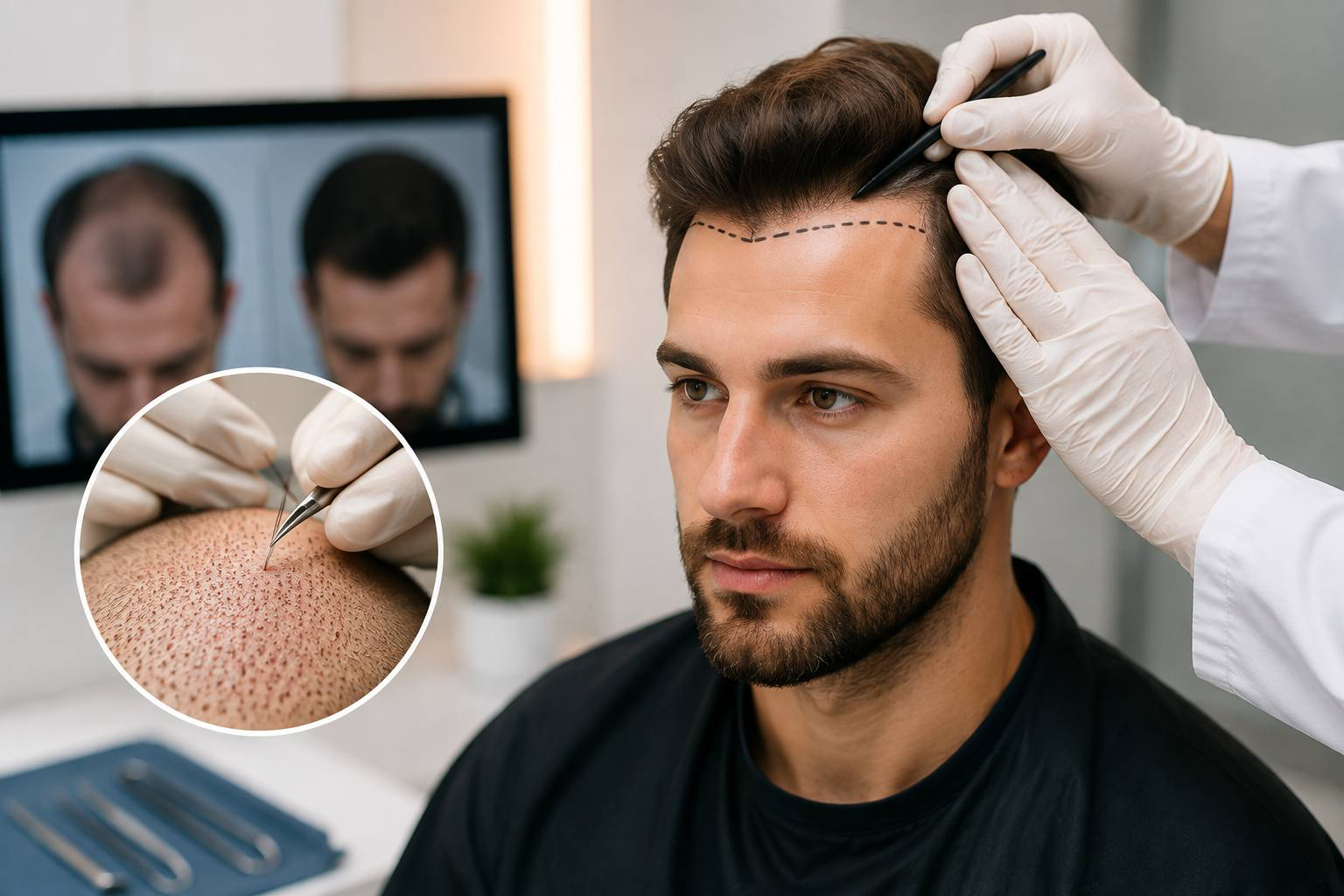
How a hair transplant for women differs from the male procedure, who is a good candidate, and what recovery looks like in Turkey.

How adjustable sutures work in adult strabismus surgery, and what to expect from double vision, redness and alignment in the first weeks.