A practical guide to the days between embryo transfer and your beta-hCG blood test: activity, medication, flying home and the warning signs that need a call to your clinic.
26.10.2026

Between the transfer and the blood test that tells you whether the cycle worked, there are about twelve days with nothing to do but wait. Knowing what is normal, what is allowed and when to call the clinic makes those days far easier to get through.
The transfer itself takes only a few minutes, needs no anaesthesia and is done under ultrasound guidance. Most clinics ask you to rest for a short while afterwards, then you can return to your hotel. Days of strict bed rest are not required and have not been shown to improve results.
Light cramping, tenderness or a bloated feeling are common, mostly from the hormone medication. Short walks, normal meals and plenty of water are fine. Avoid heavy lifting, intense exercise, hot baths and the sauna, and keep taking every medication exactly as your doctor prescribed, including progesterone support, at the same times each day.
Many patients start reading every twinge as a sign. Sore breasts, tiredness or mild cramps can come from progesterone alone, and the absence of symptoms does not mean the cycle failed. Please do not rely on how you feel.
Many patients fly home a few days after the transfer, and a normal flight is generally not a problem. Ask your clinic which date they are comfortable with, carry your medication and its documents in hand luggage, and walk and drink water on longer flights. Agree beforehand where you will have the blood test, since a local laboratory can send the result to the clinic.
About twelve days after transfer a blood test measures beta-hCG. Home pregnancy tests before that date can give false results, particularly if a trigger injection was used. A positive result is followed by a repeat test, an early scan and the fetal heartbeat check; a negative result is information your doctor uses to adjust the next attempt, and a later frozen transfer is a shorter trip.
Contact the clinic or a local doctor for heavy bleeding, severe or worsening abdominal pain, a swollen abdomen with rapid weight gain, shortness of breath, fever or very little urine. These can be signs of complications such as ovarian hyperstimulation, which needs prompt assessment.
Can I walk, travel and keep a normal routine?
Yes. Gentle daily activity is fine. Avoid strenuous exercise and heavy lifting until your doctor says otherwise.
Should I test at home before the blood test?
It is best to wait for the beta-hCG blood test, because earlier home tests can mislead, especially after a trigger injection.
Do I have to stay in Turkey for the whole wait?
Not necessarily. Many patients fly home once the clinic agrees and have the blood test locally, with the result sent to the clinic.
This page is general information, not medical advice. Suitability, protocol and outcomes are determined individually by a licensed fertility specialist.
Send us what you already have — the pathology report, imaging on disc, discharge summaries. A specialist at a partner hospital will review it and tell you what is realistic in your case and how quickly treatment could begin. Reviewing your documents costs nothing and commits you to nothing.
Send your documents
Implants add size and shape, but sagging tissue may need a lift too — here is how surgeons decide which option fits in Turkey.
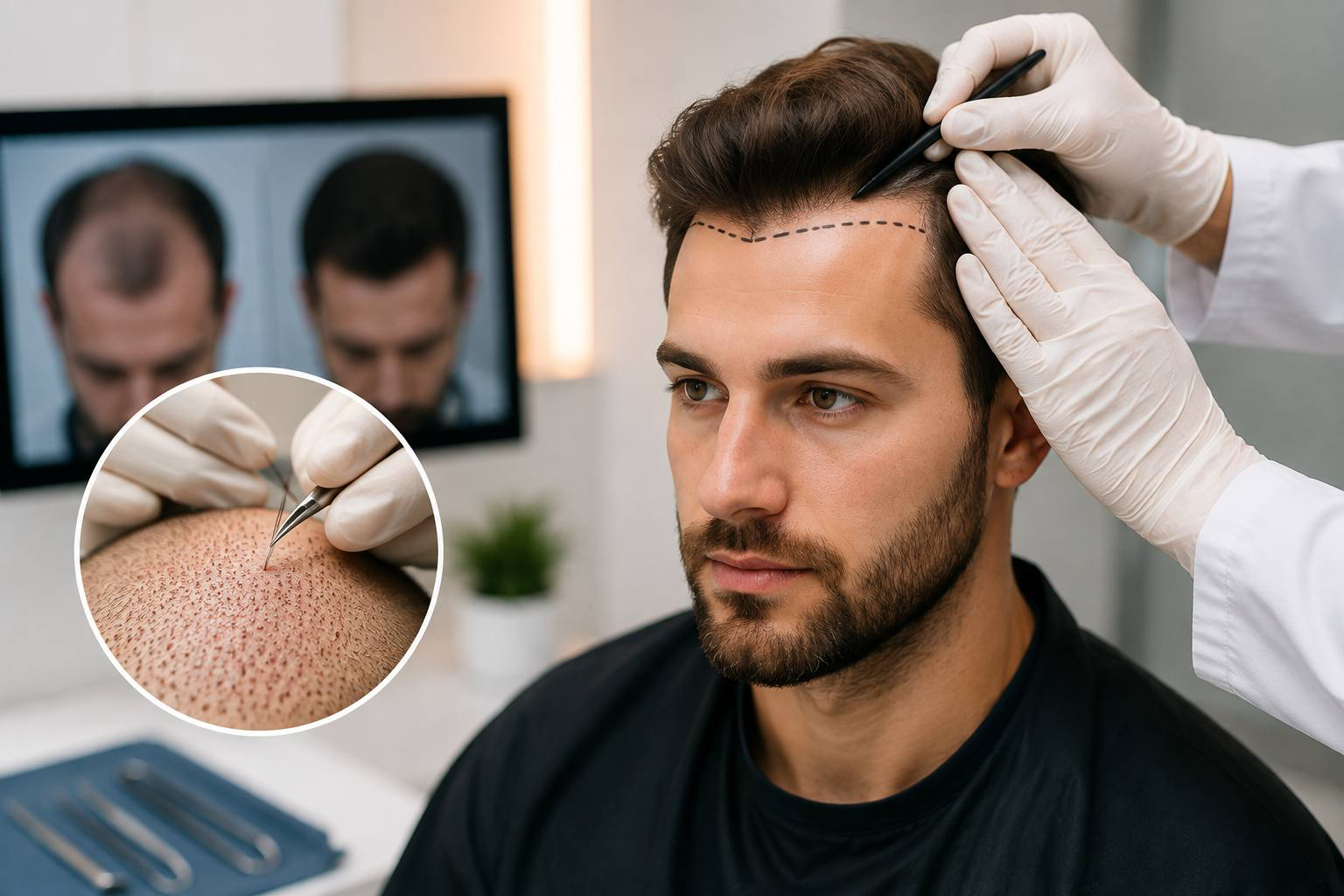
How a hair transplant for women differs from the male procedure, who is a good candidate, and what recovery looks like in Turkey.

How adjustable sutures work in adult strabismus surgery, and what to expect from double vision, redness and alignment in the first weeks.