A realistic week-by-week guide to mommy makeover recovery in Turkey: drains, compression, when you can lift your children, and when it is safe to fly home.
15.08.2026
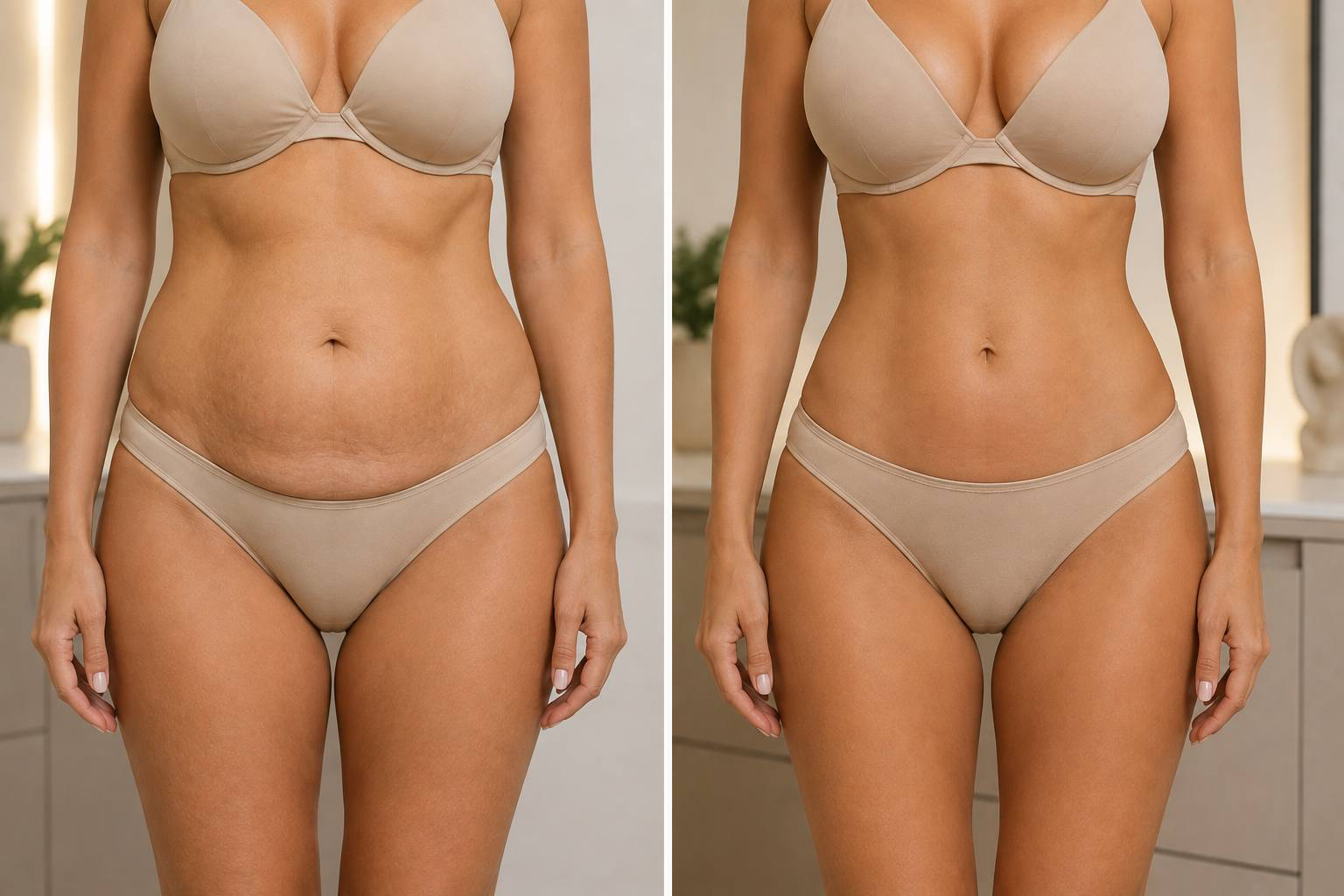
Combining abdominoplasty with breast surgery in a single operation means one anaesthetic, one hospital stay and one recovery instead of two — which is the entire point of it. At our partner hospitals in Turkey a mommy makeover starts from €7,900 without implants, and most patients stay seven to ten nights. What catches people out is not the pain but the posture: for the first week your abdomen decides how you stand, walk and sleep, while your chest decides what you can lift. Here is what each stage realistically looks like.
The combined operation usually takes four to six hours, and you will wake with a compression garment already on, one or two drains at the abdomen, and your upper body propped up. Packages at our partner hospitals include three nights in hospital for exactly this reason: the first two days are when a surgical team should be watching you, not a hotel receptionist.
You will be asked to stand and walk a short distance within the first day. It feels counterintuitive and it is the single most important thing you do: early walking is what protects you from a blood clot after abdominal surgery. You will walk bent forward at the hips, because the abdominal skin has been tightened and standing upright pulls on it. That stoop is expected and temporary.
Drains usually come out somewhere between day three and day seven, once output drops below the threshold your surgeon sets. Their removal is brief and startling rather than painful, and most patients say it is the moment recovery starts feeling manageable.
Two separate sets of rules run in parallel this week. From the abdomen: stay flexed, sleep semi-upright with a pillow under your knees, and do not stretch out flat. From the chest: keep your elbows close to your sides, do not raise your arms above shoulder height, and never push yourself up out of bed with your arms. Getting up means rolling onto your side and easing upright — someone should be with you the first few times.
The compression garment stays on continuously, including at night, and is removed only to shower once your surgeon clears it. Expect deep bruising across the abdomen, swelling that looks worse in the evening than the morning, and a tight, pulling sensation rather than sharp pain.
Most patients feel recognisably better in the second week and start straightening up. Light walking extends, desk work becomes possible around the second or third week, and the garment usually continues for four to six weeks in total.
This is where the hardest restriction bites, and it is the one nobody warns mothers about: you cannot lift your children. For most patients that means no lifting a toddler for four to six weeks, and it needs planning before you fly, not improvising after. Arrange help at home, and practise the sitting-down-together alternative with a small child before you travel, so the first refusal is not a shock to either of you.
Most patients are cleared to fly between seven and ten days after surgery, at a final check where the surgeon confirms the wounds are dry and there are no signs of a clot. Abdominoplasty raises clot risk, and a long flight raises it again, so the clearance is a medical decision and not a scheduling one.
For the flight itself: wear your compression garment and the compression stockings you are given, take an aisle seat, walk the cabin roughly once an hour, drink water and avoid alcohol. Ask MedAgent to build flexibility into the return date rather than booking a fixed ticket — a delayed drain or a slow-healing wound moves the date by days, not weeks, but it does move it.
The shape you see at three weeks is not the result. Abdominal swelling comes down over three to six months and continues settling for up to a year, and many patients notice it fluctuating with salt, heat and the menstrual cycle long after the surgery feels finished.
Breasts change shape over the same period — implants sit high and firm at first and gradually settle into a softer, lower position over three to six months. A band of numbness above the abdominal scar is normal, usually improves over months, and in some patients remains permanently. Scars are raised and red for the first several months, then flatten and fade over twelve to eighteen months; sun exposure during the first year is what makes them darken, so cover them.
Contact your surgeon or MedAgent immediately if you have pain, swelling, warmth or redness in one calf, or any chest pain or shortness of breath — those can signal a clot and are an emergency, not something to sleep on. Also call without waiting for a scheduled appointment if you develop a fever above 38°C, sudden swelling or hardening of one breast, wound edges that separate or discharge, especially where the vertical and horizontal abdominal scars meet, or pain that keeps increasing instead of easing.
What does a mommy makeover cost in Turkey?
At our partner hospitals it starts from €7,900 without implants, €8,400 with implants, and €8,800 with implants and a breast lift, covering the surgery, three nights in hospital, four nights in a hotel, transfers and follow-up. Full package details are here.
When can I lift my children again?
Usually four to six weeks, confirmed individually by your surgeon. This is the restriction most patients underestimate, and it is worth arranging help at home before you travel.
How long do the drains stay in?
Typically three to seven days, depending on how quickly fluid output falls. They are almost always out before you fly home.
Can everything really be done in one operation?
Often yes, but not always. Your surgeon assesses your health, BMI, smoking history and the extent of each procedure before deciding what can safely be combined — sometimes the safer plan is to stage the surgery over two trips.
How long should I plan to stay in Turkey?
Seven to ten nights covers surgery, drain removal and the follow-up checks for most patients. Build a little flexibility into the return date rather than booking a fixed flight.
Will the scars be obvious?
The abdominal scar runs low across the hips and is positioned to sit under underwear; breast scars depend on whether a lift was done. All of them are permanent, and all of them fade substantially over the first twelve to eighteen months.
This page is general information, not medical advice. Suitability, the combination of procedures and the result are determined individually by a licensed surgeon.
Send us what you already have — the pathology report, imaging on disc, discharge summaries. A specialist at a partner hospital will review it and tell you what is realistic in your case and how quickly treatment could begin. Reviewing your documents costs nothing and commits you to nothing.
Send your documents
Dry eye is the most common side effect after LASIK, SMILE and PRK — here is why it happens, how long it realistically lasts, and what actually helps during healing.
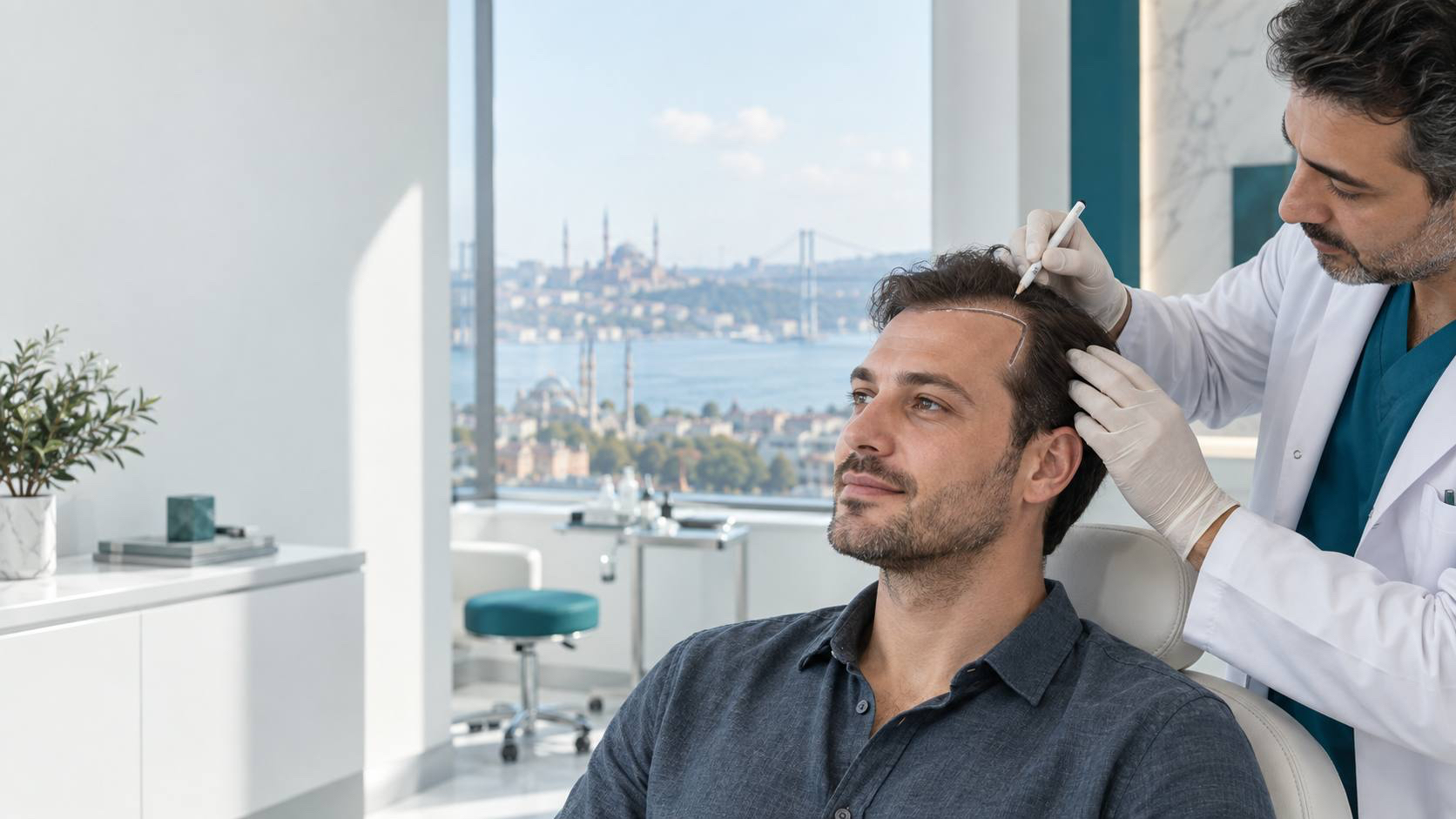
The best hair transplant result is decided by donor density, hairline design and the agreed graft number — not by which clinic ranks first in your search.

A clinic name plus “reviews” mostly returns pages the clinic controls — here is where harder-to-fake reviews live and the four facts worth checking instead.