Cataract surgery in Turkey runs from €3,400 to €5,500 for both eyes, and what moves the price is the intraocular lens, not the operation itself.
16.09.2026
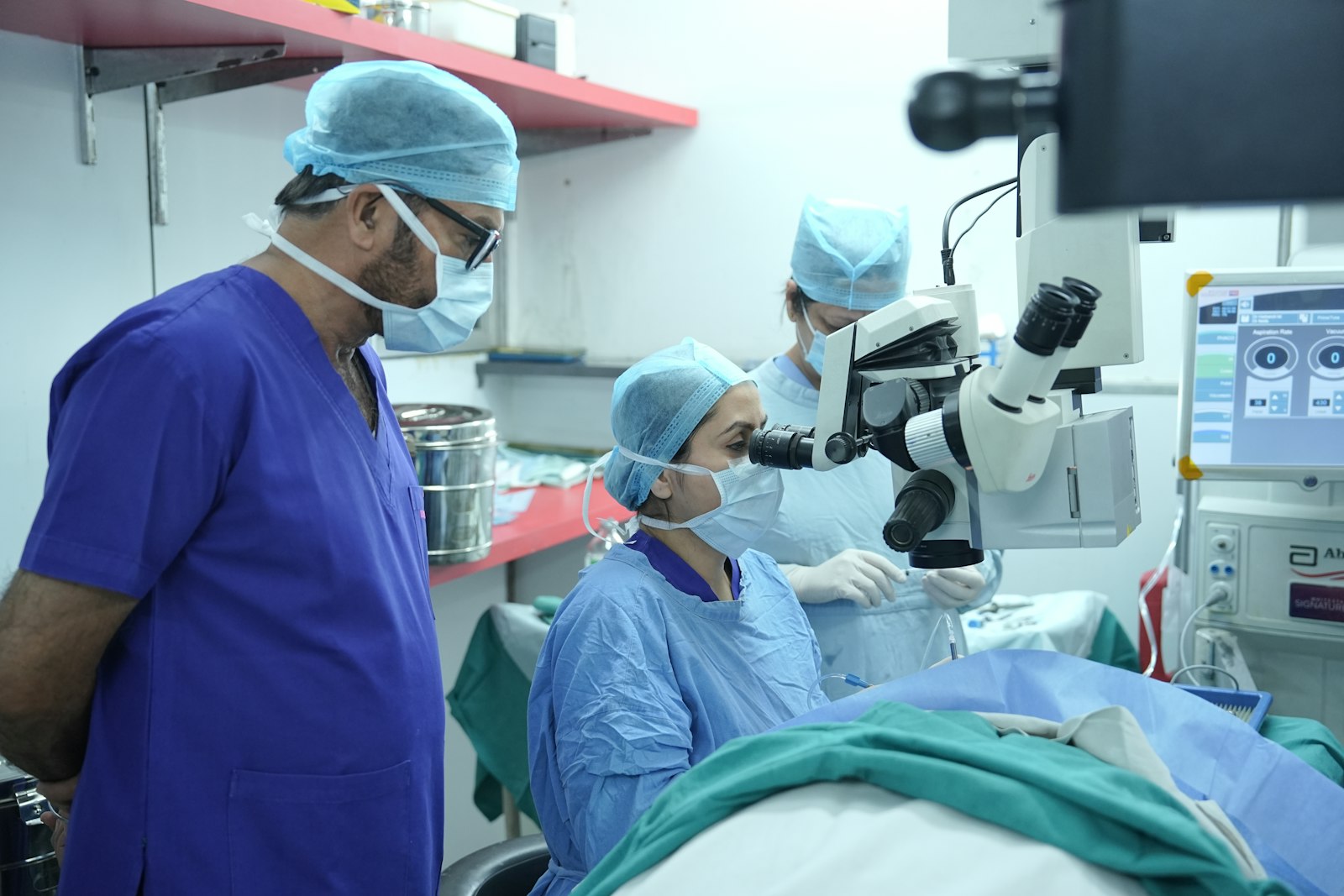
The procedure is close to identical whichever package you book: the clouded natural lens is broken up and removed, and an artificial intraocular lens (IOL) is placed where it used to sit. What moves the invoice is which IOL is chosen, and whether some steps are carried out with a femtosecond laser instead of by hand. At our partner hospitals in Antalya, cataract surgery starts from €3,400 for both eyes, and the upper end of the range is €5,500, also for both eyes. Here is what separates one figure from the other.
All prices on this page are for both eyes and include airport and city-to-hospital transfers, the standard pre-operative tests, the operation, follow-up checks for one month after surgery, and two nights in hospital with one companion. They are fixed until 31 December 2026, and written as “from” prices because the final figure depends on the lens you and the surgeon settle on after the examination.
Phacoemulsification, usually shortened to phaco, is the standard technique. A small incision is made at the edge of the cornea, a circular opening is created in the capsule holding the natural lens, ultrasound energy breaks the clouded lens into fragments, and those fragments are aspirated out. The folded IOL is then inserted into the empty capsule, where it unfolds and stays. It is commonly performed under local anaesthetic, most often drops, with the approach decided by the medical team. That applies to the €3,400 package and the €5,500 package equally, which is why the lens is where the price difference lives.
A monofocal lens has a single focal point. It is normally set for distance, so road signs, television and faces across a room come into focus without correction, while a book, a phone screen or a price tag will normally still need reading glasses. That is not a fault in the lens; it is how single-focus optics work. In exchange the image is optically clean: contrast stays high, and night-time glare and halos are usually unremarkable. For someone comfortable wearing glasses for close work, this is a complete result, not a compromise. Phaco with a monofocal IOL is the reference package, from €3,400 for both eyes.
Astigmatism means the cornea is curved unevenly, steeper along one axis than the other, so light does not focus to a single point. A standard IOL cannot correct that. A toric IOL has the cylindrical correction built in, and has to be rotated to a specific axis during surgery and stay there. Phaco with a monofocal toric IOL is from €3,800 for both eyes, €400 above the baseline.
Toric does not add a second focal distance. A monofocal toric lens still leaves you needing reading glasses. What it removes is a blur that glasses would otherwise have to correct at every distance. Whether the astigmatism in your eye justifies a toric lens is measured rather than estimated, and the surgeon decides after examination.
A multifocal IOL distributes incoming light across more than one focal point, so distance and near vision are available at the same time. For patients it suits, that can mean far less dependence on glasses. It is also the option with a real trade-off, and it should be presented as one.
Splitting light between focal points reduces contrast slightly. Halos and glare around headlights and street lighting at night are common in the first months and can persist. There is an adaptation period while the brain learns to prefer the image it needs, running from a few weeks to several months. Not everyone is a candidate either: macular or retinal disease, glaucoma, an irregular or previously operated cornea, significant dry eye, unusually large pupils, or work that depends on night driving can all make a multifocal lens the wrong choice. The surgeon decides after examination. Phaco with a multifocal IOL is from €4,700 for both eyes, and from €5,000 with toric correction combined.
Femto is the one variable here that changes the technique rather than the lens. A femtosecond laser performs several steps otherwise done by hand: the corneal incision, the circular opening in the lens capsule, and an initial fragmentation of the cataract. Ultrasound is still needed to remove the softened material, and the IOL still determines what you actually see afterwards.
The femto packages are quoted with multifocal lenses, from €5,200, or €5,500 with toric correction, because that is the combination in which the consistency of the capsule opening matters most to how the lens sits and centres. Femto is not a replacement for a lens decision and not automatically the better route for every eye; whether it adds anything in your case is decided by the surgeon after examination.
| Technique and lens | Price, both eyes |
|---|---|
| Phaco + monofocal IOL | from €3,400 |
| Phaco + monofocal toric IOL | from €3,800 |
| Phaco + multifocal IOL | from €4,700 |
| Phaco + multifocal toric IOL | from €5,000 |
| Femto + multifocal IOL | from €5,200 |
| Femto + multifocal toric IOL | from €5,500 |
The pattern is plain. Toric correction costs €300 to €400 wherever it appears. Moving from one focal point to several costs about €900 to €1,200. Laser assistance costs a further €500. Nothing else in the package changes.
Two items sit outside the surgical package. The first is secondary cataract, properly posterior capsule opacification, where the capsule holding the new lens gradually clouds months or years after an otherwise successful operation; it is treated with a YAG laser in a short outpatient visit, from €300 for one eye. The second is additional assessment: a retinal, glaucoma or refractive check-up beyond the standard pre-operative tests is from €800 each.
The lens is selected from measurements. Biometry establishes the power the eye needs, corneal topography shows the shape and the astigmatism, a dilated retinal examination shows whether the back of the eye can support a demanding lens, and the tear film is assessed because a poor one distorts measurements and lowers satisfaction with multifocal optics. Dry eye is worth taking seriously before any lens decision, and the mechanism is described in our article on dry eye after laser eye surgery. Daily life counts too: how much you drive at night, how much close work you do, whether you would trade a little contrast for fewer glasses.
One boundary is worth stating. If the natural lens is still clear and the problem is only a refractive error, cataract surgery is not the operation under discussion; that is the territory of LASIK or, for stronger prescriptions and thinner corneas, an ICL, which leaves the natural lens in place.
Is €3,400 the price for one eye or for both?
For both eyes, together with transfers, standard pre-operative tests, the operation, one month of follow-up checks and two nights in hospital with one companion. The cataract surgery page lists the same packages with the full inclusions.
Will I still need glasses after a monofocal lens?
Normally yes, for reading and close work. A monofocal IOL gives clear vision at one distance, usually far, and glasses cover the rest. Reduced dependence on glasses at several distances is what the multifocal packages are for, with the trade-offs described above.
Can anyone choose a multifocal lens if they are willing to pay for it?
No. Retinal disease, glaucoma, an irregular cornea, significant dry eye and certain visual demands can all make a multifocal lens unsuitable. The surgeon decides after a full examination, not at the booking stage.
Is femtosecond laser surgery a different operation?
It is the same operation with several steps performed by laser instead of by hand. It does not change what the lens does, so a femto package is chosen for its lens first and its technique second. The surgeon decides after examination whether it is appropriate.
If you want a figure for your own eyes rather than a range, the starting point is an examination and current measurements. The cataract surgery in Turkey page sets out each package, what is included and what happens next.
This page is general information, not medical advice. Suitability, technique and results are determined individually by a licensed doctor.
Send us what you already have — the pathology report, imaging on disc, discharge summaries. A specialist at a partner hospital will review it and tell you what is realistic in your case and how quickly treatment could begin. Reviewing your documents costs nothing and commits you to nothing.
Send your documents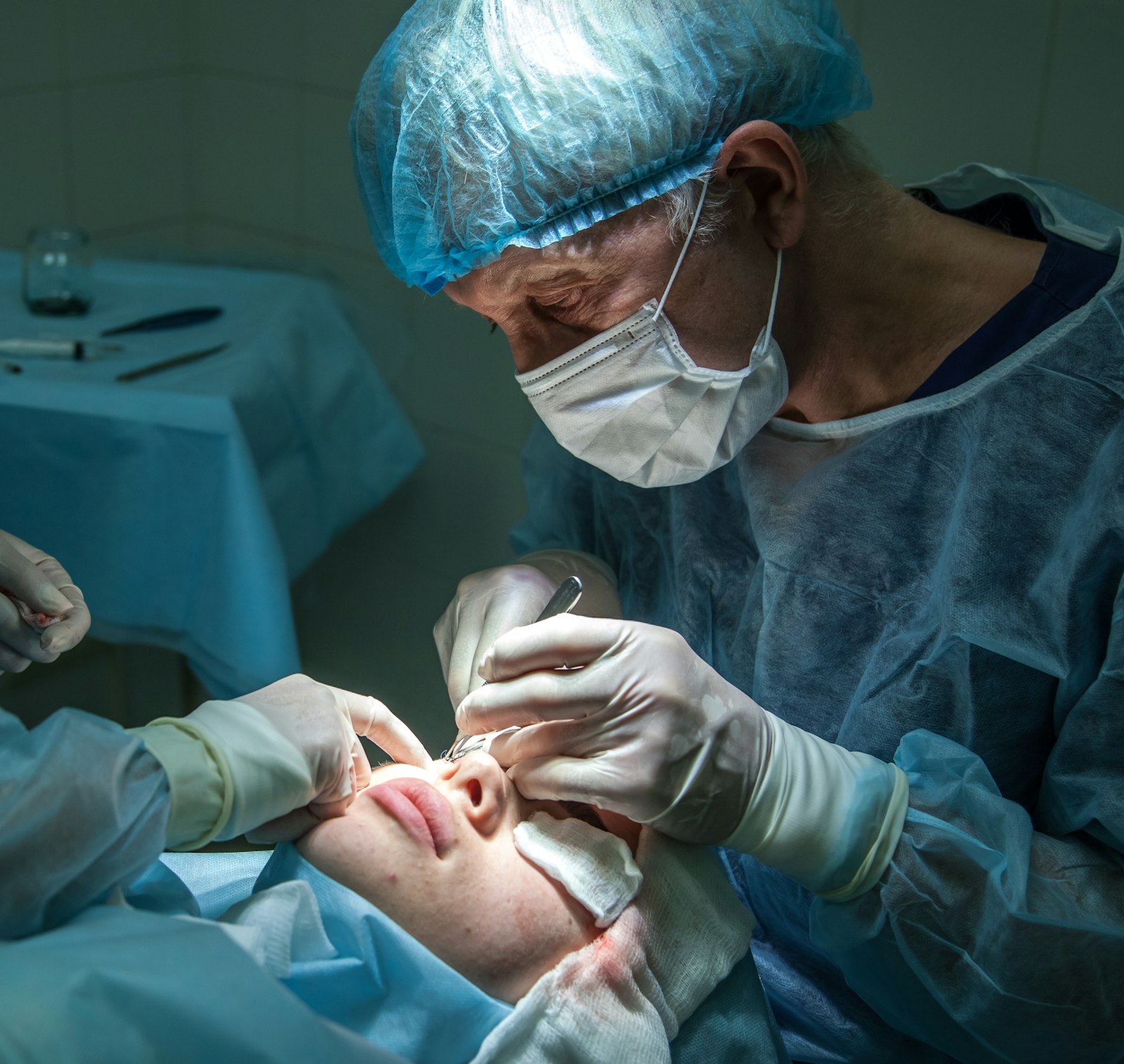
ICL is an implantable lens for people refused laser correction because of thin corneas or a high prescription — how it works, what the examination has to confirm, and what it costs in Turkey from €4,700 for both eyes.
SMILE Relex starts from €2,390 and LASIK from €1,390 for both eyes in Turkey, and this comparison sets out exactly what the €1,000 difference buys and who actually needs it.
A practical guide to preparing for knee replacement surgery in Turkey, from sending your imaging to what happens on the day of surgery.