How many days each eye operation needs in Antalya, how the days are structured, what to bring, and why the sea and the sun matter more here than anywhere else.
02.10.2026
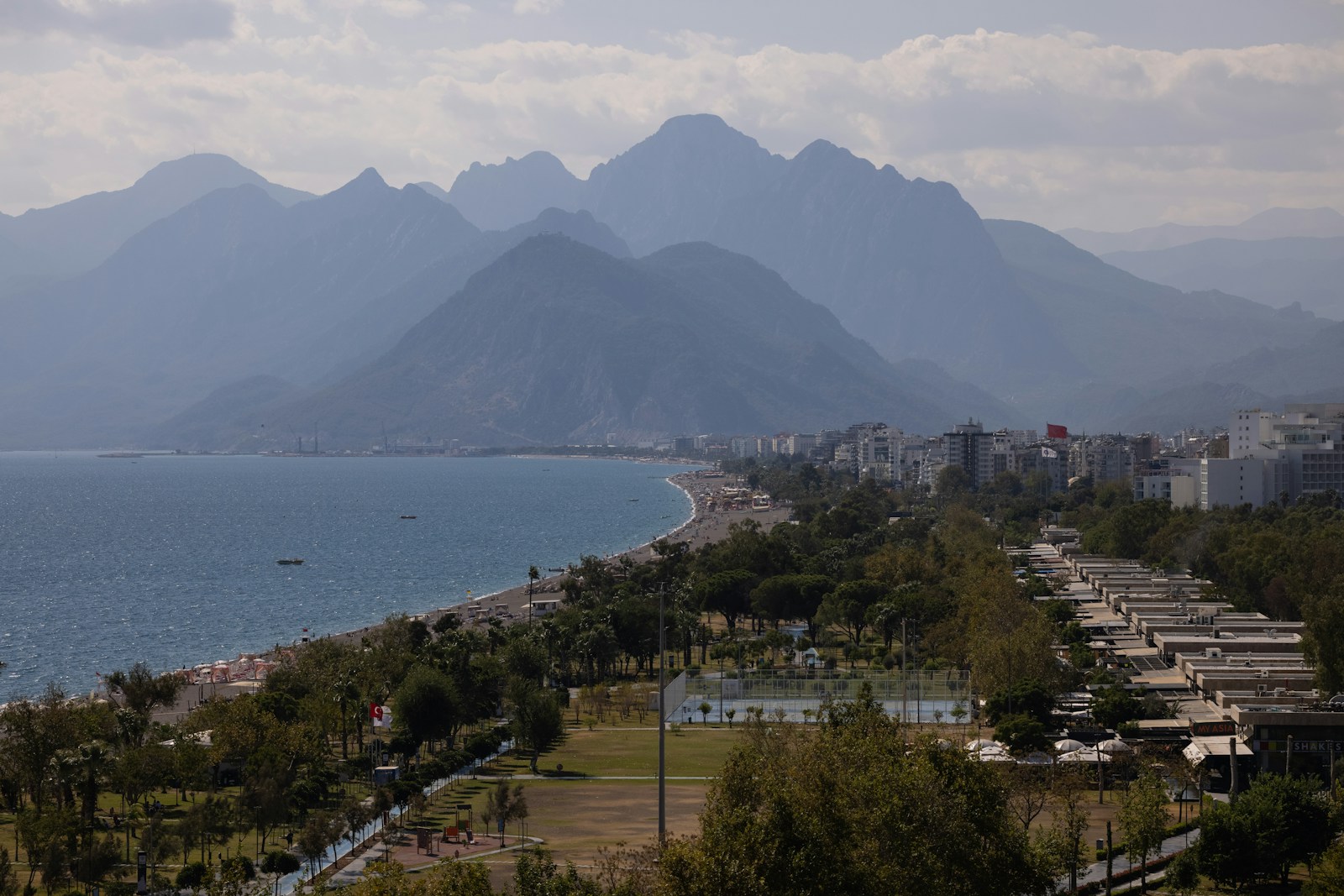
Eye operations are short. What decides whether the trip works is everything around them: when the examination happens, how many check-ups must fit in before your flight home, and who takes you back to the hotel afterwards when you cannot see well enough to read a sign. Antalya is a good city for this because it is small — the airport is close to the centre, the traffic is nothing like Istanbul's, and getting from the hotel to the clinic twice in three days is a fifteen-minute drive rather than an hour of planning. MedAgent is based here, which is why we know the sequence rather than guessing at it.
Add a day if you are arriving on a late flight, and do not book the return for the morning after surgery, however well you feel. When it is safe to fly after each procedure covers this properly.
Day of arrival. Transfer from the airport, hotel check-in, nothing else. If you wear contact lenses, you will have been asked to stop days earlier — lenses change the corneal measurements, and arriving in them means the examination has to be repeated.
Day one. The examination: topography, tomography, pachymetry, pupil and tear-film measurements, pressure, a dilated retinal check. An hour or two, and the recommendation comes out of it. For laser correction, surgery usually follows the same day or the next morning.
Day two. First check-up, drops reviewed. Vision is functional but not finished — most people read a phone screen and nothing smaller.
Day three. Second check-up, documents and discharge summary handed over, and the drops you continue at home explained in your own language. Then the flight.
Not for the surgery — for the twenty-four hours after it, when you cannot drive, reading is hard, bright light is uncomfortable, and someone needs to hand you the right bottle of drops at the right hour. One person is enough and it makes the trip much easier. If you are travelling alone, say so in advance; the schedule and transfers get planned differently.
Your current prescription on paper, any corneal scans or reports you already have, a list of medications you take, and sunglasses — proper dark ones, not a fashion pair. Everything else is available here. Scans from home are genuinely valuable: an older topography compared against a new one is how progression gets proved, and that comparison changes treatment decisions. Prices by procedure · which method your prescription allows.
People come to Antalya and plan a holiday around the operation. This is the single most common mistake. After almost every eye procedure the sea, the pool, the hammam and the hotel spa are off the list for two to four weeks, and strong sun is a problem rather than a bonus — photophobia is real in the first week and UV exposure on a healing cornea is to be avoided, not enjoyed.
That does not mean the trip has to be grim. Walking in the old town, eating well, a boat trip in the second week once your surgeon clears it — all fine. The pattern that works is treatment first, holiday later, ideally on a separate trip. The six stages of recovery explains why the order matters.
Istanbul has more hospitals and more subspecialty depth, and for rare retinal or oncological eye work that can be the deciding factor. For refractive surgery, cataract, cross-linking and rings — which is most of what patients travel for — Antalya offers the same technology with far less friction: a shorter transfer, lower accommodation costs outside peak season, and a clinic you can reach twice in a day without losing the day to traffic. We will say plainly when a case belongs in Istanbul instead. All partner hospitals · how the coordination works.
Flights depend entirely on where you start and the season. Hotels in Antalya swing widely between July-August and the rest of the year, which is worth knowing when you choose dates — the same room can differ by a factor of two or three. Airport transfers, hospital transfers and translation are arranged by MedAgent and quoted before you commit; the surgery itself is paid directly to the hospital at hospital prices. Flights, visas and accommodation · price overview.
Do I need a visa?
It depends on your nationality, and it is one of the first things we check for you. Many of our patients travel visa-free or on an e-visa.
Can I combine an eye operation with a check-up?
Yes, and it is a sensible use of the days when you are already here. Check-up programmes run in the same hospitals.
Will someone speak my language?
Yes. We coordinate in Russian, Macedonian, English and Turkish, and a coordinator is with you at the hospital appointments.
What if something goes wrong after I get home?
You keep your discharge documents and scans, and we stay reachable — we can put you back in contact with your treating surgeon in Turkey. That continuity is the main thing an agency is actually for. Hospital, clinic or agency: who are you buying from.
How do I start?
Send your prescription and any scans. You get an individual proforma, usually within one working day, free and with no obligation. Start here.
This page is general information, not medical advice. Timelines vary by patient and procedure and are determined individually by a licensed doctor.
Send us what you already have — the pathology report, imaging on disc, discharge summaries. A specialist at a partner hospital will review it and tell you what is realistic in your case and how quickly treatment could begin. Reviewing your documents costs nothing and commits you to nothing.
Send your documents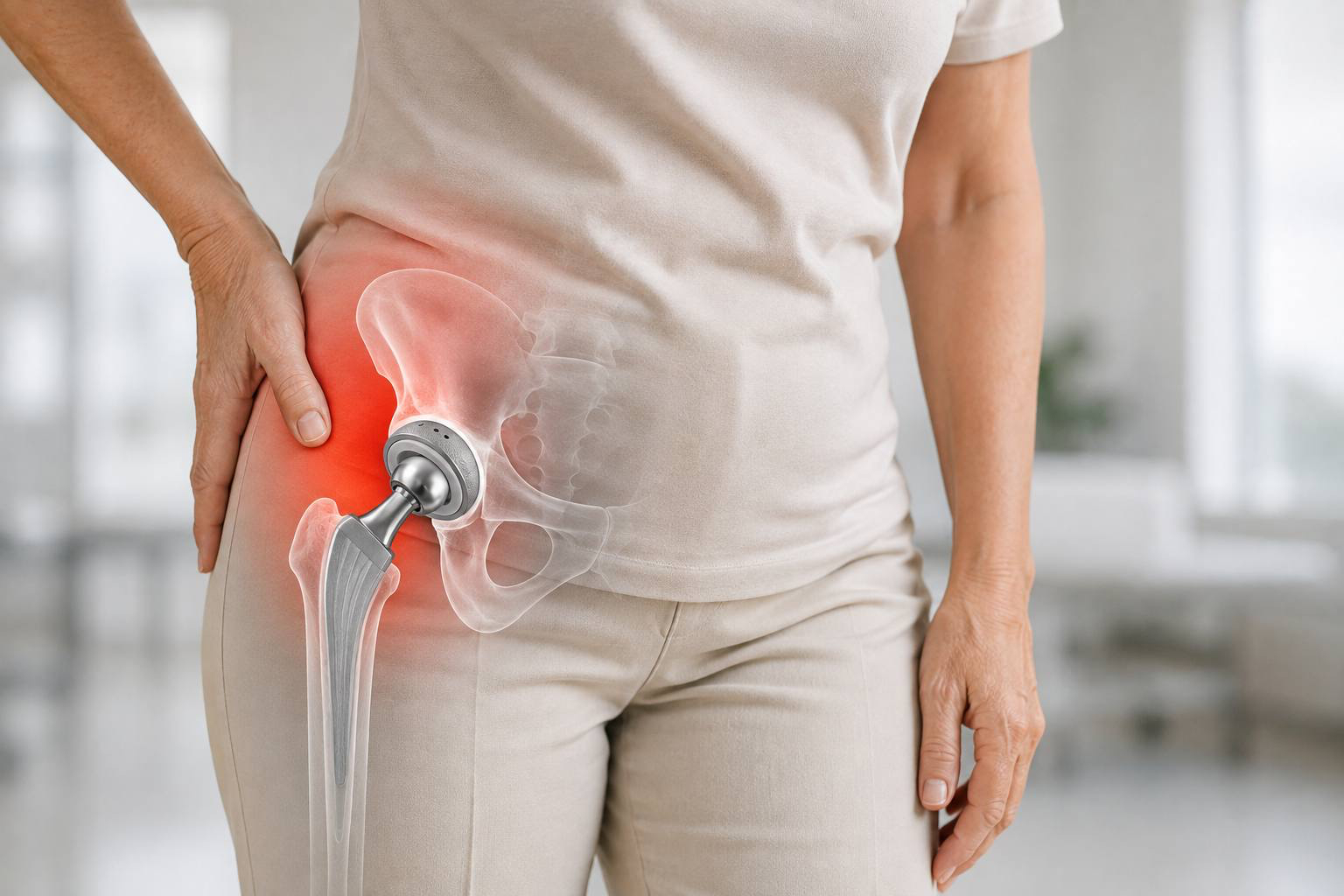
A practical plan for a hip replacement trip to Turkey: what to send the surgeon, how long to stay, what the package covers and how to arrange physiotherapy at home.
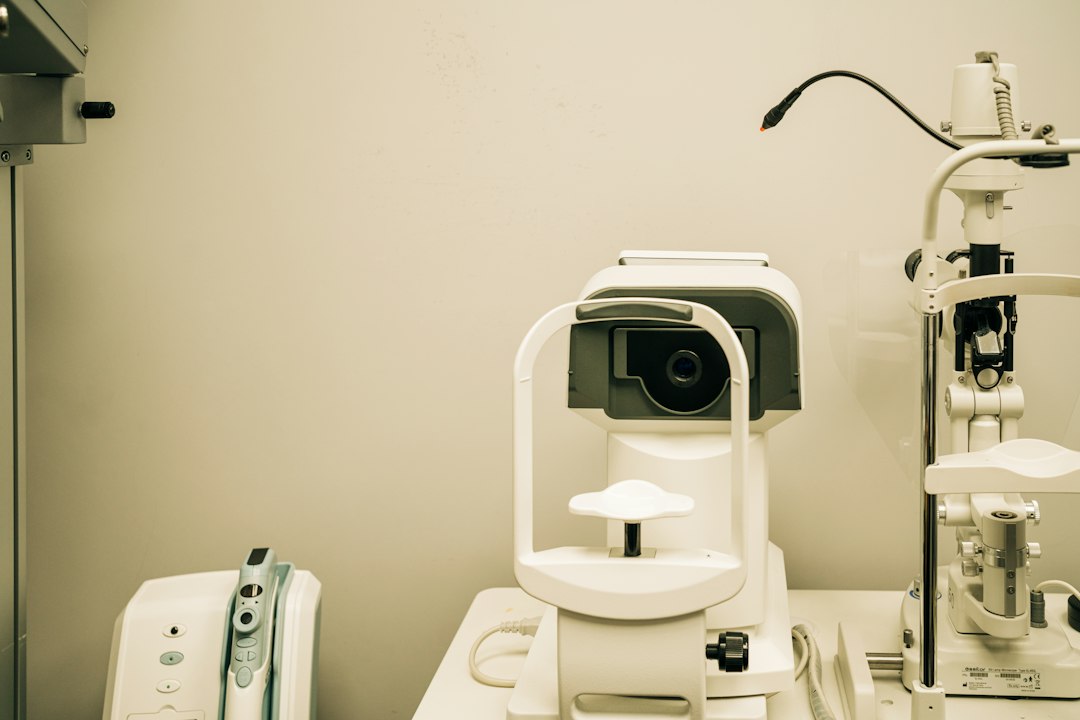
Cross-linking, corneal rings, lenses or a transplant — which keratoconus treatment matches which stage, what each costs in Turkey, and why the order matters more than the choice.
The diopter ranges, corneal thickness and age limits that decide between LASIK, SMILE, PRK and an ICL lens — and the four measurements no quote is honest without.