The diopter ranges, corneal thickness and age limits that decide between LASIK, SMILE, PRK and an ICL lens — and the four measurements no quote is honest without.
02.10.2026
Almost everyone arrives with a method already in mind, usually the one a friend had or the one they saw advertised. It rarely survives the examination. Vision correction is a matching problem: the surgeon fits a technique to your prescription, your corneal thickness and the shape of your cornea, and a clinic that promises you a specific method before measuring any of that is guessing. This page sets out which prescriptions each method actually covers, what rules a method out, and what you can work out for yourself before you travel.
Three figures matter. Sphere (SPH) is the strength of the correction — negative for myopia, positive for hyperopia. Cylinder (CYL) is astigmatism. Axis says where the astigmatism sits. A prescription like −4.50 −1.25 x 180 is a moderate myopia with mild astigmatism, and sits comfortably inside the range of several methods. One like −13.00 does not, and no amount of shopping around will change that.
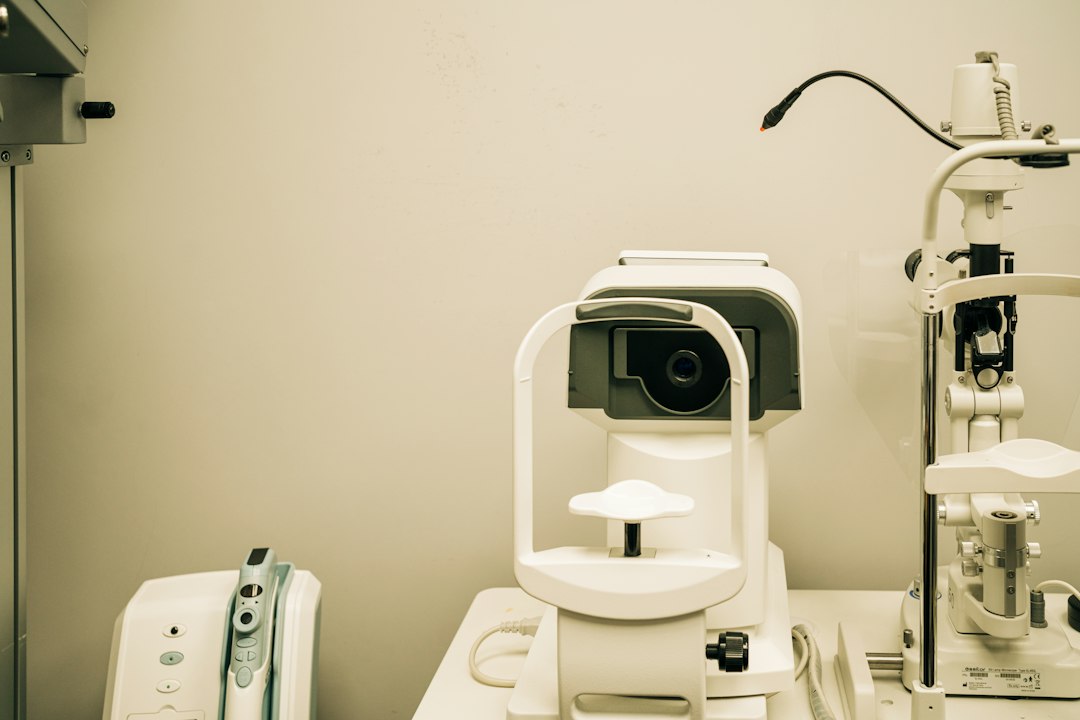
A fourth figure is not on your optician's paper and is the one that most often decides the outcome: corneal thickness, measured in micrometres by pachymetry. It is measured in the clinic, not at the optician.
Keratoconus, or a topography that merely suggests it. Laser thins the cornea further, so in a cornea that is already weakening it is contraindicated. The treatment that comes first is cross-linking — see keratoconus treatment options and costs.
A prescription that is still moving. Surgeons want at least twelve months of stability, with no more than about half a diopter of change in the last year. Under 18 almost always means waiting.
Pregnancy and breastfeeding. Hormones shift the refraction; the operation is postponed rather than refused.
Untreated severe dry eye, active eye inflammation, uncontrolled diabetes, some autoimmune conditions. Several of these are a question of sequence, not a permanent no — dry eye in particular is often treated first and the surgery done afterwards. More on dry eye and laser surgery.
And a limitation that is not a contraindication but surprises people: laser corrects the optics of the eye, not the brain's use of it. If one eye has been amblyopic since childhood, correction will not restore its vision — why a lazy eye is a different problem.
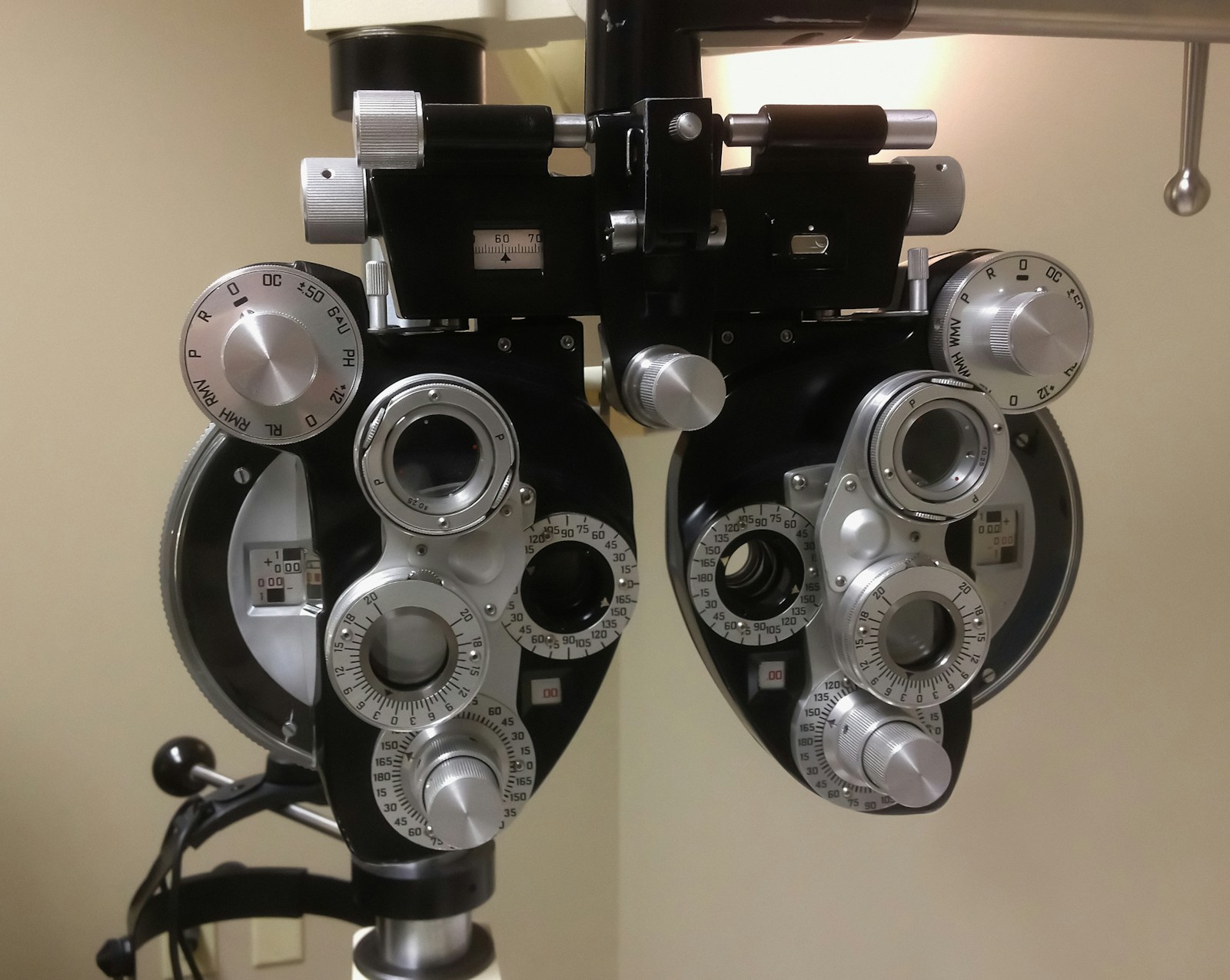
Corneal thickness (pachymetry), corneal shape (topography and tomography, which is what detects early keratoconus), pupil diameter in the dark, which affects night vision after treatment, and the tear film. A fifth for lens candidates: anterior chamber depth and endothelial cell count. Every one of these is measured on the day, and together they take an hour or two. This examination is the product you are buying first, and at our partner hospitals it starts from $150.
Send a photo of your prescription with your age and how long your vision has been stable. From that, our partner ophthalmologists can usually say which methods are plausible and which are already out, and issue an individual proforma within a working day. It is not a diagnosis and it does not replace the examination, but it is enough to know whether you are planning a three-day LASIK trip or a week for an ICL — and enough to avoid booking a flight for an operation you were never a candidate for. Send your prescription.
It happens, and hearing it early is the good outcome. Depending on the reason, the alternative may be an ICL instead of laser, cross-linking before anything else, a lens replacement rather than a corneal procedure, or simply better-fitted glasses or lenses. What comes next if you are turned down goes through each case.
I have −7 with astigmatism. Which method?
Probably LASIK or SMILE, and corneal thickness decides between them. At −7 you are inside the laser range but close enough to the edge that the measurement genuinely matters.
I have −12. Is laser possible?
Generally not. That is ICL territory, and the result at that prescription is usually better with a lens than it would have been with laser even if laser were possible.
Can both eyes be done on the same day?
Yes, that is the standard for laser and for ICL, and it is why prices are quoted for both eyes.
Will I still need reading glasses?
If you are over about 45, very likely — distance correction does not prevent presbyopia. Surgeons discuss monovision or a presbyopia-correcting lens for exactly this.
How long does the result last?
The correction is permanent, but the eye keeps ageing. Most people are stable for decades; a small number need an enhancement later.
Related: What vision correction costs in Turkey · LASIK recovery · SMILE recovery · ICL recovery · Partner hospitals
This page is general information, not medical advice. The ranges above are typical and vary by platform and by surgeon; suitability is determined individually by a licensed doctor after examination.
Send us what you already have — the pathology report, imaging on disc, discharge summaries. A specialist at a partner hospital will review it and tell you what is realistic in your case and how quickly treatment could begin. Reviewing your documents costs nothing and commits you to nothing.
Send your documents
A practical plan for a hip replacement trip to Turkey: what to send the surgeon, how long to stay, what the package covers and how to arrange physiotherapy at home.
How many days each eye operation needs in Antalya, how the days are structured, what to bring, and why the sea and the sun matter more here than anywhere else.
Cross-linking, corneal rings, lenses or a transplant — which keratoconus treatment matches which stage, what each costs in Turkey, and why the order matters more than the choice.