Sleeve and bypass work differently and suit different patients; here is how a bariatric surgeon in Turkey weighs the choice.
10.10.2026

Patients often arrive with a preference: the sleeve because it is simpler, or the bypass because someone online said it works better. Bariatric teams in Turkey start from a different question: what are your health conditions, your eating pattern and your long-term follow-up options? This guide explains how that decision is usually made.
The gastric sleeve removes a large part of the stomach and leaves a narrow tube, so you feel full sooner and hunger signals change. The intestine is not rerouted. The gastric bypass creates a small pouch and connects it further down the small intestine, so food skips part of the digestive tract. It changes both how much you eat and how much is absorbed.
The sleeve is the most commonly performed operation in Turkey and the one covered by the all-inclusive package from €2,800. It is often chosen for patients without significant reflux, who want a procedure with no intestinal rerouting and a lower risk of absorption-related deficiencies. It is still a serious operation, and lifelong vitamin supplementation still applies.
Where there is significant acid reflux, or type 2 diabetes that is hard to control, many surgeons prefer a bypass. Because the sleeve can worsen reflux in some people, this is one of the main clinical reasons a team may recommend the other operation, even if you came in asking for a sleeve.
Expect a full assessment: BMI (generally 40 or above, or 35 or above with a weight-related condition), medical history and medication, previous weight-loss attempts, blood work, cardiology and anaesthetic clearance, and usually an upper endoscopy. Some patients are asked to lose weight first or treat another condition, and some are told surgery is not right for them.
Both operations need a staged return to food over roughly two months, small portions permanently, vitamin B12, iron and calcium for life, and regular blood tests. Weight change unfolds over roughly 12 to 18 months and varies between people. Regain is possible if habits and follow-up drift, and no figure can be promised for your body.
The standard package is 4 days and 3 nights, with assessment on day one and surgery on day two. A bypass may need a different schedule, so confirm the plan with the clinic. Book flexible flights, because you fly home only when the surgeon clears you. See our day-by-day guide to gastric sleeve recovery for the weeks that follow.
Can I choose the operation myself?
You can state a preference, but the surgeon confirms which procedure is suitable after reviewing your medical details.
Is the bypass included in the €2,800 package?
No. That price covers the gastric sleeve. A bypass is quoted separately after the surgeon's review.
Which one gives more weight loss?
Results depend on the individual, on eating habits and on follow-up, so we publish no figures. Your surgeon can discuss what is realistic in your case.
This page is general information, not medical advice. Suitability, technique and results are determined individually by a licensed surgeon.
Send us what you already have — the pathology report, imaging on disc, discharge summaries. A specialist at a partner hospital will review it and tell you what is realistic in your case and how quickly treatment could begin. Reviewing your documents costs nothing and commits you to nothing.
Send your documents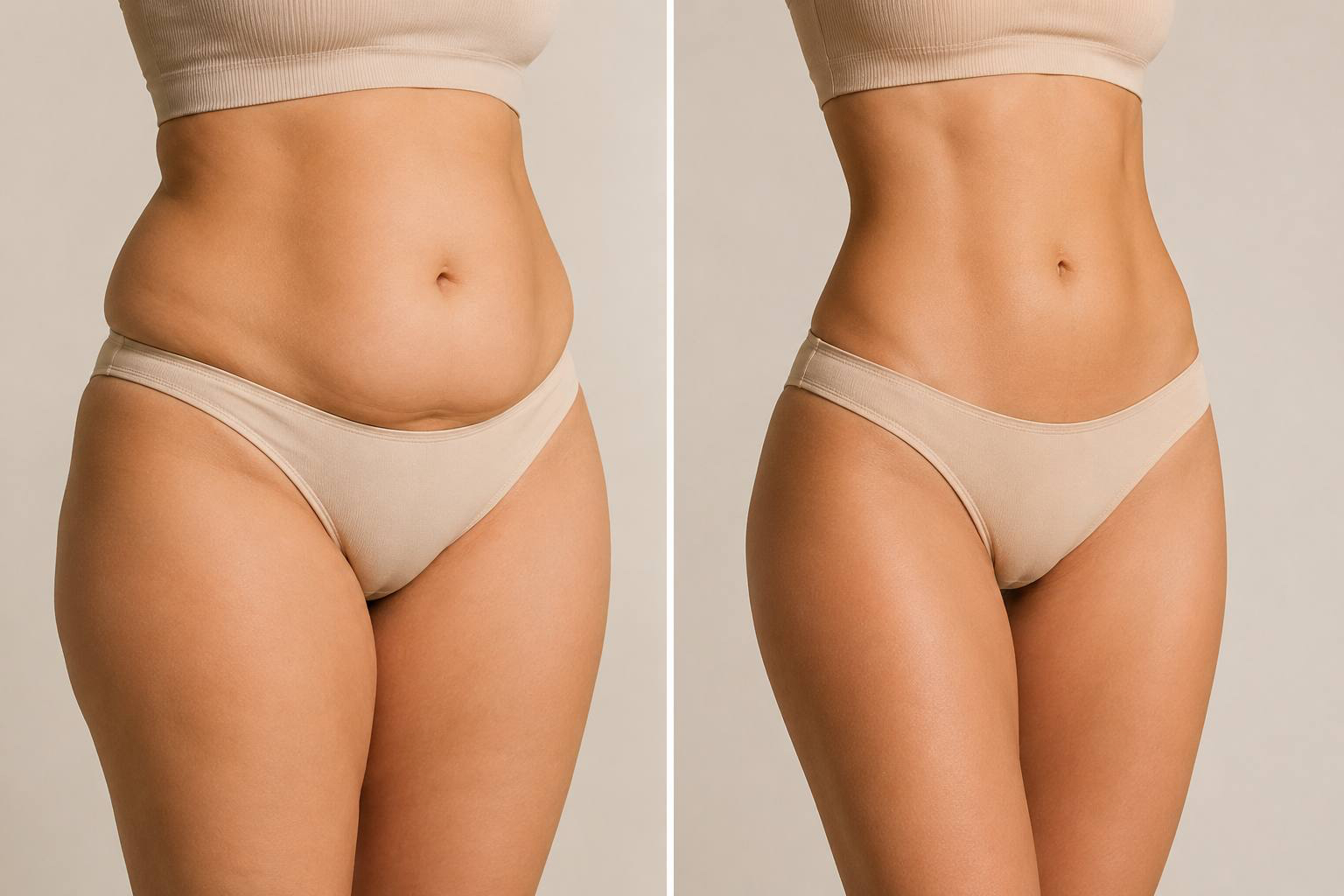
Liposuction removes fat while a tummy tuck also tightens muscle and removes loose skin — here is how to tell which one (or both) suits you.
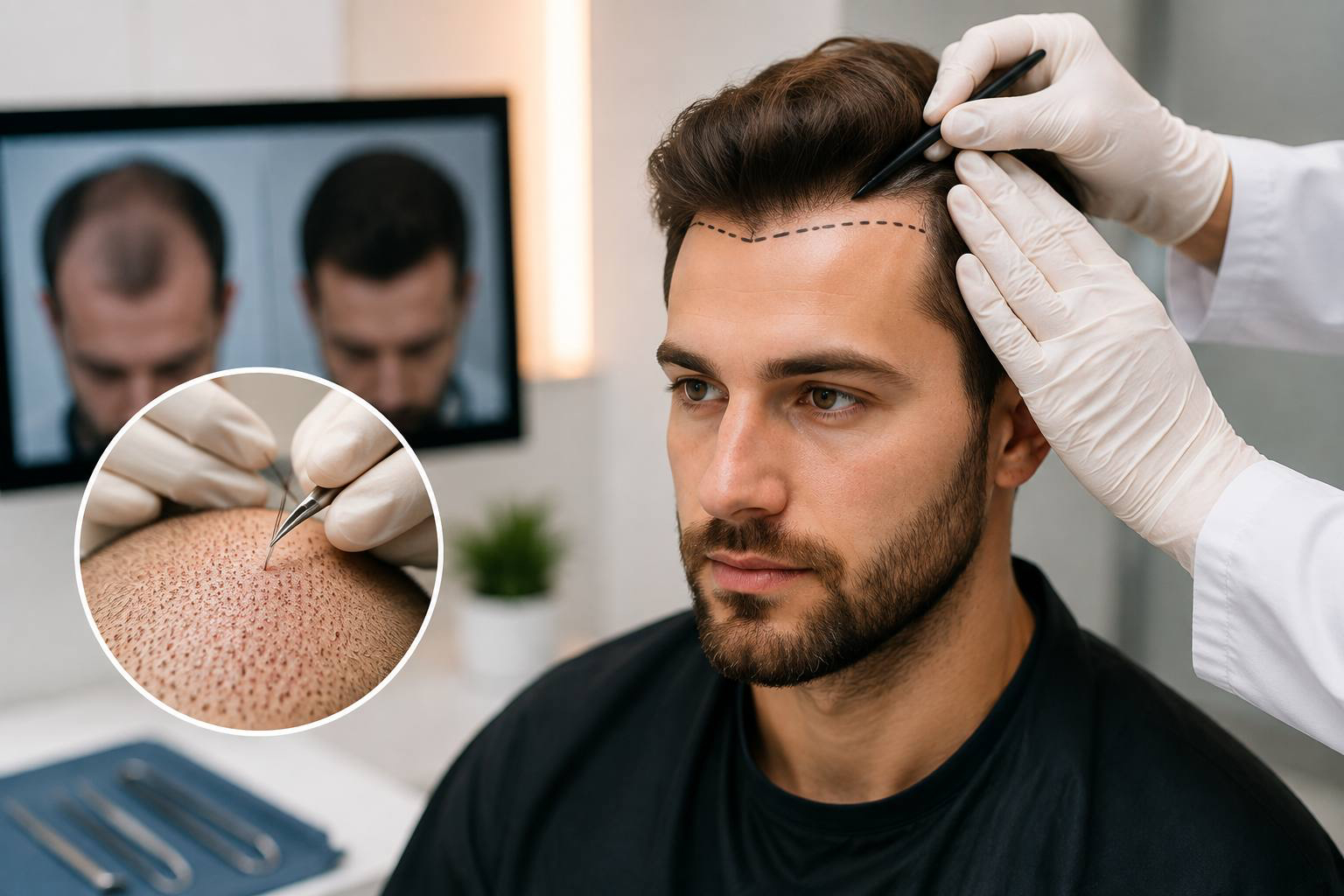
Transplanted hairs shed in weeks two to six and regrow from month three or four — here is the month-by-month regrowth timeline and what is normal.
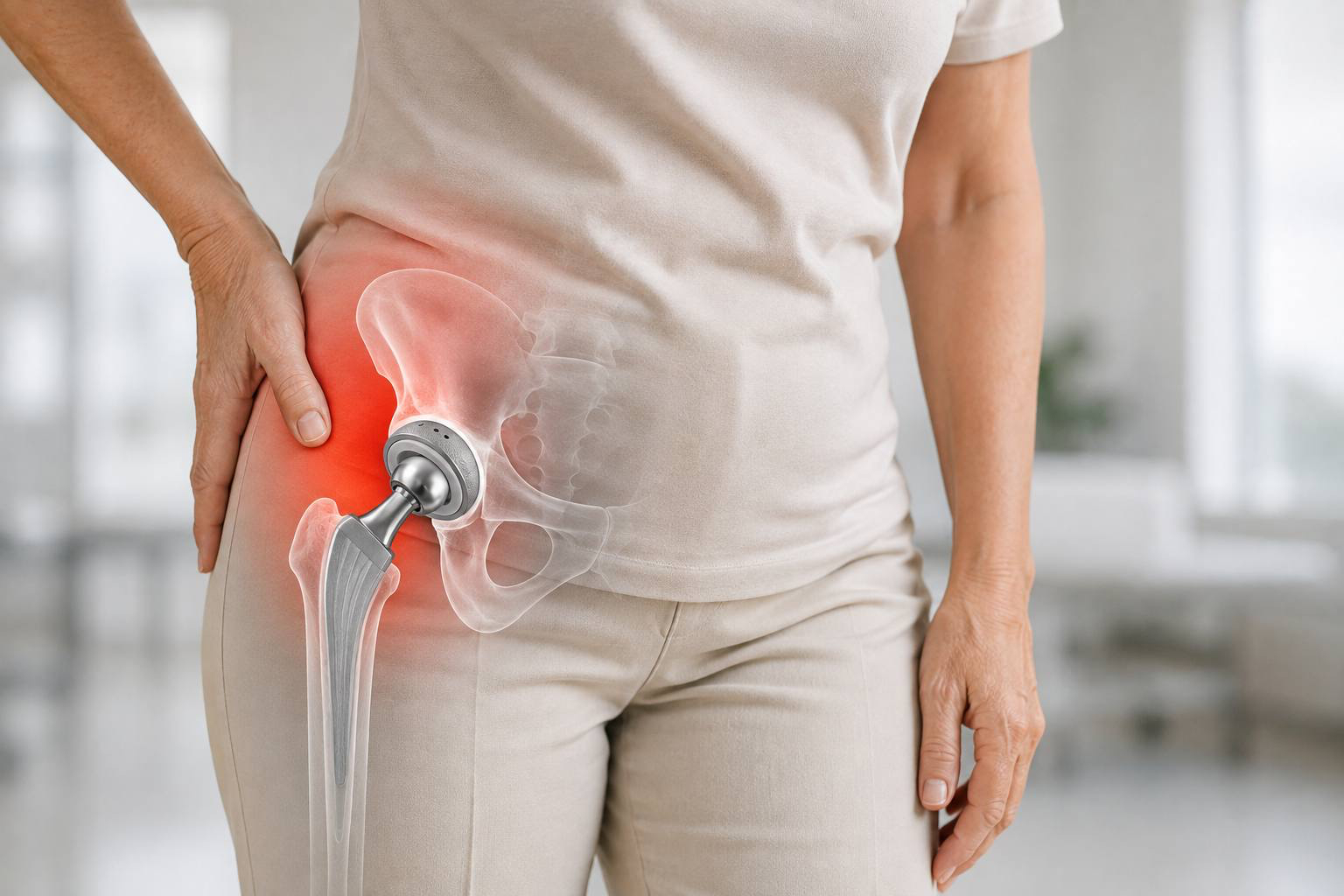
A practical plan for a hip replacement trip to Turkey: what to send the surgeon, how long to stay, what the package covers and how to arrange physiotherapy at home.