Transplanted hairs shed in weeks two to six and regrow from month three or four — here is the month-by-month regrowth timeline and what is normal.
08.10.2026
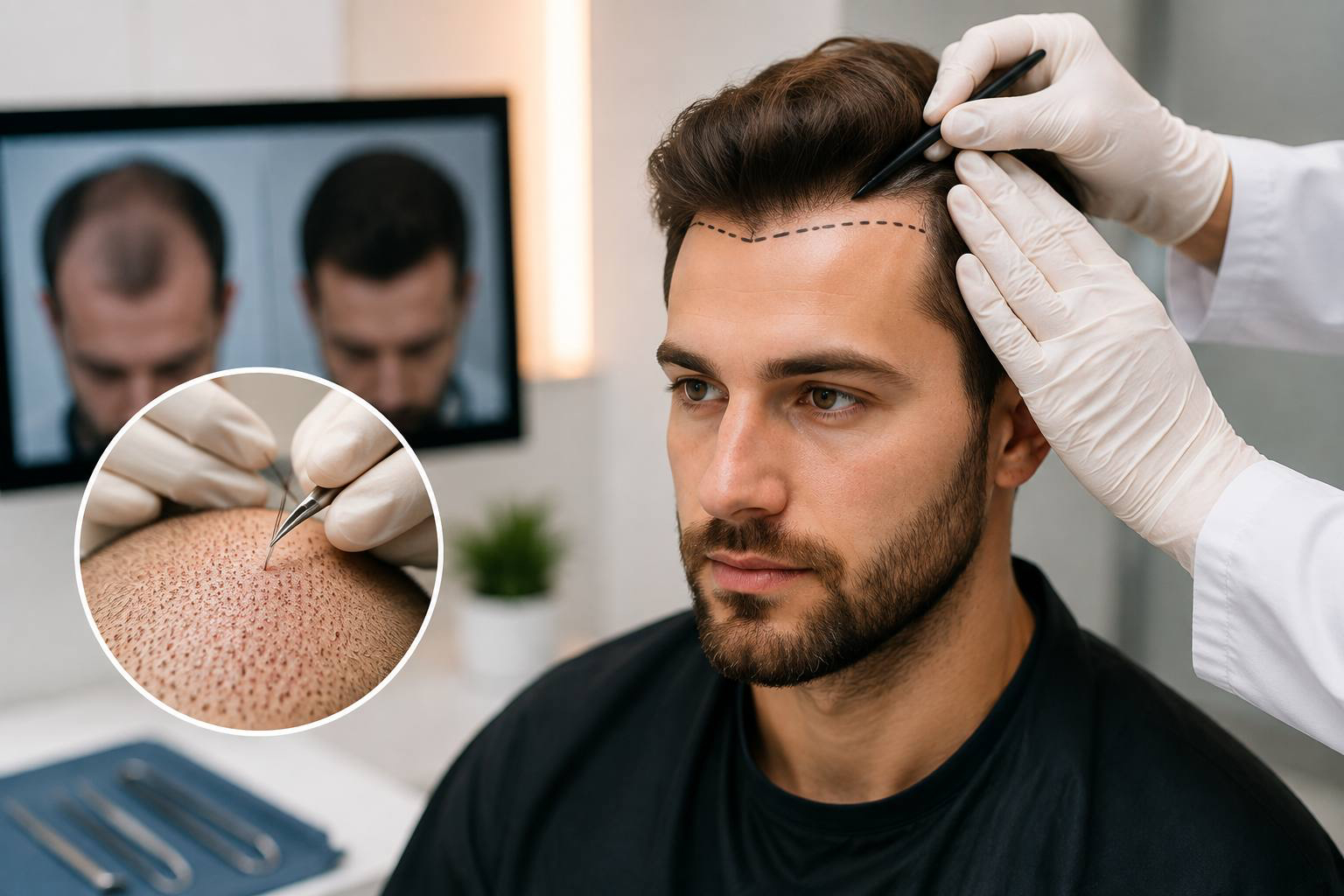
Almost every hair transplant patient sees the transplanted hairs fall out within the first six weeks, and many assume something went wrong. In fact the follicle stays safely under the skin while the hair shaft sheds, and a new hair grows from it a few months later. Here is what to expect, month by month, and how it fits with the week-by-week recovery timeline for hair transplants from €2,000.
Moving a follicle puts it into a resting phase. The visible shaft falls out, but the follicle itself — the part that produces hair — remains in the scalp and restarts its growth cycle on its own schedule. This is why surgeons talk about the result at twelve months rather than twelve days.
The scalp is red, small crusts form around each graft, and the donor area at the back feels tender. At the first wash the day after surgery the clinic shows you how to loosen crusts gently. Most crusts come away by about day ten, taking some of the hair shafts with them. At this stage the hairs you see are still the transplanted ones.
Between roughly weeks two and six the transplanted shafts fall out. The area can look as thin as before surgery, or thinner. Some patients also notice shock loss — temporary shedding of native hair near the recipient area — which is also expected to regrow. This is the point at which people panic and write to us; if the follicles were placed correctly, nothing is lost.
Very little seems to happen. You may see small spots of acne-like pimples as the new hairs start to push up, which are usually harmless. Growth restarts around month three or four with fine, pale, wispy hairs that look nothing like the final result.
The new hairs thicken and darken month by month. By month six many patients see around half of the final density, by month nine most of it, and the honest assessment is at twelve months. Some hairlines and crown areas take up to eighteen months to fully mature.
Get in touch if you see spreading redness with swelling or pus, fever, severe pain that is getting worse instead of better, or no new growth at all by month six. Hair loss in untreated areas will continue over the years, which is why surgeons often keep patients on medication such as finasteride or minoxidil to protect native hair — a transplant redistributes hair, it does not cure hair loss.
Is shedding a sign the transplant failed?
No. Shedding of the transplanted shafts in weeks two to six is normal and expected. Failure would show as no regrowth at all by about month six to nine.
Can I speed up regrowth?
Not dramatically. Following the aftercare plan, avoiding smoking and sun on the scalp, and using the medication your surgeon recommends is what helps. PRP sessions are sometimes suggested but are not a guarantee.
When can I judge my final result?
At about twelve months, sometimes up to eighteen. Photos taken at the same angle and light each month make the progress easier to see.
This page is general information, not medical advice. Suitability, technique and results are determined individually by a licensed surgeon.
Send us what you already have — the pathology report, imaging on disc, discharge summaries. A specialist at a partner hospital will review it and tell you what is realistic in your case and how quickly treatment could begin. Reviewing your documents costs nothing and commits you to nothing.
Send your documents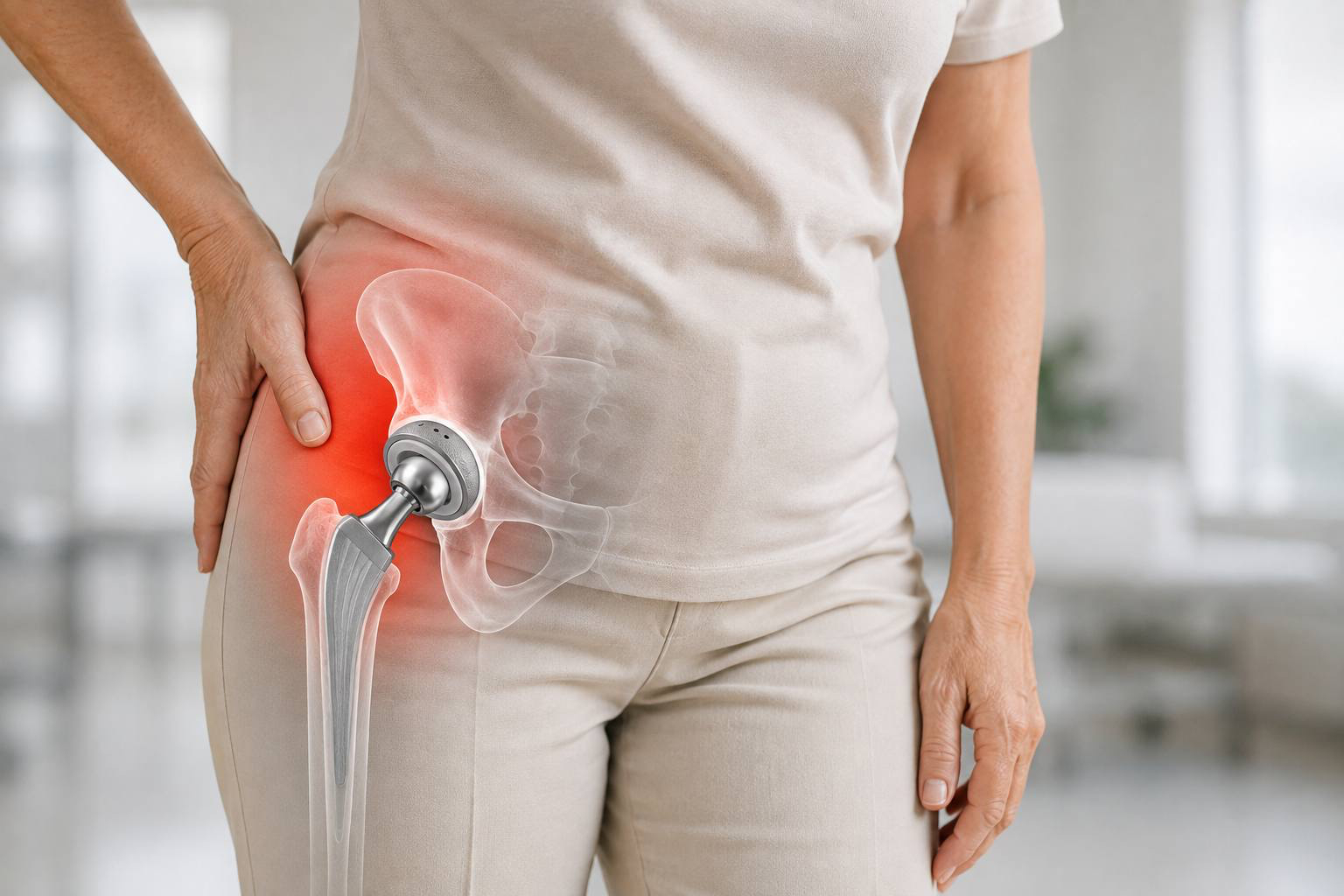
A practical plan for a hip replacement trip to Turkey: what to send the surgeon, how long to stay, what the package covers and how to arrange physiotherapy at home.

How many days each eye operation needs in Antalya, how the days are structured, what to bring, and why the sea and the sun matter more here than anywhere else.
Cross-linking, corneal rings, lenses or a transplant — which keratoconus treatment matches which stage, what each costs in Turkey, and why the order matters more than the choice.