A realistic recovery timeline after intracorneal ring segment implantation for keratoconus in Turkey, from the first blurry days to when vision finally settles.
07.09.2026

Intracorneal ring segments are one of the gentler corneal procedures: no tissue is removed, the channel is made with a femtosecond laser, and each eye is done in roughly 15 to 20 minutes. That makes the physical recovery unusually quick. What takes longer is the visual recovery, because the cornea slowly settles around the implants and your sight fluctuates while it does. Patients who expect sharp vision on day three are the ones who worry unnecessarily; patients who know the real curve tend to have a calm, uneventful few months. Here is what to expect after ICR in Turkey, stage by stage.
Because no surface layer is stripped away, the first days after ICR are milder than after cross-linking or laser surface treatments. Expect watering, light sensitivity, a scratchy foreign-body sensation and noticeably blurred vision — the eye knows something new is in there. Most patients describe it as irritating rather than painful, and simple painkillers are usually enough. Antibiotic and anti-inflammatory drops start straight away, on a fixed schedule. Spend these two days resting with the lights low and sunglasses to hand, and do not touch the eye at all. If both eyes were treated in the same session, which is common, plan for someone to be with you.
The irritation typically fades within three to five days, and by the end of the first week most patients feel physically normal. Vision is a different story: it is often hazy, doubled at the edges, or oddly variable between morning and evening. This is expected. The segments have changed the cornea's curvature, the tissue around the channel is still slightly swollen, and your brain has not yet adapted to a new optical shape. Your surgeon sees you for a check-up in this window to confirm segment position and that the channel is settling cleanly. Keep water, dust and eye makeup away, sleep on your back where possible, and use a protective shield at night if you were given one.
This is where the actual benefit starts to appear. Uncorrected vision usually improves week by week as the cornea flattens and regularises around the segments, though it still fluctuates day to day. Halos and glare around lights at night are common in this period and usually diminish. Most people are back at desk work within a few days and to normal exercise by two to four weeks, with swimming, the sea, hammams and dusty or high-impact sports held back until your surgeon clears them. Drops are tapered on the schedule you were given — finish the course even once the eye feels completely fine.
Because both eyes are usually treated in one visit, most patients stay in Turkey for around four to seven days, so the first post-operative check happens before departure. Flying is safe once that check is done; cabin air is very dry, so lubricating drops in your hand luggage matter more than anything else you pack. MedAgent arranges the follow-up appointments before you leave and sends your corneal topography and operative notes with you, so your ophthalmologist at home can repeat the scans and compare them properly.
Vision generally stabilises around the three-month mark, and that is when glasses or contact lenses are re-measured — earlier prescriptions will simply be wrong. The honest expectation is important here: ICR is not a procedure that removes your need for correction. It makes an irregular, cone-shaped cornea flatter and more regular, so that uncorrected vision improves and, just as importantly, glasses and contact lenses fit and work far better than they did. Many patients who could no longer tolerate lenses can wear them again. What ICR does not do is halt keratoconus itself, which is why surgeons often pair it with corneal cross-linking, at the same session or separately, to stabilise the cornea long-term. If the result is not what you hoped, the segments can be repositioned or removed — a genuine advantage over irreversible procedures.
Contact your surgeon or a local ophthalmologist promptly if pain increases after day three or four instead of easing, if the eye becomes markedly red with thick discharge, if vision drops sharply rather than drifting gently, or if you have a persistent sensation that something is moving in the eye. Segment migration and infection of the channel are both uncommon, but both are treatable and both are best caught early. MedAgent stays reachable after you fly home and can connect you with your treating surgeon in Turkey if anything looks wrong.
Will I still need glasses or contact lenses after ICR?
Usually yes, but with a much better outcome than before — the point of the procedure is to make correction work well again, not to eliminate it.
Can both eyes be treated on the same trip?
Yes. Both eyes are commonly done in one visit, which is why most patients only need a single trip to Turkey for the procedure itself.
Do I need cross-linking as well?
Often, yes. ICR improves the shape of the cornea while cross-linking is what stops keratoconus progressing, so surgeons frequently recommend both — sometimes at the same session.
This page is general information, not medical advice. Suitability, technique and results are determined individually by a licensed doctor.
Send us what you already have — the pathology report, imaging on disc, discharge summaries. A specialist at a partner hospital will review it and tell you what is realistic in your case and how quickly treatment could begin. Reviewing your documents costs nothing and commits you to nothing.
Send your documents
A realistic recovery timeline after strabismus surgery in Turkey, from the red eye and double vision of the first days to the point where the alignment finally settles.
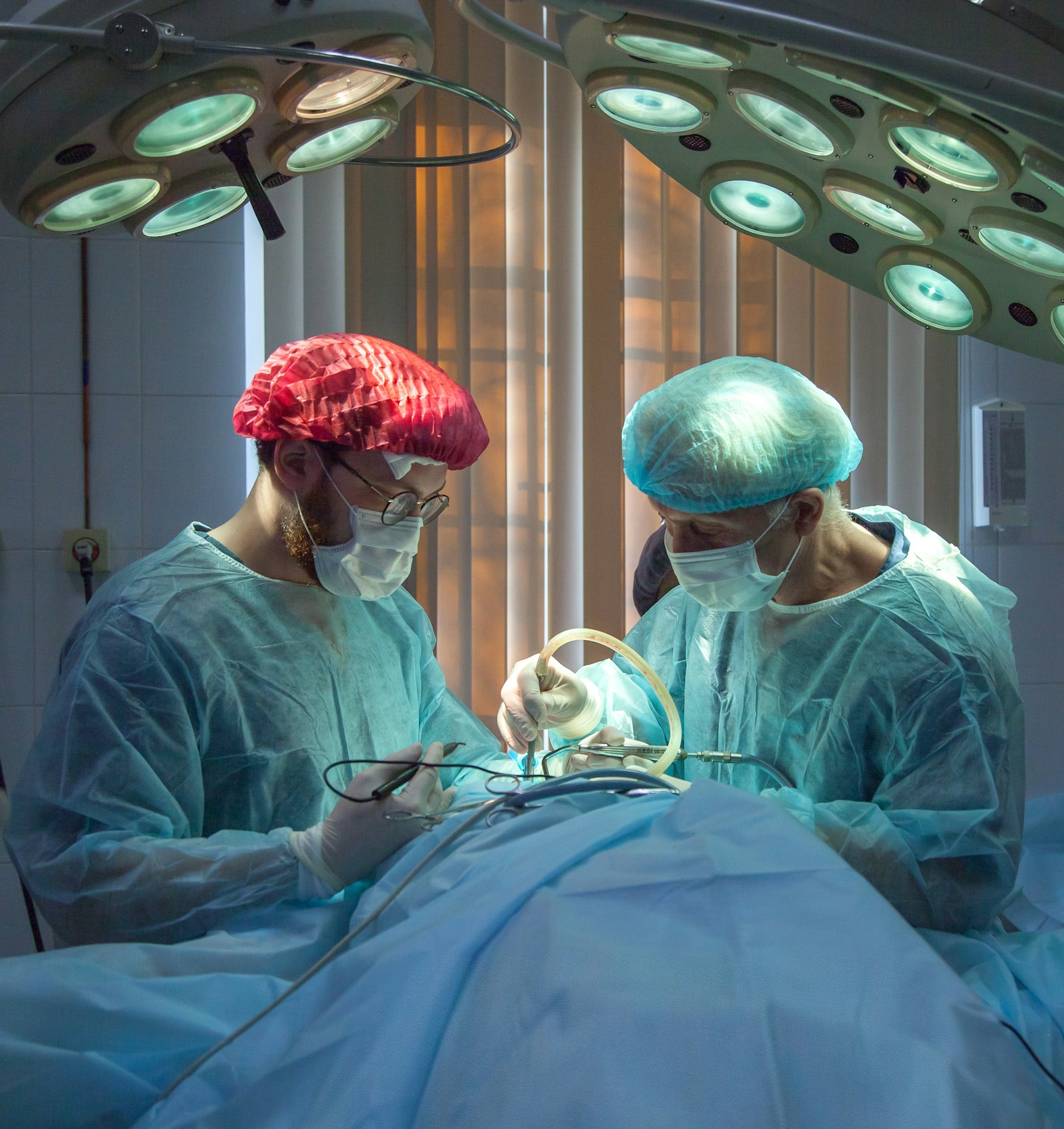
A realistic week-by-week guide to recovering from vitrectomy retina surgery in Turkey, including head positioning, the gas bubble, and when it is safe to fly home.

A realistic week-by-week guide to recovering after trabeculectomy or valve surgery in Turkey — and why the follow-up schedule matters more than the operation itself.