A practical guide to preparing for knee replacement surgery in Turkey, from sending your imaging to what happens on the day of surgery.
14.09.2026
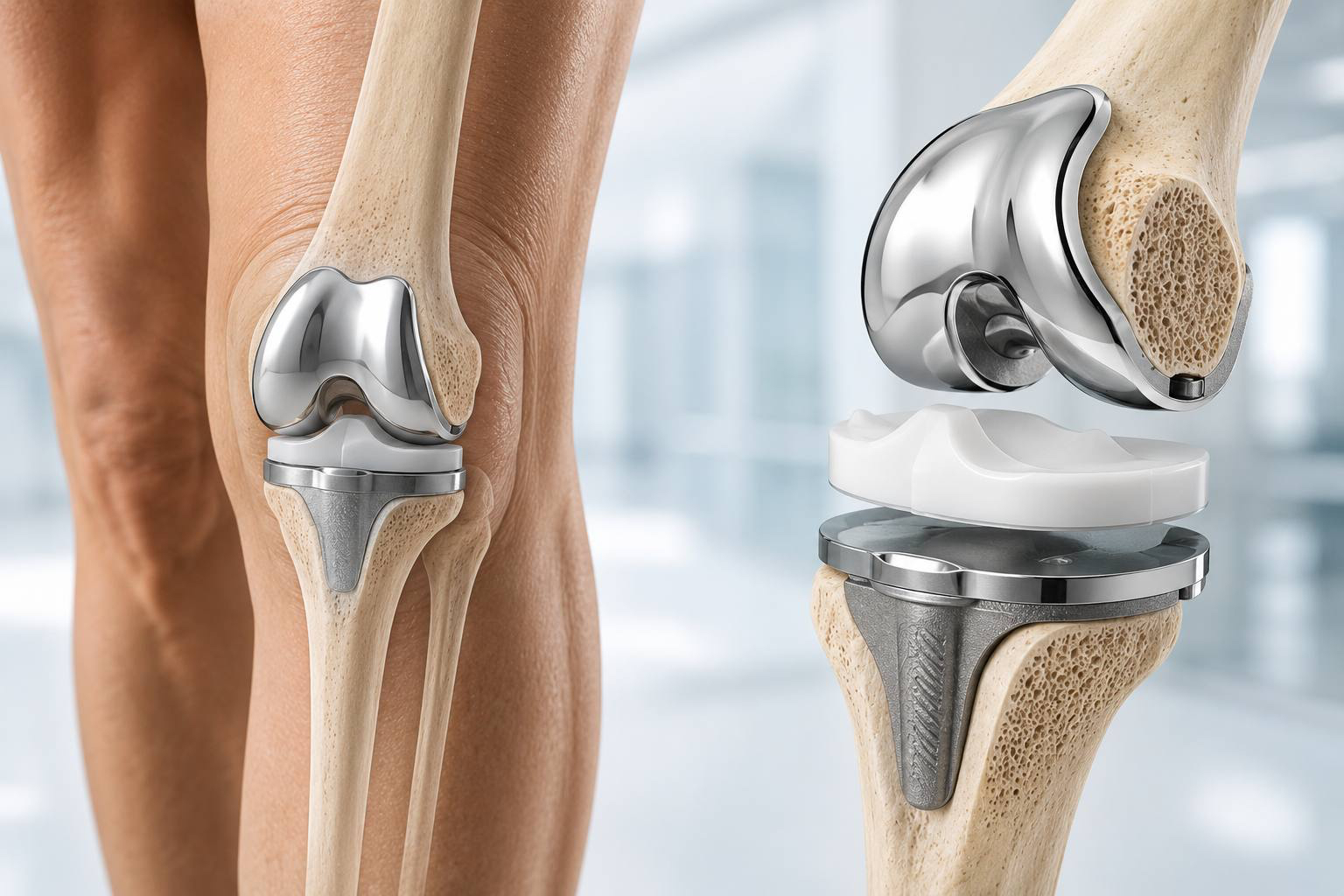
Most people planning knee replacement surgery abroad focus on the operation itself — but the trip that gets you there safely, and the days immediately around surgery, matter just as much for a smooth outcome. Here is what actually happens, from your first message to MedAgent to the moment you leave the hospital.
The process starts with your existing X-rays or MRI scans and a short medical history. Your orthopedic surgeon reviews these remotely to confirm you are a suitable candidate, decide between single or double knee replacement, and discuss implant options — Turkish-made, US/German, or robotic-assisted total knee arthroplasty. This is also when you receive a personalized quote, so you know the price tier before committing to dates.
Once the surgical plan is agreed, MedAgent books your surgeon and hospital slot and works backward from the operation date to set your arrival day. Most patients plan for 10-14 nights in Turkey in total, covering the surgery itself and initial physiotherapy before flying home. Hotel accommodation and airport-hospital-hotel transfers are arranged for the whole stay, so this is the point to confirm flights and, if needed, a travel companion.
In the days before travel, most patients complete standard pre-op bloodwork and any medication adjustments their surgeon requests, particularly for blood thinners. It helps to pack loose, comfortable clothing that is easy to put on with limited knee bending, flat supportive shoes, and any walking aid you already use at home — a spare can also be provided locally.
On arrival, an interpreter and coordinator meet you and manage transfers between the airport, hotel and hospital. Before surgery, the hospital repeats key checks — bloodwork, ECG and anesthesia assessment — even if you completed similar tests at home, since anesthesia teams work from their own current results. This is also when your surgeon does a final imaging review and confirms the surgical plan with you in person.
Knee replacement is typically performed under spinal or general anesthesia and takes roughly 1-2 hours per knee. You are moved to a recovery area for monitoring immediately afterward, then to your hospital room once vital signs are stable. Pain management starts right away, and most hospitals encourage sitting up or standing with support the same day or the next morning as part of early mobilization protocols.
Physiotherapy usually begins within a day of surgery, starting with assisted standing and short walks using a frame or crutches. Pain is managed with scheduled medication rather than waiting for discomfort to build, and the surgical team checks the wound and swelling daily. Most patients move from the hospital to a hotel for the remainder of their stay once cleared by the surgeon, continuing physiotherapy sessions before flying home.
How long should I plan to stay in Turkey?
Most patients plan for 10-14 nights in total, which covers the surgery, hospital stay and enough initial physiotherapy to travel home safely. Your exact discharge and travel-fit date is confirmed by your surgeon.
Can I bring a companion, and who assists me during the trip?
Yes, many patients travel with a companion, and MedAgent's coordinator and interpreter are available throughout for transfers, appointments and day-to-day support even if you travel alone.
What if I need both knees replaced?
Replacing both knees in one trip is possible for suitable patients and is assessed individually based on your health and imaging — your surgeon will advise whether a combined or staged approach is safer for you.
This page is general information, not medical advice. Suitability, technique and results are determined individually by a licensed surgeon.
Send us what you already have — the pathology report, imaging on disc, discharge summaries. A specialist at a partner hospital will review it and tell you what is realistic in your case and how quickly treatment could begin. Reviewing your documents costs nothing and commits you to nothing.
Send your documents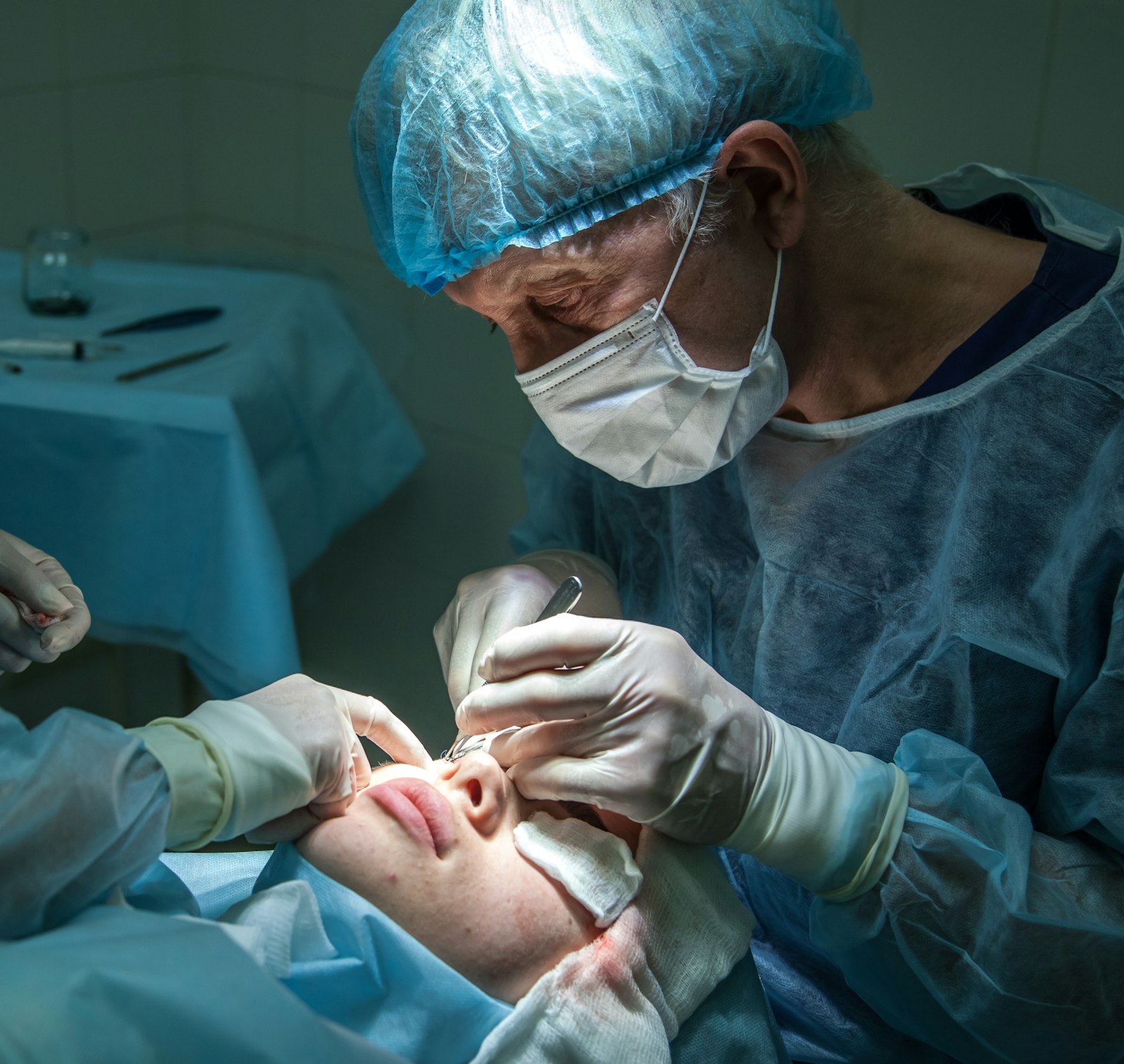
Dry eye is the most common side effect after LASIK, SMILE and PRK — here is why it happens, how long it realistically lasts, and what actually helps during healing.
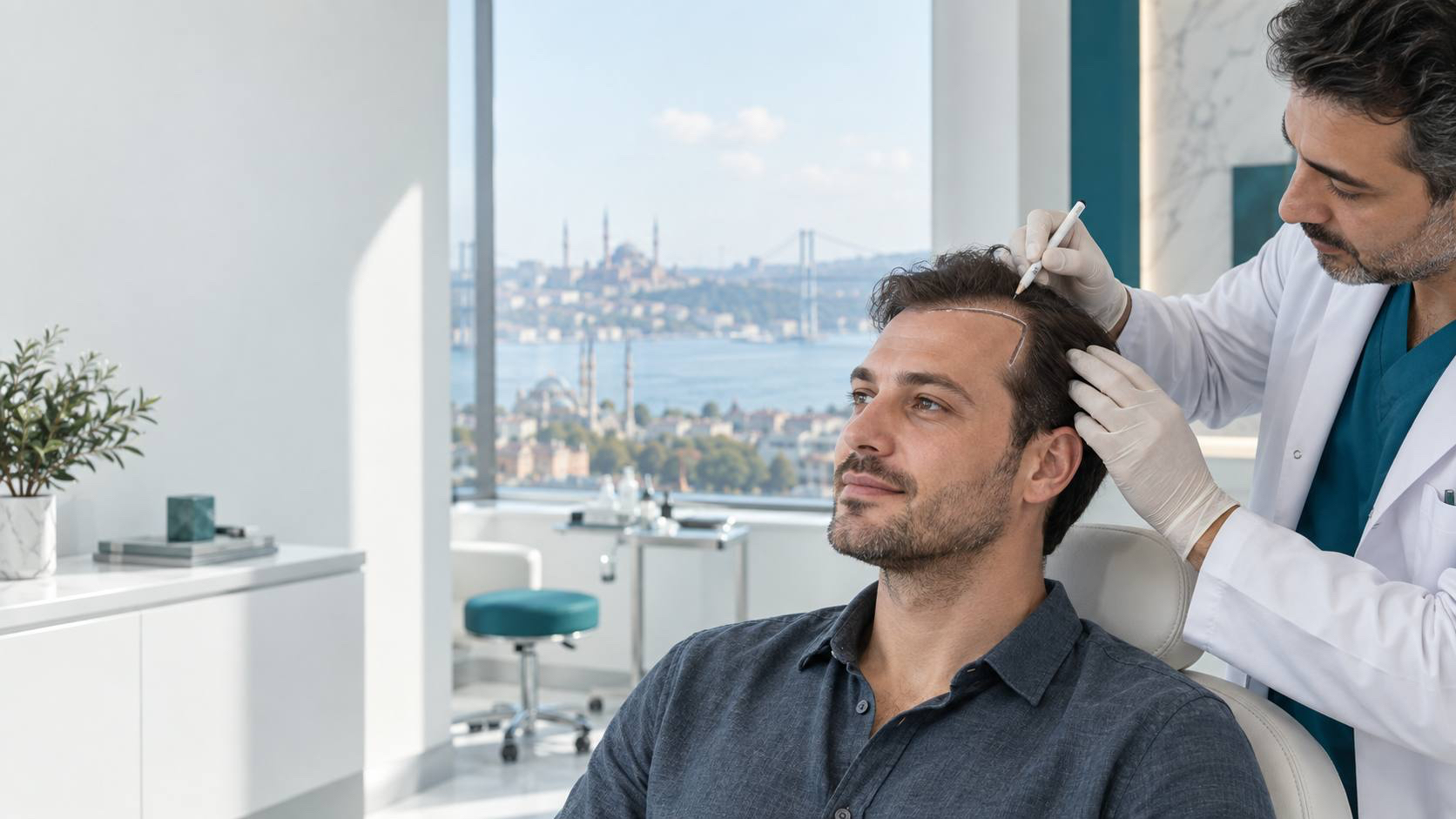
The best hair transplant result is decided by donor density, hairline design and the agreed graft number — not by which clinic ranks first in your search.

A clinic name plus “reviews” mostly returns pages the clinic controls — here is where harder-to-fake reviews live and the four facts worth checking instead.