LASIK costs a fraction in Turkey compared to Western Europe — here's what's actually behind the gap, and when flying abroad makes sense.
14.08.2026
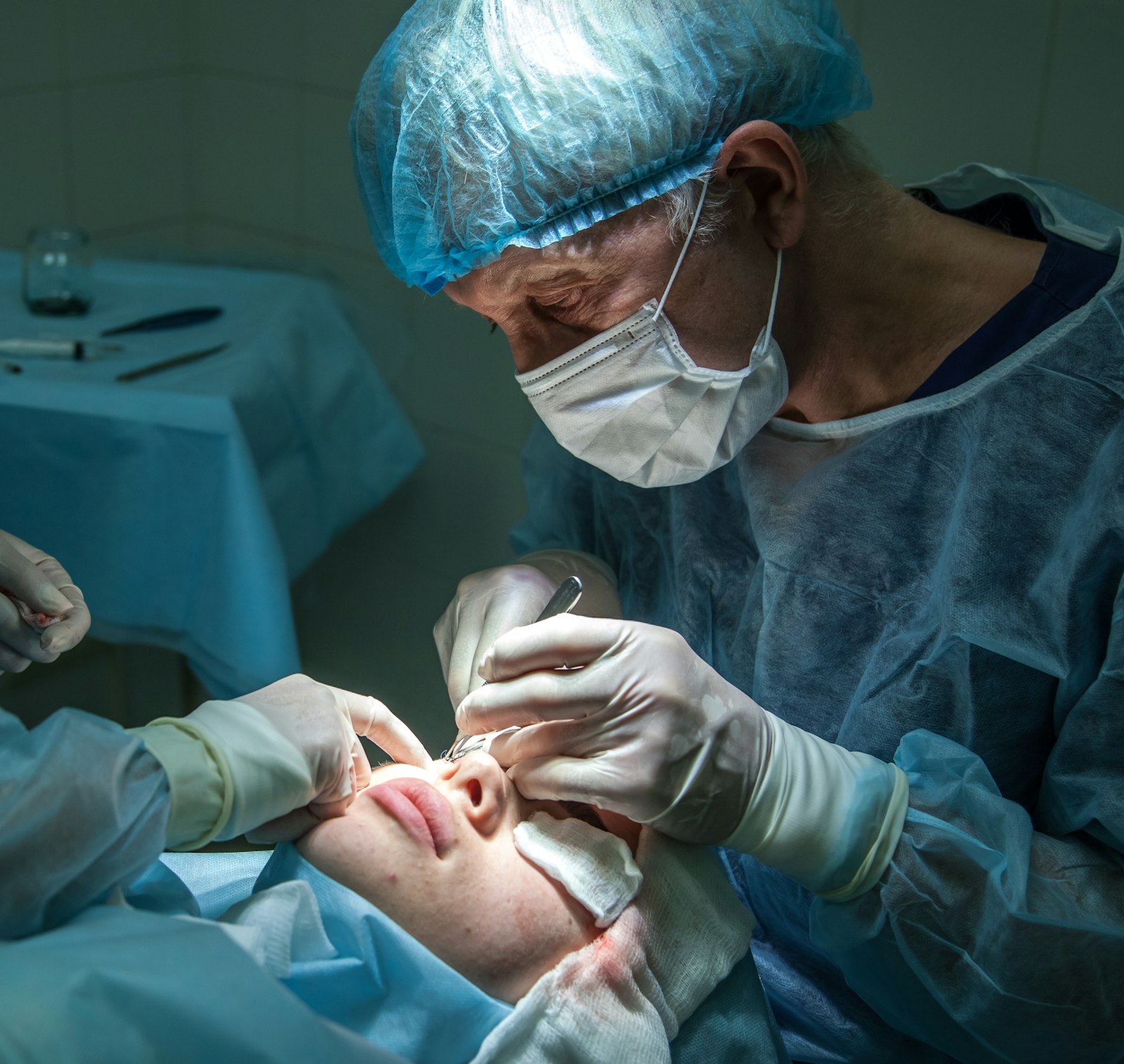
LASIK is a 15-minute procedure with a well-documented safety record, which is exactly why price becomes the deciding factor for a lot of patients comparing options — the medicine is standardized, so the question is really where to have it done. In our own network, LASIK in Turkey starts from €1,390 for both eyes, and the table below sets that against what the same procedure costs in Western Europe.
| Region | Typical price (both eyes) | What's usually included |
|---|---|---|
| Turkey (MedAgent network) | from €1,390, all-inclusive | Pre-op corneal exam, procedure, hospital fee, follow-up, medication |
| United Kingdom | £4,000 – £7,000 | Procedure and immediate follow-up; assessment sometimes separate |
| Western Europe (France, Germany) | €3,500 – €5,500 | Procedure only |
That's a saving in the region of 60–70%, largely because the equipment, the technique and the training pipeline for refractive surgeons are the same international standard everywhere — what differs is clinic overhead and how many procedures a center performs per year.
A femtosecond laser platform is a significant capital investment for any clinic. A center that runs it for a handful of patients a week amortizes that cost very differently than one of Istanbul or Antalya's high-volume ophthalmology hospitals, some of which perform LASIK and related procedures daily across multiple operating rooms. Higher volume also means the surgical team stays in constant practice with the same equipment — a factor that matters for consistency, separate from the surgeon's base qualifications.
Part of comparing costs fairly is comparing the same procedure. Turkish clinics commonly offer SMILE and PRK alongside LASIK, and the right one depends on corneal thickness and lifestyle, not just budget. A clinic that only offers LASIK may be steering every patient toward it regardless of fit; one offering multiple techniques has more reason to recommend the one that's actually right for your eyes. Our LASIK page and SMILE page break down how the two differ.
Most patients fly in, complete a same-day pre-operative corneal mapping and consultation, have the procedure the following day, and stay for a check-up before flying home — typically a 3–4 night trip in total. It is compressed compared to a UK timeline, where the consultation and procedure are often scheduled weeks apart, but it requires arriving with your prescription and any existing eye exam history in hand. If you want the day-by-day version of what follows the procedure, see our LASIK recovery timeline.
If your corneal thickness or prescription puts you in a borderline category for laser correction, you may need a longer in-person evaluation than a single pre-op visit allows — in that case, a local specialist who can see you more than once before deciding is often the safer route.
Is the equipment in Turkey the same as in the UK or Germany? Reputable clinics use the same internationally certified excimer and femtosecond laser platforms used across Western Europe — always confirm the specific equipment model when comparing clinics.
Why is Turkey's price so much lower if the equipment is identical? Clinic overheads, staff costs and rent are lower, and higher patient volume spreads the equipment cost across more procedures — not a difference in the equipment itself.
How soon can I fly home after LASIK? Most clinics clear patients to fly after the first post-op check, usually 1–2 days after the procedure, though your surgeon confirms this individually.
What does LASIK cost in Turkey right now? At our partner hospitals it starts from €1,390 for both eyes, with the final figure depending on the technique and on what your corneal mapping shows. Full package details are here.
Send us what you already have — the pathology report, imaging on disc, discharge summaries. A specialist at a partner hospital will review it and tell you what is realistic in your case and how quickly treatment could begin. Reviewing your documents costs nothing and commits you to nothing.
Send your documentsUnhappy with a surgery result abroad? How to tell unfinished healing from a real problem, what a revision involves, who pays, and where to go next.
Silicone oil removal after vitrectomy: why the oil is used, how long it stays, how the second operation works and what vision does afterwards.
How children treatment in Turkey actually works: the accompanying parent, documents for a minor, school, language, paediatric specialties and what to send.