A realistic hour-by-hour and week-by-week guide to what your eyes do after LASIK or PRK in Turkey, and when vision truly settles.
24.08.2026
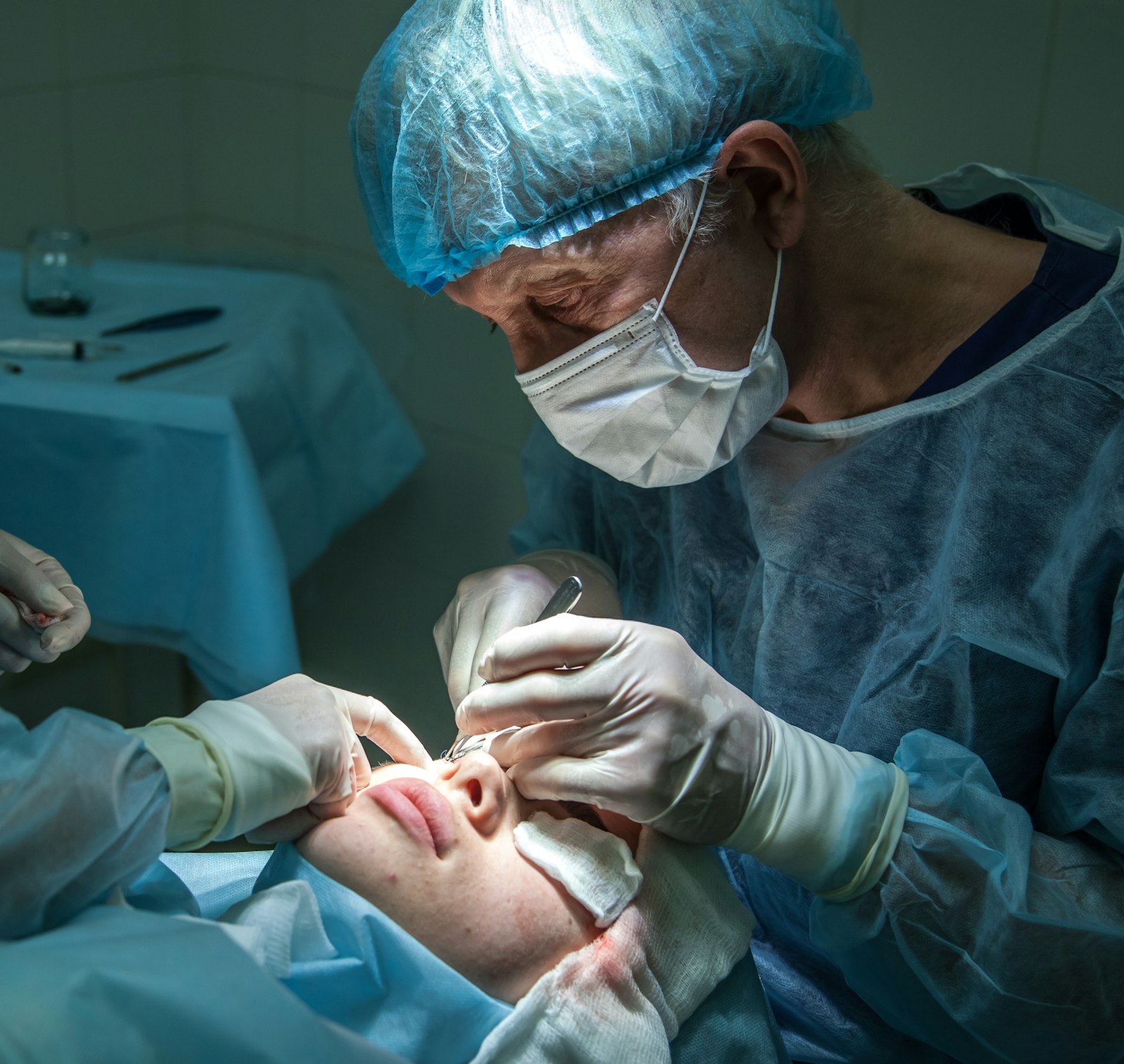
Laser vision correction is one of the fastest procedures MedAgent coordinates: the laser itself works on each eye for well under a minute, and most patients are back at their hotel within a couple of hours. It is also among the most affordable — at our partner ophthalmology hospitals in Turkey, LASIK starts from €1,390 for both eyes, corneal mapping and the next-day check included. What surprises people is the gap between how quickly they see and how uncomfortable that first evening feels. Here is what actually happens after LASIK — and after PRK, which follows a slower curve — from the moment you leave the laser room to the point your vision finally settles.
You walk out of the laser suite seeing, but through a haze — most patients describe it as looking through steam or a smeared window. Expect burning, watering, light sensitivity and a strong feeling that something is in your eye for roughly four to six hours; this is the corneal surface settling, and it is the least pleasant part of the whole process. The advice is simple and it works: go straight back to your room, keep the lights low, use the drops exactly as prescribed and sleep. Most people wake up the next morning with the discomfort gone and vision noticeably sharp. Protective shields are worn overnight so you cannot rub your eyes in your sleep — rubbing is the single biggest risk to a fresh corneal flap.
The next-day check-up confirms the flap is seated correctly and vision is on track — this appointment is why we ask you to stay in Turkey rather than fly out immediately. Most LASIK patients are already at or near driving-standard vision by this point. You will still notice fluctuating focus during the day, glare and starbursts around lights at night, and dryness that comes and goes. Lubricating drops are used generously and often — far more often than feels necessary. Screens are allowed but tiring, so blink deliberately and take breaks. No swimming, no sea, no hammam and no eye makeup this week. If you had PRK instead of LASIK, this is your harder week: the surface layer is regrowing under a bandage contact lens, comfort lags several days behind, and blurred vision is normal until the lens is removed around day four or five.
Vision keeps stabilising rather than improving dramatically. Dryness is the dominant symptom for most patients and typically peaks in the first month before easing — the corneal nerves involved in tear production are recovering, and drops remain part of the daily routine. Night-time halos soften noticeably during this period. Light exercise resumes after about a week; swimming pools, sea and sauna usually wait until around four weeks, and contact sports longer. Sunglasses outdoors are not optional in Antalya — bright light is uncomfortable and UV exposure slows healing, particularly after PRK. What a treatment trip to Antalya involves covers the rest of the practical side.
Most LASIK patients stay three to four nights: arrival and corneal mapping, procedure day, the next-day check, and a buffer. PRK patients are usually asked to stay a little longer or to arrange a follow-up at home, since the bandage lens has to be removed on schedule. Cabin air is exceptionally dry, so carry preservative-free drops in your hand luggage, use them every hour in flight, keep sunglasses accessible and do not sleep in contact lenses — which you will not be wearing anyway. Flying itself does not harm the eye.
Functionally useful vision arrives within a day or two for LASIK; the refined, final result takes three to six months as the cornea completes its healing and dryness resolves. Wavefront-guided treatment corrects the smaller irregularities a glasses prescription misses, which is why many patients report better contrast and cleaner night vision than they had in lenses. LASIK does not stop age-related change: reading glasses will still become necessary in your forties or fifties, and a touch-up procedure is possible years later if enough corneal thickness remains.
Contact your coordinator or the clinic immediately if you have sharply increasing pain rather than the fading discomfort of the first evening, a sudden drop in vision after it had been clear, a visible haze or shadow that worsens instead of improving, thick discharge or a red, sticky eye, or the sensation of a displaced flap after an eye injury or hard rub. These are uncommon, but eyes do not tolerate delay — call rather than wait for your scheduled review. MedAgent stays reachable in your language after you fly home.
How soon can I use screens and go back to work?
Most LASIK patients return to desk work after two to three days, with frequent breaks and drops. PRK usually needs about a week before screens are comfortable.
When can I wear eye makeup again?
Usually after about two weeks, and mascara is the last thing to return. Anything that flakes near the eye risks irritating a healing surface.
Will I definitely be free of glasses?
The great majority of suitable patients no longer need glasses for distance, but nobody can promise a specific result — your corneal thickness and prescription determine what is realistically achievable, which is why the mapping appointment comes before the quote. Which method your prescription actually allows explains where the limits sit.
What does LASIK cost in Turkey?
At our partner hospitals it starts from €1,390 for both eyes, including the pre-operative corneal mapping, the procedure and the next-day check before you fly home. Full package details are here, and the full price list by method shows how it compares with SMILE, ICL and lens surgery.
Related: Laser eye surgery cost in Turkey, by method · LASIK, SMILE or ICL: which fits your prescription · Eye surgery in Antalya: how the trip works
This page is general information, not medical advice. Suitability, technique and results are determined individually by a licensed doctor.
Send us what you already have — the pathology report, imaging on disc, discharge summaries. A specialist at a partner hospital will review it and tell you what is realistic in your case and how quickly treatment could begin. Reviewing your documents costs nothing and commits you to nothing.
Send your documents
A practical guide to the liquid, puree and soft-food stages after a gastric sleeve, plus the lifelong supplements and habits that protect your results.
Unhappy with a surgery result abroad? How to tell unfinished healing from a real problem, what a revision involves, who pays, and where to go next.
Silicone oil removal after vitrectomy: why the oil is used, how long it stays, how the second operation works and what vision does afterwards.