A practical guide to the compression garment after liposuction in Turkey: when you wear it, for how many weeks, and how it shapes your final contour.
19.10.2026
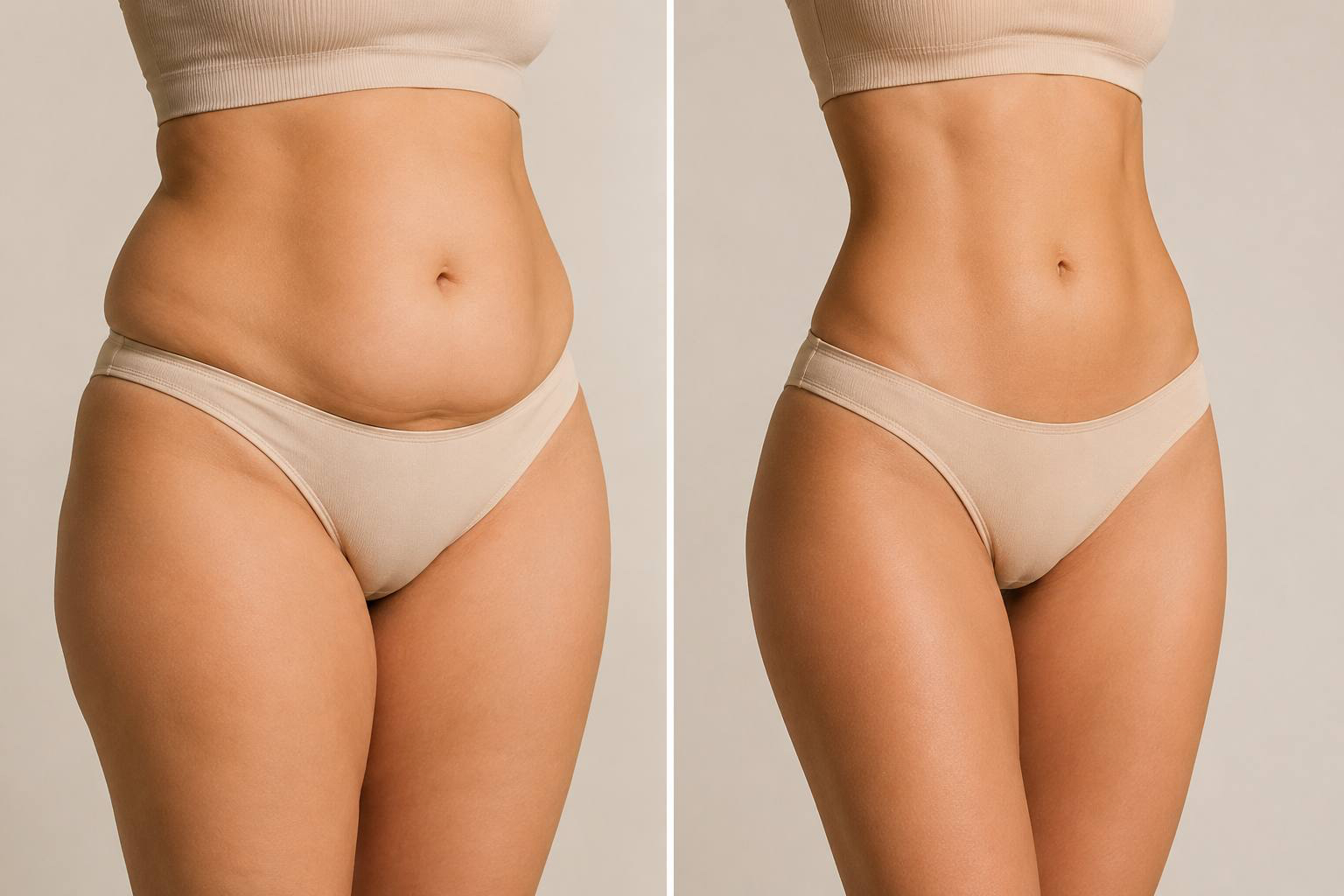
Many patients focus on the surgery itself and treat the compression garment as an afterthought. In reality, how consistently you wear it has a visible effect on swelling, skin settling and the final contour. Knowing what to expect makes the first weeks after liposuction much easier.
Your garment is fitted at the end of the procedure, and you spend the first 2 nights in hospital wearing it. It will feel tight, and some fluid drainage through the small incisions is normal. Your team checks the fit, because a garment that is too loose does little, while one that is too tight can cause pain or marks.
During the first week the garment usually stays on around the clock, removed only briefly for washing as your surgeon instructs. Swelling and bruising peak now, and most patients are back to light activity such as short walks within about a week. Bring a second garment so you can alternate while one is washed.
Most surgeons ask for continuous wear for several weeks, often followed by daytime-only wear. The exact length depends on how many zones were treated and on your skin, so follow your own surgeon rather than a general rule. Swelling slowly drops, and lumpiness or numbness in the treated areas is common and temporary.
Flights are only allowed once the surgeon has cleared you, and you should wear the garment on the plane. Walk the aisle regularly and drink water, since long sitting increases the risk of leg clots after body surgery.
Final contouring appears over about 2-3 months as swelling settles and the skin retracts. Stopping the garment too early or wearing it unevenly can leave more swelling or an irregular surface, so keep to the plan even when you feel fine.
Contact your surgeon promptly for fever, spreading redness, severe or one-sided pain, a calf that is swollen and painful, shortness of breath, or skin that turns dark or blistered under the garment. Send photos if you are unsure, and ask before booking what follow-up is available after you return home.
Can I sleep without the garment?
In the early weeks surgeons normally ask you to wear it at night as well. Your surgeon will tell you when to stop.
Does the garment hurt?
It feels firm and snug, but it should not cause sharp pain, numbness in the fingers or toes, or deep marks. If it does, tell your team so the size can be changed.
Can I wear it under clothes at the hotel?
Yes. Loose, dark clothing works well, and the garment is usually discreet enough for short walks.
This page is general information, not medical advice. Suitability, technique and results are determined individually by a licensed surgeon.
Send us what you already have — the pathology report, imaging on disc, discharge summaries. A specialist at a partner hospital will review it and tell you what is realistic in your case and how quickly treatment could begin. Reviewing your documents costs nothing and commits you to nothing.
Send your documents
A practical guide to a frozen embryo transfer (FET) in Turkey: how the cycle runs, how long you stay, what it costs and when you get your result.

A practical guide to the vitamins and minerals — B12, iron, calcium and more — that gastric sleeve patients take for life, and the blood tests that keep them safe.
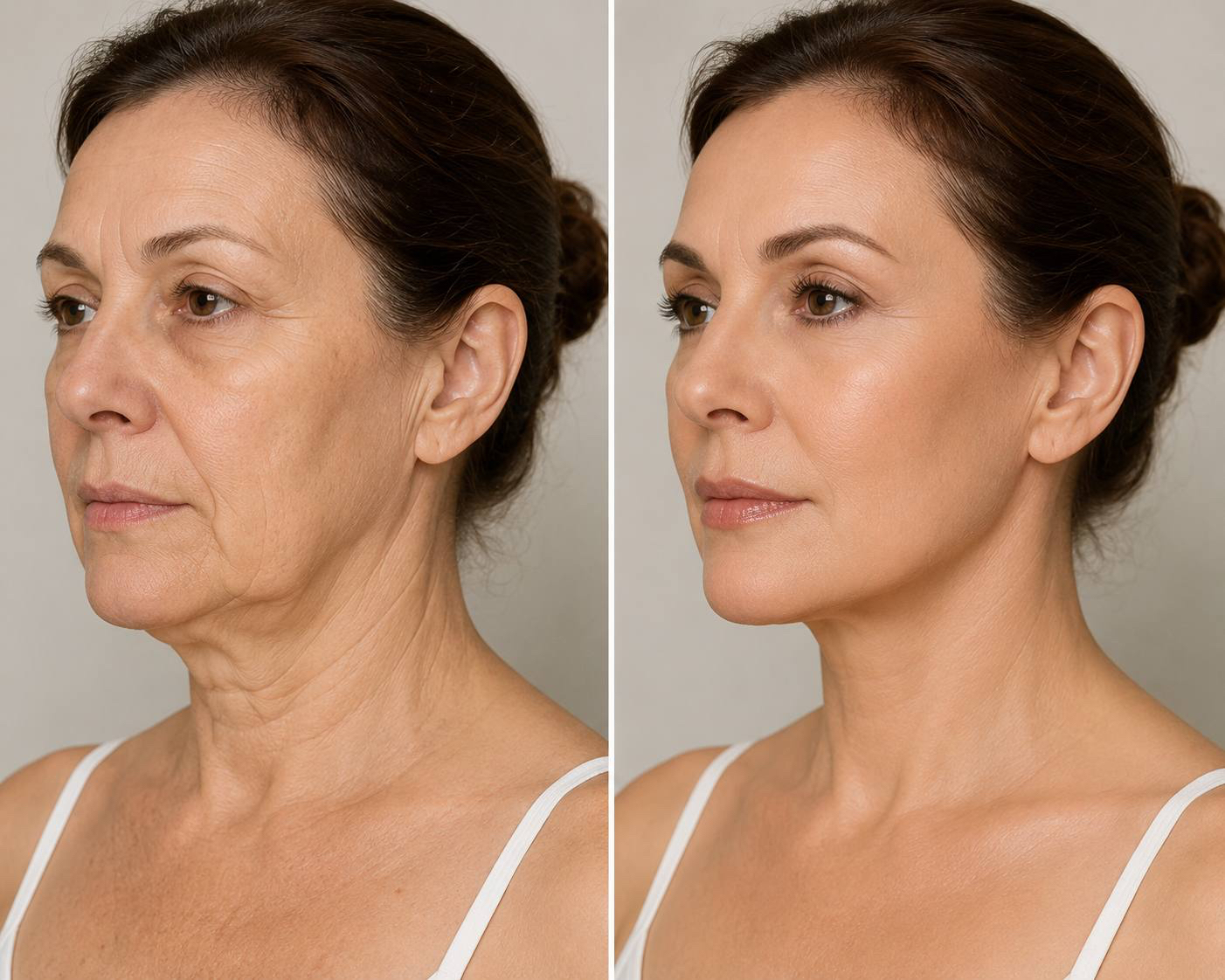
A practical guide to choosing between a mini facelift, a full facelift and a neck lift in Turkey, with realistic prices and recovery expectations.