Primary, revision and functional rhinoplasty differ in planning, grafting, price and recovery, and knowing which one you need makes quotes in Turkey far easier to compare.
21.10.2026
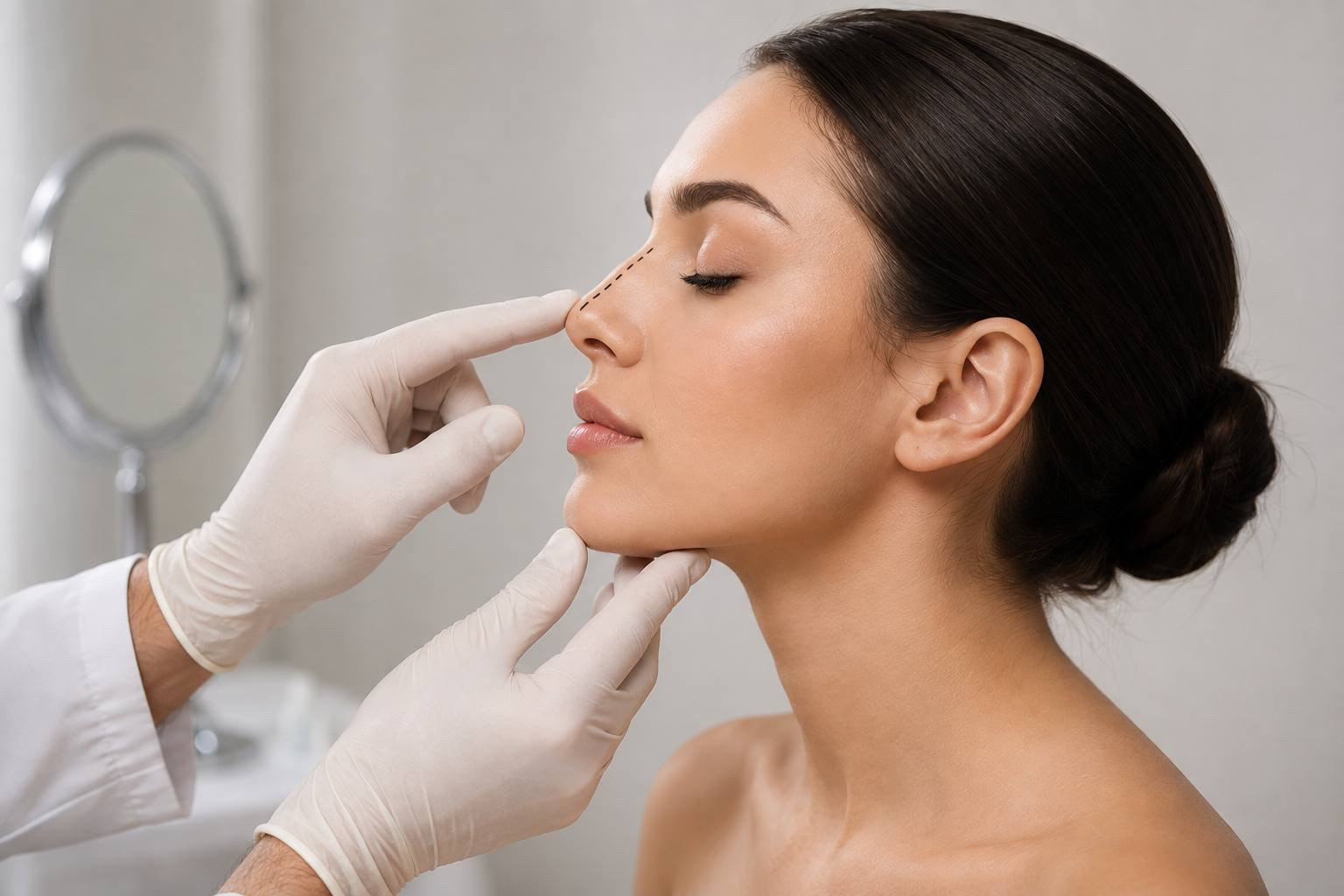
Most of the gap comes from which kind of rhinoplasty you actually need. Primary rhinoplasty in Turkey starts from €3,250, while revision surgery with cartilage grafting starts from €6,000, because the operation is longer and the tissue is harder to work with. Knowing whether your case is primary, revision or functional makes it much easier to compare surgeons and to understand what a quote should include.
Primary rhinoplasty reshapes untouched tissue. It is planned from your photos and the in-person examination on arrival, and recovery is usually the most straightforward of the three. The package typically includes 1–2 nights in hospital and 5 nights in a hotel, with transfers and an interpreter.
A revision works with scar tissue, altered anatomy and often missing cartilage, so surgery takes longer and grafting is common. Cartilage may come from the septum, the ear or, in larger reconstructions, a rib. Not every revision can be done right away: surgeons generally want the previous result to have settled first, and a good one will tell you if it is too early.
Septoplasty, or a combined septorhinoplasty, treats a deviated septum or a collapsing nasal valve. This is a medical problem, not a cosmetic preference, because it affects sleep, exercise and daily comfort. If one side of your nose is blocked, say so at the assessment stage, since shape and airway are usually best corrected together.
Closed rhinoplasty works through the nostrils, while open adds a small incision across the columella for direct visibility. The surgeon chooses based on your anatomy, but the choice affects the length and complexity of the operation, and therefore the quote.
Check whether the quote is for primary or revision surgery, whether cartilage grafting is included, whether septum or turbinate work is covered, and how senior the operating surgeon is. Also ask about the revision policy and what happens if you need a review after flying home, because treatment of complications at home is not part of the package.
The splint usually comes off around day 7, bruising fades over two to three weeks, and the nose keeps refining for twelve to eighteen months. Revisions and rib grafts can feel slower at the start. Our week-by-week rhinoplasty recovery timeline and the guide to swelling and the final result show what each stage looks like.
How do I know if I need a revision or a primary operation?
If your nose has had surgery before, it is a revision. The surgeon confirms this from your photos and history, and gives a firm quote after a free assessment.
Can breathing problems be fixed at the same time as the shape?
Usually yes. Septum and valve work can be combined with cosmetic reshaping, but ask that it is written into the quote.
How soon after a first rhinoplasty can I have a revision?
Surgeons generally wait until the earlier result has fully settled, often a year or more. Your surgeon will advise on timing for your case.
Ready to book your treatment? See pricing and details on our Rhinoplasty page.
This page is general information, not medical advice. Suitability, technique and results are determined individually by a licensed surgeon.
Send us what you already have — the pathology report, imaging on disc, discharge summaries. A specialist at a partner hospital will review it and tell you what is realistic in your case and how quickly treatment could begin. Reviewing your documents costs nothing and commits you to nothing.
Send your documents
Implants add size and shape, but sagging tissue may need a lift too — here is how surgeons decide which option fits in Turkey.
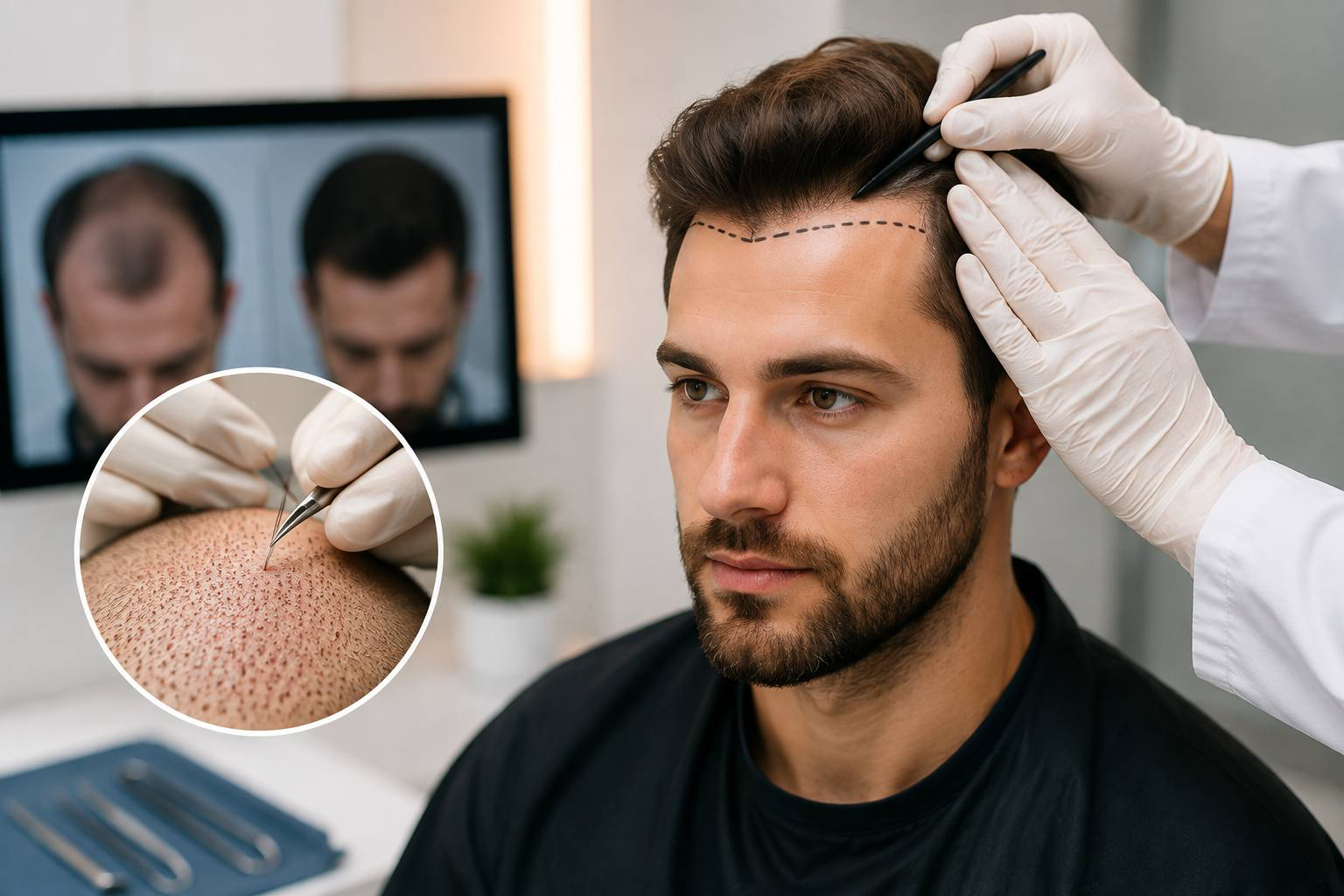
How a hair transplant for women differs from the male procedure, who is a good candidate, and what recovery looks like in Turkey.
How adjustable sutures work in adult strabismus surgery, and what to expect from double vision, redness and alignment in the first weeks.