How a tummy tuck scar changes from the first weeks to the final result, and the scar-care habits surgeons actually recommend.
27.10.2026

The lower abdominal scar is the one trade-off every tummy tuck patient accepts, and it is also the part of recovery people understand least. It is not a finished result when the dressings come off: it starts red and firm, goes through an awkward phase, and only matures over many months. Knowing that timeline, and the few habits that genuinely help, makes the wait far easier. This guide complements our week-by-week tummy tuck recovery guide and the abdominoplasty package details.
The incision runs low across the abdomen, usually hidden below a bikini or underwear line, and is closed in layers so that the deeper stitches carry the tension rather than the skin. You will wear a dressing and a compression garment, and the area feels tight, bruised and numb in patches. The scar itself is thin, pink-red and slightly raised, and your surgeon will check it at the follow-up visit before you fly home.
Around this time the scar often looks worse than it did at the start: redder, firmer and a little thicker as the body lays down new collagen. This is normal healing, not a sign that something is going wrong. Itching and tingling are common as nerve endings recover, and the skin above the scar may stay numb for months.
The redness gradually shifts to pink and then to a paler tone, and the scar flattens and softens. Most surgeons suggest gentle massage and silicone gel or sheets once the wound is fully closed, which many patients find helps texture and itching. Keeping the scar out of direct sun matters a great deal, because fresh scars darken easily; use clothing cover or a high-factor sunscreen through a full summer.
A mature tummy tuck scar is typically a fine, flat line paler or slightly darker than the surrounding skin, depending on your skin type and genetics. Final appearance cannot be promised, and some people scar more heavily than others, including thicker (hypertrophic) or raised (keloid) scars. If yours is thickening, your surgeon can discuss options such as silicone therapy or injections.
Wear the compression garment as instructed, avoid stretching movements and heavy lifting until you are cleared, keep the area clean and dry, and avoid smoking, which impairs healing. Stay out of the sun and the sea until the wound has closed and your surgeon agrees. Good nutrition and hydration support healing, and none of this replaces the surgeon's own instructions.
Contact your surgeon promptly if the wound opens, if redness spreads or the area becomes hot and very painful, if there is pus or a bad smell, if you develop a fever, or if one side swells noticeably more than the other. MedAgent stays in touch after you return home and can arrange a review with the operating surgeon.
How long is the scar?
It depends on how much skin is removed and is discussed with your surgeon before the operation; a lower abdominal scar is typical.
Will the scar go away completely?
No. It fades and flattens considerably, but a permanent fine line remains, usually concealed by underwear or a swimsuit.
When can I use silicone gel or massage?
Usually once the wound is fully closed, often around three to four weeks, but follow your own surgeon's timing.
This page is general information, not medical advice. Suitability, technique and results are determined individually by a licensed surgeon.
Send us what you already have — the pathology report, imaging on disc, discharge summaries. A specialist at a partner hospital will review it and tell you what is realistic in your case and how quickly treatment could begin. Reviewing your documents costs nothing and commits you to nothing.
Send your documents
Implants add size and shape, but sagging tissue may need a lift too — here is how surgeons decide which option fits in Turkey.
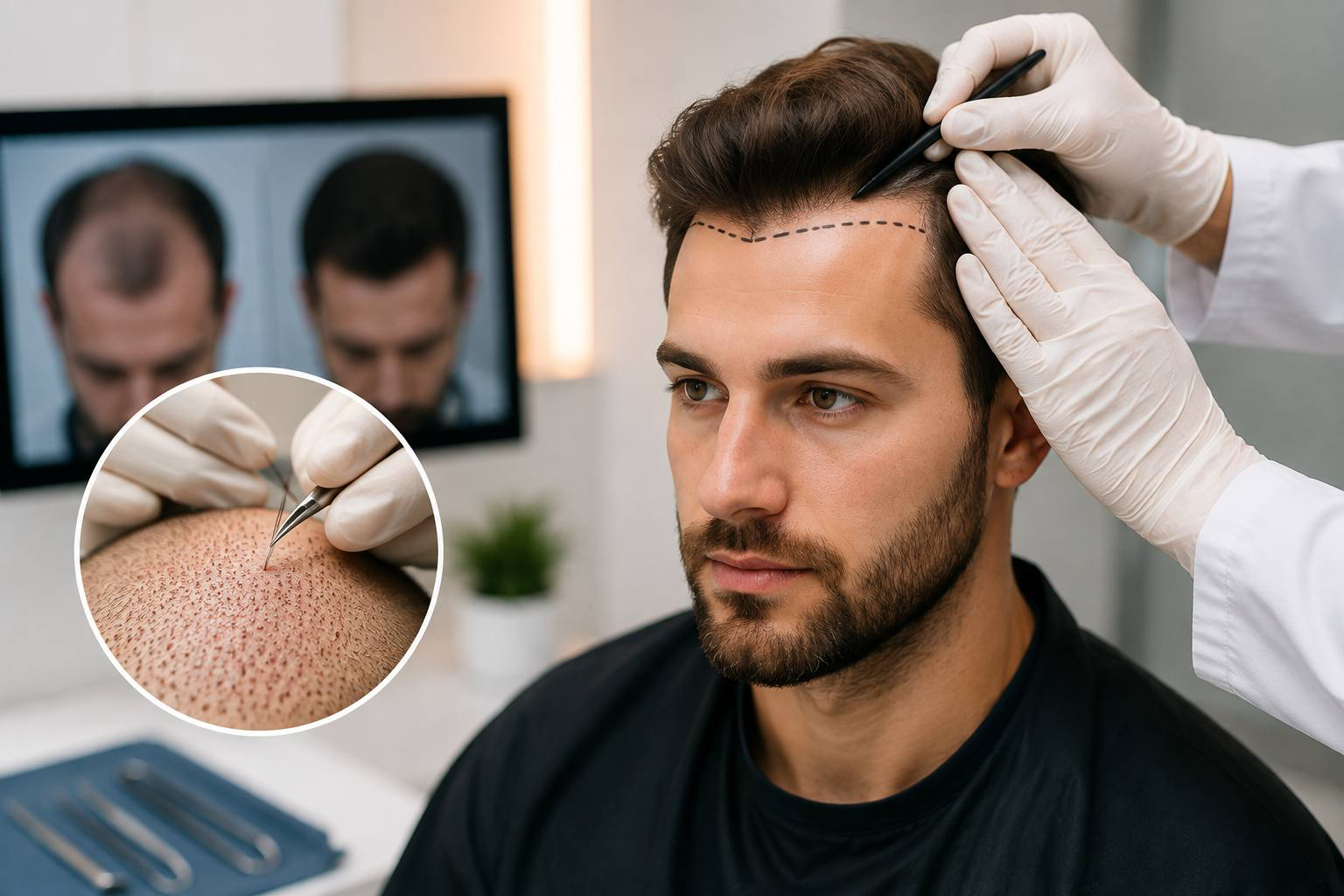
How a hair transplant for women differs from the male procedure, who is a good candidate, and what recovery looks like in Turkey.

How adjustable sutures work in adult strabismus surgery, and what to expect from double vision, redness and alignment in the first weeks.