A realistic week-by-week guide to recovering after trabeculectomy or valve surgery in Turkey — and why the follow-up schedule matters more than the operation itself.
31.08.2026
Patients who have already had cataract surgery, LASIK or lens implants arrive expecting the same pattern: a procedure, one blurry night, then rapid improvement. Glaucoma surgery does not work that way. A trabeculectomy or an Ahmed valve creates a new drainage route for fluid leaving the eye, and that route has to settle at exactly the right resistance — too much flow and pressure drops too low, too little and it climbs back up. The weeks after surgery are an active adjustment period, not a passive wait, which is why a trabeculectomy starts from €5,000 and an Ahmed valve implant from €5,200 at our partner hospitals with that intensive follow-up built into the package. Here is what the timeline really looks like at our partner ophthalmology hospitals in Turkey, from the recovery room to the point where your pressure is considered stable.
Most glaucoma procedures are done under local anaesthesia with sedation, so you are awake but comfortable, and you go back to your hotel or stay one night depending on the hospital and your general health. Expect the operated eye to feel gritty, water a lot and be very sensitive to light — the vision through it will be genuinely foggy, and often worse than before surgery. This is normal and expected: the eye is inflamed and the new drainage pathway is running fast. A shield goes on, especially at night, and stays on. Steroid and antibiotic drops start immediately and are given far more frequently than after other eye surgery — sometimes hourly at first. Set alarms. Do not rub the eye, do not bend forward, and do not lift anything heavy.
This is the part that surprises people. You will be seen very frequently — often every few days — because a filtering procedure needs steering. Your surgeon checks the pressure and the drainage bleb (the small blister of fluid under the upper eyelid, which you will not see in the mirror) and may perform in-clinic adjustments: releasing sutures with a laser to increase flow, injecting anti-scarring medication, or massaging the eye in a specific way they will teach you. None of this means something went wrong. It is the standard way a trabeculectomy is tuned. Vision stays blurry and fluctuates through the day. Valve implants tend to behave differently, with a period where pressure is higher while the device settles, then a drop once the internal capsule matures.
Inflammation calms, the gritty feeling fades and vision starts drifting back toward your pre-surgery baseline. Steroid drops are tapered down slowly over about six to twelve weeks — much longer than after cataract surgery — because stopping early is one of the most common reasons a bleb scars over and stops draining. Light activity and walking are fine from the start; swimming, the sea, hammam and saunas wait until your surgeon clears you, usually around the four to six week mark in Antalya's climate. Avoid anything that spikes pressure in the head: heavy lifting, straining, inverted yoga positions.
Plan for ten to fourteen nights in Turkey rather than the four or five typical of cataract or laser surgery. The early follow-up visits are the treatment, not an optional formality, and they cannot be replicated remotely. Flying itself is safe — cabin pressure does not harm the eye or the bleb — but the air is extremely dry, so carry preservative-free lubricating drops and all prescribed medication in your hand luggage, never in the hold. Before you leave, you should have a written tapering schedule, a copy of your operative report and pressure readings for your ophthalmologist at home, and a booked plan for who checks your pressure over the following months.
Success in glaucoma surgery is measured in millimetres of mercury, not in sharper vision. The aim is a target pressure low enough to stop your optic nerve losing more fibres — and the surgery does not restore sight that has already been lost. Most patients need fewer drops afterwards and some need none, but continuing on one drop with a well-controlled pressure is still a good outcome. Vision usually returns to roughly where it was before surgery by two to three months; a small refractive shift is common, so wait until then for new glasses. Longer term, blebs can scar and pressure can creep up years later, which is why lifelong monitoring — visual fields and pressure checks, wherever you live — matters as much as the operation.
Contact your coordinator or the clinic immediately if pain increases sharply instead of settling; if vision drops suddenly after having been stable; if the eye becomes very red with thick discharge and sticky lids; if you see a sudden shower of new floaters, flashes, or a dark curtain in your side vision; or if you notice clear fluid leaking from the operation site. Very low pressure has its own signs — deep aching and blurring that worsens over days — and needs adjusting just as urgently as high pressure. These complications are uncommon, but eyes do not tolerate delay. MedAgent stays reachable in your language after you fly home and can arrange a consultation with your operating surgeon if something concerns you.
Will I still need eye drops after surgery?
Often fewer, sometimes none — but some patients still need drops for full pressure control, and that is monitored at your follow-up visits rather than decided on the day of surgery.
Can both eyes be operated on during one trip?
Usually not. Glaucoma surgeons prefer to operate one eye, confirm the pressure has settled, and then plan the second — so most patients travel twice or stay considerably longer.
What if the surgery does not fully control my pressure?
A second procedure, such as a valve implant after a trabeculectomy, is sometimes needed. This is discussed as part of your long-term glaucoma plan rather than treated as a failure.
What does glaucoma surgery cost in Turkey?
At our partner hospitals a trabeculectomy starts from €5,000 and an Ahmed valve implant from €5,200, including the frequent early follow-up visits that a filtering procedure depends on. Full package details are here.
This page is general information, not medical advice. Suitability, technique and results are determined individually by a licensed doctor.
Send us what you already have — the pathology report, imaging on disc, discharge summaries. A specialist at a partner hospital will review it and tell you what is realistic in your case and how quickly treatment could begin. Reviewing your documents costs nothing and commits you to nothing.
Send your documents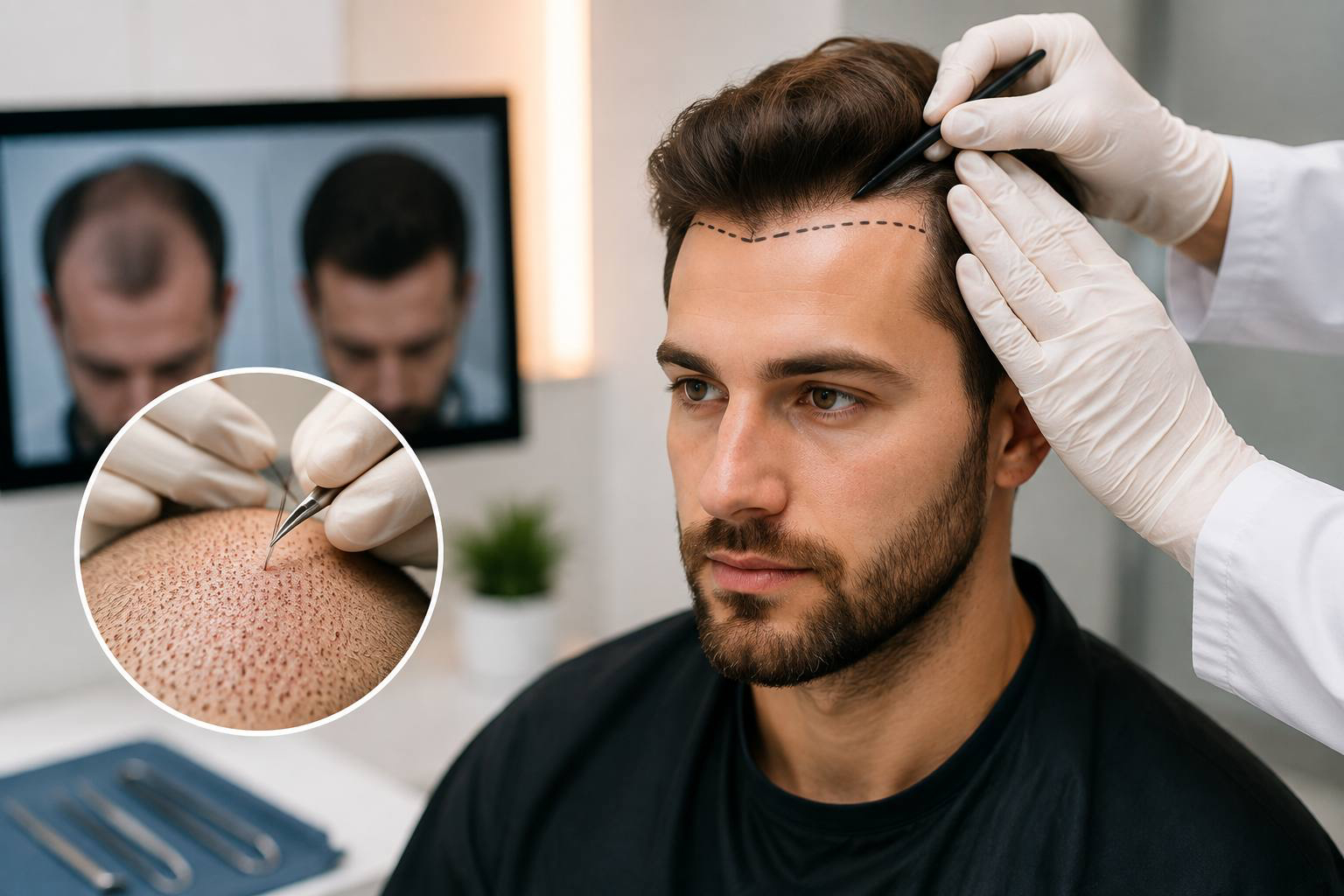
What to do in the two weeks before a hair transplant in Turkey — medications, haircut, alcohol, photos and travel — so surgery day goes smoothly.

A clear look at the health, body-fat and lifestyle factors Turkish surgeons assess before approving a Brazilian Butt Lift, and the timeline from consultation to surgery day.
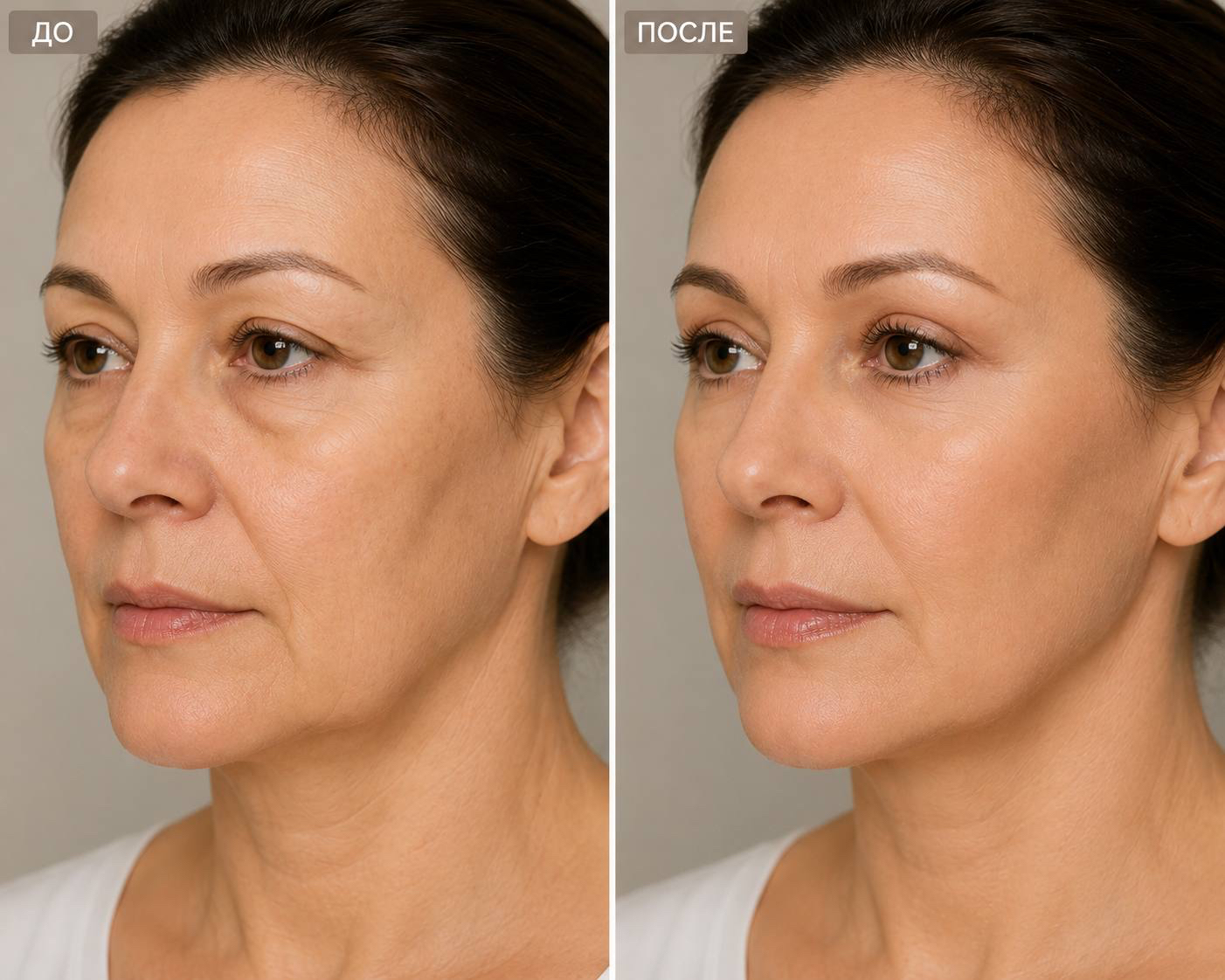
How to tell whether upper, lower or combined blepharoplasty suits your eyes, what each costs in Turkey, and how recovery differs between them.