A realistic month-by-month guide to healing after a corneal transplant in Turkey, from the first drops to the day your vision finally settles.
30.08.2026
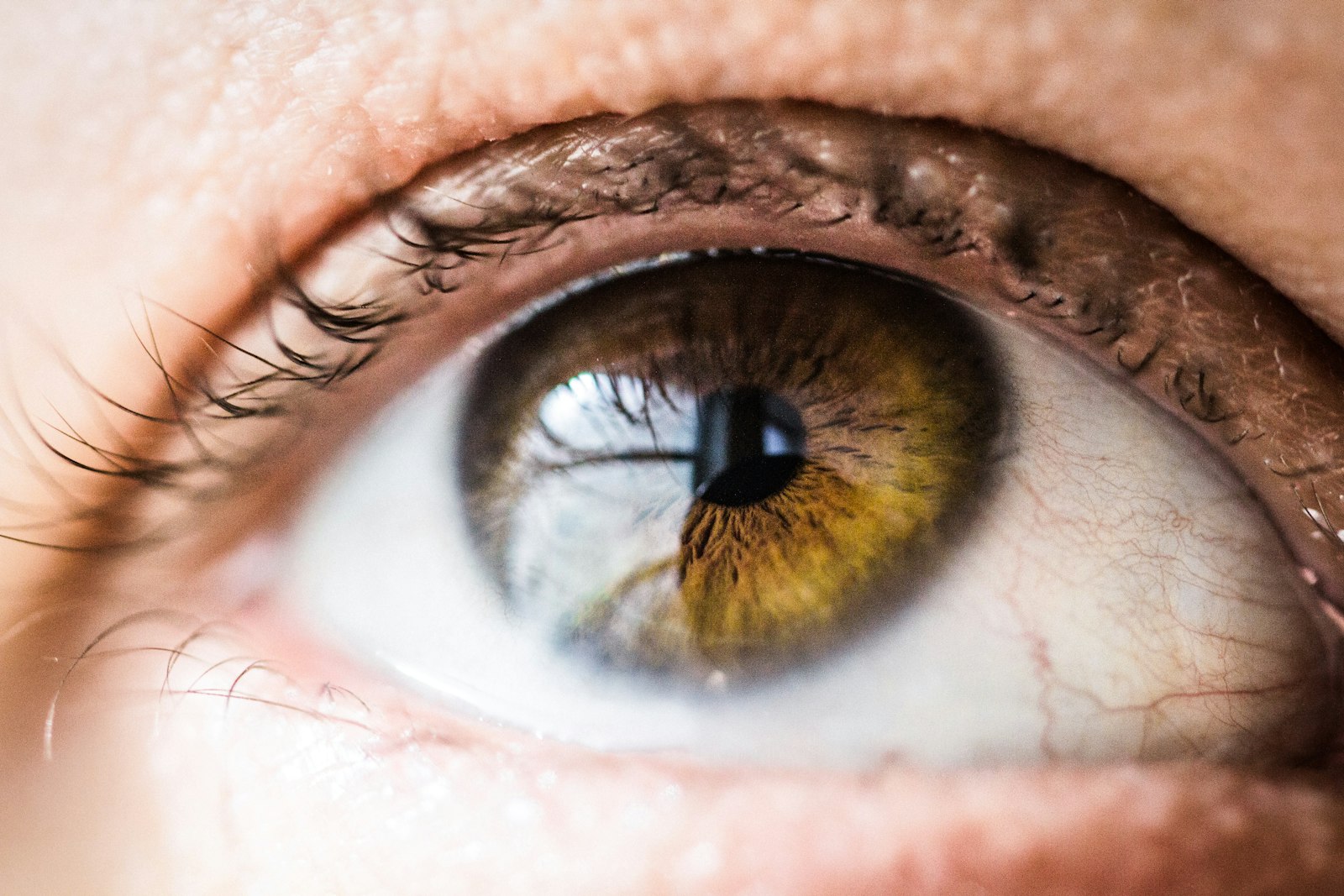
Patients who have read about laser vision correction often arrive expecting a similar experience: sharp sight within a day or two. Keratoplasty does not work that way. A donor cornea has to settle, clear and be accepted by your eye, and that process is measured in months rather than days. At our partner ophthalmology hospitals in Turkey the operation starts from €11,000 for one eye. Knowing the real timeline in advance turns a slow recovery from something worrying into something predictable. Here is what the year after surgery in Turkey usually looks like, and where MedAgent's coordination fits around it.
You will leave the operating room with a protective shield over the eye and almost no useful vision on that side — expect a milky, foggy blur rather than darkness. A dull ache, watering and light sensitivity are normal; sharp pain is not. Your surgeon will start you on antibiotic and steroid drops straight away, and the shield stays on overnight, including for naps, so you cannot rub the eye in your sleep. Most patients spend one night under observation and are seen again the next morning.
This week is mostly about drops and check-ups. You will typically be seen two or three times so the surgeon can confirm the graft is sitting correctly and the eye pressure is stable. Vision stays blurred and may change from hour to hour — that is the cornea swelling and de-swelling, not a sign the transplant is failing. Keep water out of the eye, sleep on your back or on the unoperated side, and avoid bending, lifting and anything that strains the eye. If your surgeon used a lamellar technique such as DALK, DSEK or DMEK, the eye often settles faster than after a full-thickness penetrating keratoplasty, because fewer layers had to be replaced.
After a penetrating keratoplasty, the fine sutures holding the graft in place stay in for a long time — often a year or more, and they are removed gradually rather than all at once. Through these weeks vision improves in uneven steps, and astigmatism from the stitches can make it fluctuate noticeably. Steroid drops continue on a tapering schedule that you must not shorten on your own; they are what keeps your immune system from reacting to the donor tissue. Desk work and gentle walking are usually fine. Swimming, dusty environments, contact sports and heavy lifting are not.
Most patients stay in Turkey through the first post-operative check-ups before flying, and your surgeon confirms the date rather than the calendar deciding it. Flying itself is safe once the eye is stable, but cabin air is dry, so bring your drops in your hand luggage and use them more often than usual. Before you leave, make sure you have a written record of the technique used, your drop schedule, and a follow-up plan with an ophthalmologist at home — a corneal graft needs monitoring for life, not just for a season.
Real visual quality arrives slowly. Many patients notice a clear step forward around the three-month mark, another as sutures come out, and a final refinement once the cornea has stabilised at nine to twelve months. Only then is it worth being fitted for glasses or contact lenses — and most people do need them, because a donor cornea's curvature rarely matches your own eye exactly. Rigid or scleral lenses can give excellent results where glasses cannot. Long term, many grafts last decades, provided rejection is caught early and managed.
Graft rejection is treatable when it is caught quickly, which is why every keratoplasty patient is taught the same four warning signs: redness, unusual light sensitivity, a drop in vision, and pain. Any one of them appearing suddenly — a week after surgery or five years later — means contacting an ophthalmologist the same day, not waiting for your next scheduled appointment. Increasing discharge, a sudden gush of watering, or the sensation that something has shifted in the eye also warrant an urgent review.
How long before I can see well enough to drive?
It varies widely, but plan on months rather than weeks, and only after your surgeon and your home ophthalmologist confirm your corrected vision meets the legal standard where you live.
Do I have to take the drops forever?
Steroid drops are tapered over many months and some patients stay on a low maintenance dose long term. Never stop or reduce them without your surgeon's instruction — abrupt changes are a common trigger for rejection.
What does a corneal transplant in Turkey cost?
Our partner ophthalmology hospitals start from around €11,000 for one eye, including evaluation, donor tissue matching, surgery, surgeon and hospital fees, post-operative check-ups and medication. Final pricing depends on your eye exam results and the technique used. Full package details are here.
This page is general information, not medical advice. Suitability, technique and results are determined individually by a licensed surgeon.
Send us what you already have — the pathology report, imaging on disc, discharge summaries. A specialist at a partner hospital will review it and tell you what is realistic in your case and how quickly treatment could begin. Reviewing your documents costs nothing and commits you to nothing.
Send your documents
A clear look at the health, body-fat and lifestyle factors Turkish surgeons assess before approving a Brazilian Butt Lift, and the timeline from consultation to surgery day.
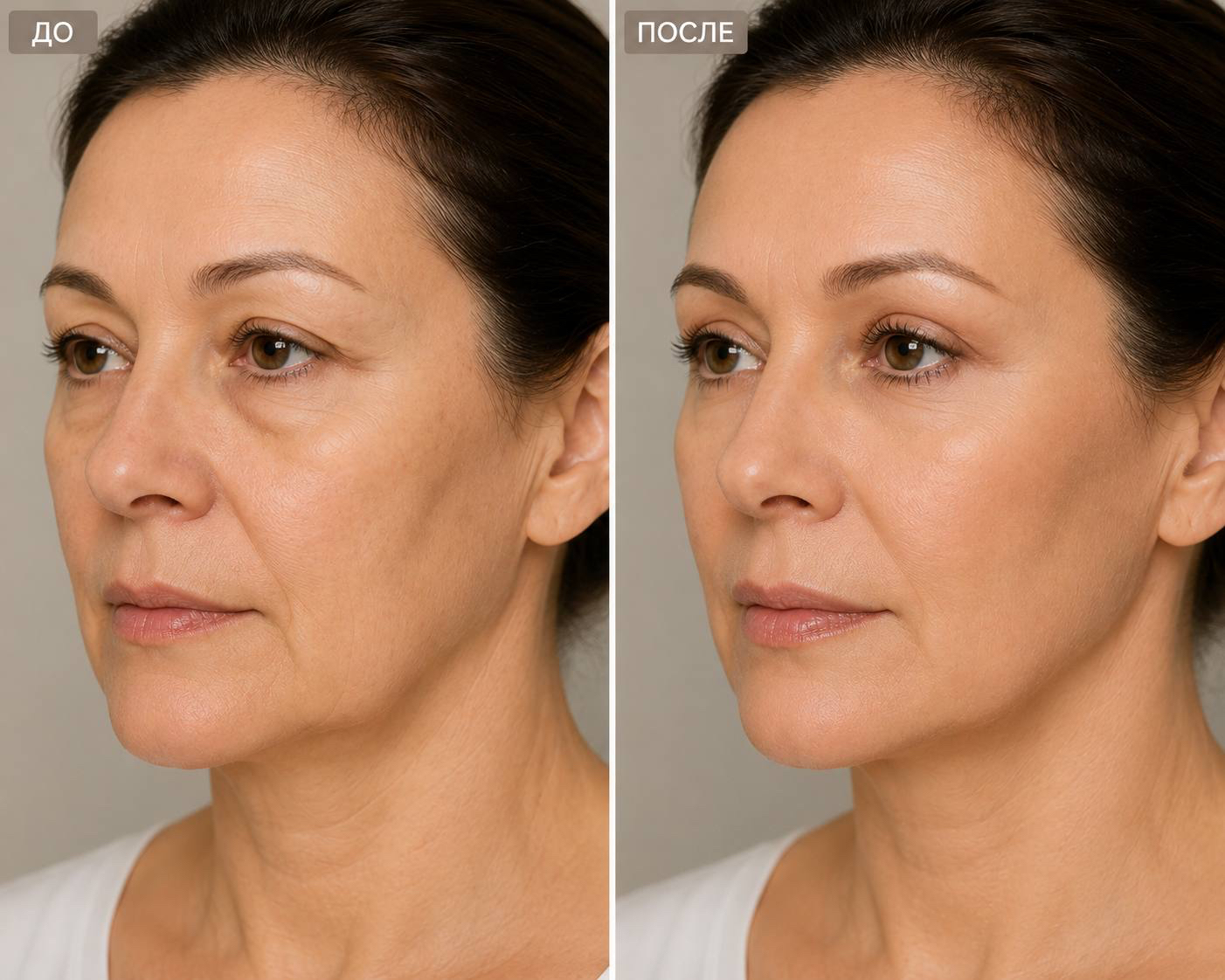
How to tell whether upper, lower or combined blepharoplasty suits your eyes, what each costs in Turkey, and how recovery differs between them.
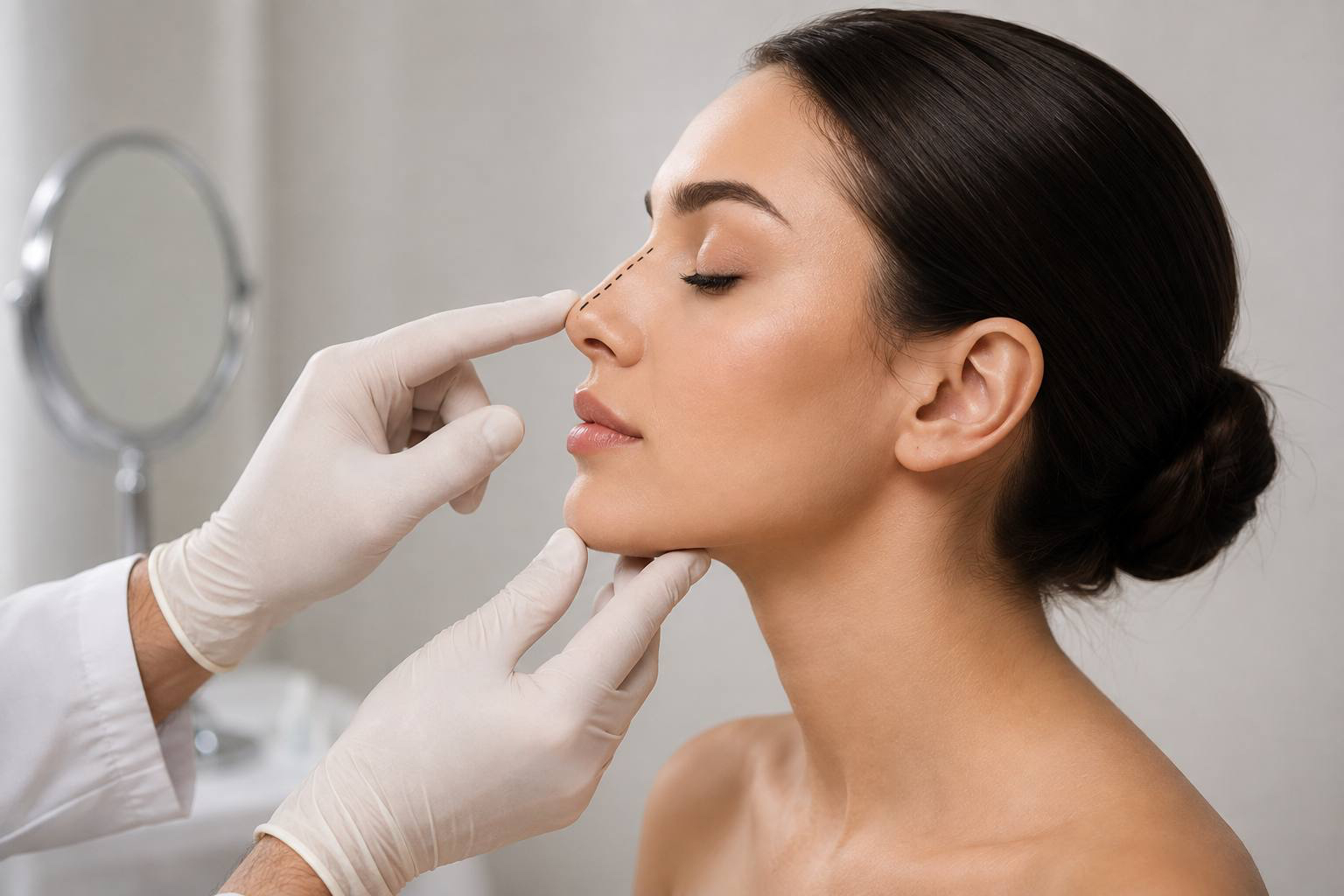
Nose swelling after rhinoplasty fades in stages over 12–18 months, and judging the result at six weeks means judging an unfinished nose.