A realistic week-by-week guide to recovering from vitrectomy retina surgery in Turkey, including head positioning, the gas bubble, and when it is safe to fly home.
01.09.2026
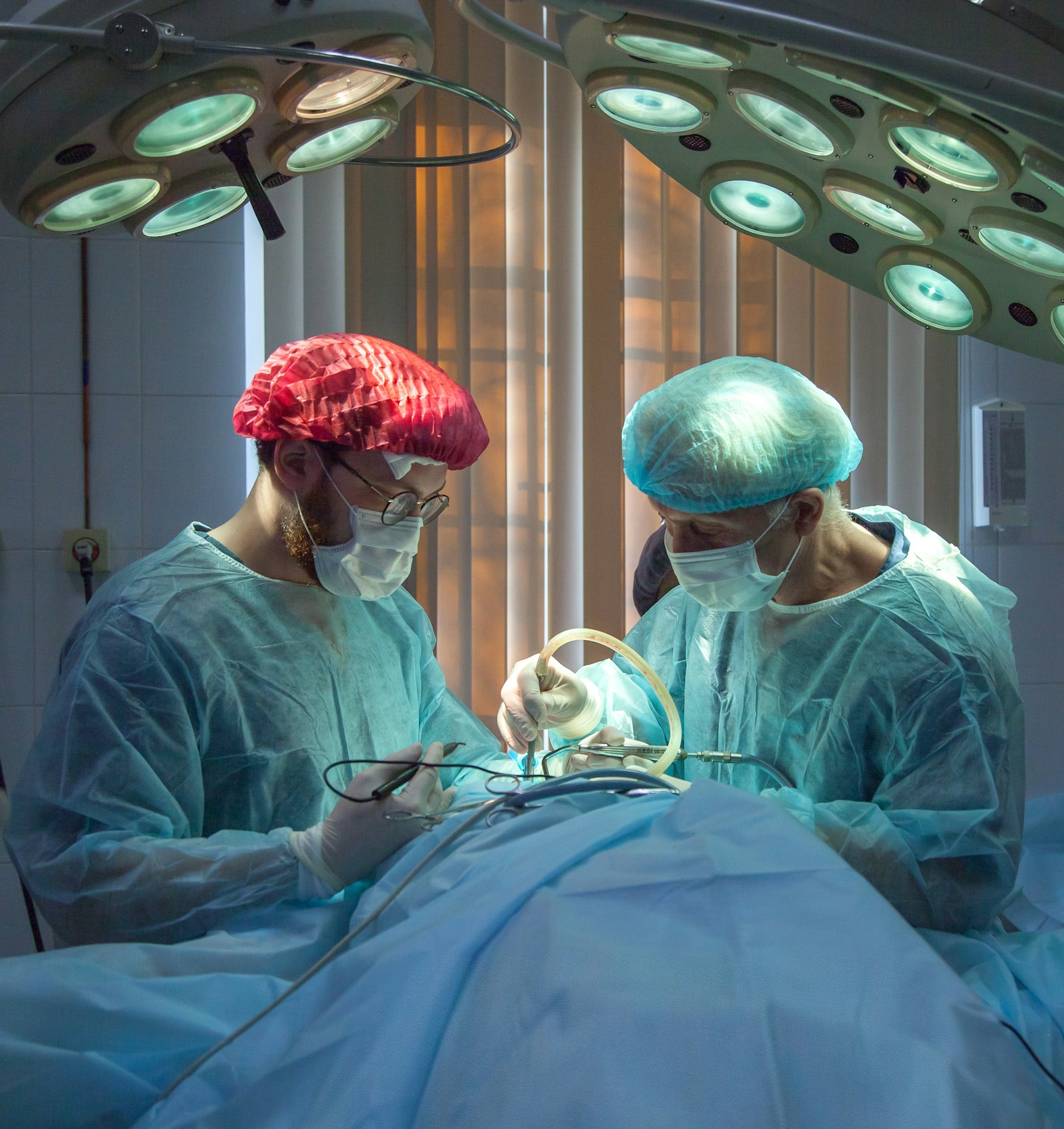
Retina surgery is different from cataract or laser procedures. At our partner ophthalmology hospitals in Turkey, vitrectomy starts from €6,000 for one eye, and most patients stay ten to fourteen days. The operation itself is short and the incisions are tiny, but the healing happens slowly, from the inside out, and part of it depends on something only you can do: holding your head in the position your surgeon asks for. Understanding what each stage of that stay involves makes the whole process far less stressful. Here is what recovery realistically looks like.
You will leave the operating theatre with the eye padded and shielded, and the pad usually comes off at your first check the next morning. Vision in the operated eye will be extremely blurred — if a gas bubble was used, you will see a dark, wobbling line or dome that moves when you move. This is normal and expected. Expect a gritty, bruised ache rather than sharp pain; simple painkillers are usually enough. The most important instruction in this window is head positioning: if gas was used to press the retina flat, your surgeon may ask you to keep your face down or your head turned to one side for most of each hour. Follow that instruction exactly, including overnight.
Positioning typically continues through this week, and it is the hardest part of recovery for most patients. Take breaks the way your surgeon allows — usually around ten minutes in every hour — and use a face-down cushion or support if one is offered. You will be using anti-inflammatory and antibiotic drops several times a day on a strict schedule. The eye may water, feel scratchy and look red. You will have at least one clinic review this week, where the surgeon checks the pressure inside the eye and confirms the retina is sitting flat. Avoid bending forward, lifting anything heavy, and getting water in the eye.
If a gas bubble was used, it slowly shrinks and absorbs over roughly two to eight weeks depending on the gas type. As it does, the dark dome drops lower in your vision and you begin seeing over the top of it — many patients describe watching a bubble in a spirit level. Vision improves in uneven steps rather than smoothly. If silicone oil was used instead of gas, it does not absorb: it stays in place and is removed in a second, smaller procedure months later, which your surgeon will plan with you. Silicone oil removal and what vision does afterwards sets out how that second stage works. Light desk work and walking are usually fine by now; swimming, gyms and dusty environments are not.
This is the single most important travel rule in retina surgery: you cannot fly while a significant gas bubble remains in the eye. Cabin pressure changes make the bubble expand, which can raise pressure inside the eye dangerously. Your surgeon confirms by examination when the bubble has absorbed enough for flying to be safe — for some gas types this means staying in Turkey longer, and for others it may mean travelling home by land or returning later for follow-up. Patients with silicone oil can usually fly sooner. Never book a fixed return flight before your surgeon has cleared it, and tell MedAgent early so travel can be arranged flexibly. How an eye-surgery trip to Antalya is organised sets out how the days are usually planned.
Retina recovery is measured in months, not weeks. Vision usually continues improving for three to six months, and sometimes up to a year. How much sight returns depends heavily on why you had surgery and how long the retina was detached — in particular whether the macula, the central detail-vision part of the retina, was involved before the operation. A macula-on detachment repaired quickly often recovers very well; a macula-off detachment may leave some permanent distortion or reduced sharpness. Many patients also develop a cataract in the operated eye within a year or two, which is treatable and is considered a normal consequence of vitrectomy.
Contact your surgeon or MedAgent immediately if you have severe or increasing pain that does not respond to painkillers, a sudden drop in vision after it had been improving, a new shower of floaters or flashing lights, a shadow or curtain returning across your field of view, or increasing redness with discharge. These can indicate raised eye pressure, infection or a re-detachment, and all of them are far easier to treat early. Do not wait for a scheduled appointment if something changes suddenly.
How long should I plan to stay in Turkey?
Most vitrectomy patients plan for ten to fourteen days, but the exact length depends on the gas used and how quickly it absorbs. Build flexibility into your travel dates rather than booking a fixed return flight.
Do I really have to keep my head down all day?
If your surgeon used gas and asked for positioning, yes — the bubble only presses on the part of the retina it floats up against. Positioning is temporary, usually a few days to a week, and it directly affects whether the repair holds.
Can I read or use a phone during recovery?
Short periods are usually fine and will not damage the eye, but if you are positioning face-down you will be limited by posture rather than by the eye itself. Audiobooks and podcasts get most patients through the first week.
What does vitrectomy cost in Turkey?
At our partner hospitals it starts from €6,000 for one eye, covering retinal imaging, the surgery, surgeon and hospital fees, and post-operative check-ups and medication. Full package details are here, and the full eye surgery price list for Turkey sets it beside the other procedures.
Related: Eye surgery prices in Turkey, by method · Eye surgery in Antalya: how the trip works · Silicone oil removal after vitrectomy · Retina surgery (vitrectomy)
This page is general information, not medical advice. Suitability, technique and results are determined individually by a licensed surgeon.
Send us what you already have — the pathology report, imaging on disc, discharge summaries. A specialist at a partner hospital will review it and tell you what is realistic in your case and how quickly treatment could begin. Reviewing your documents costs nothing and commits you to nothing.
Send your documents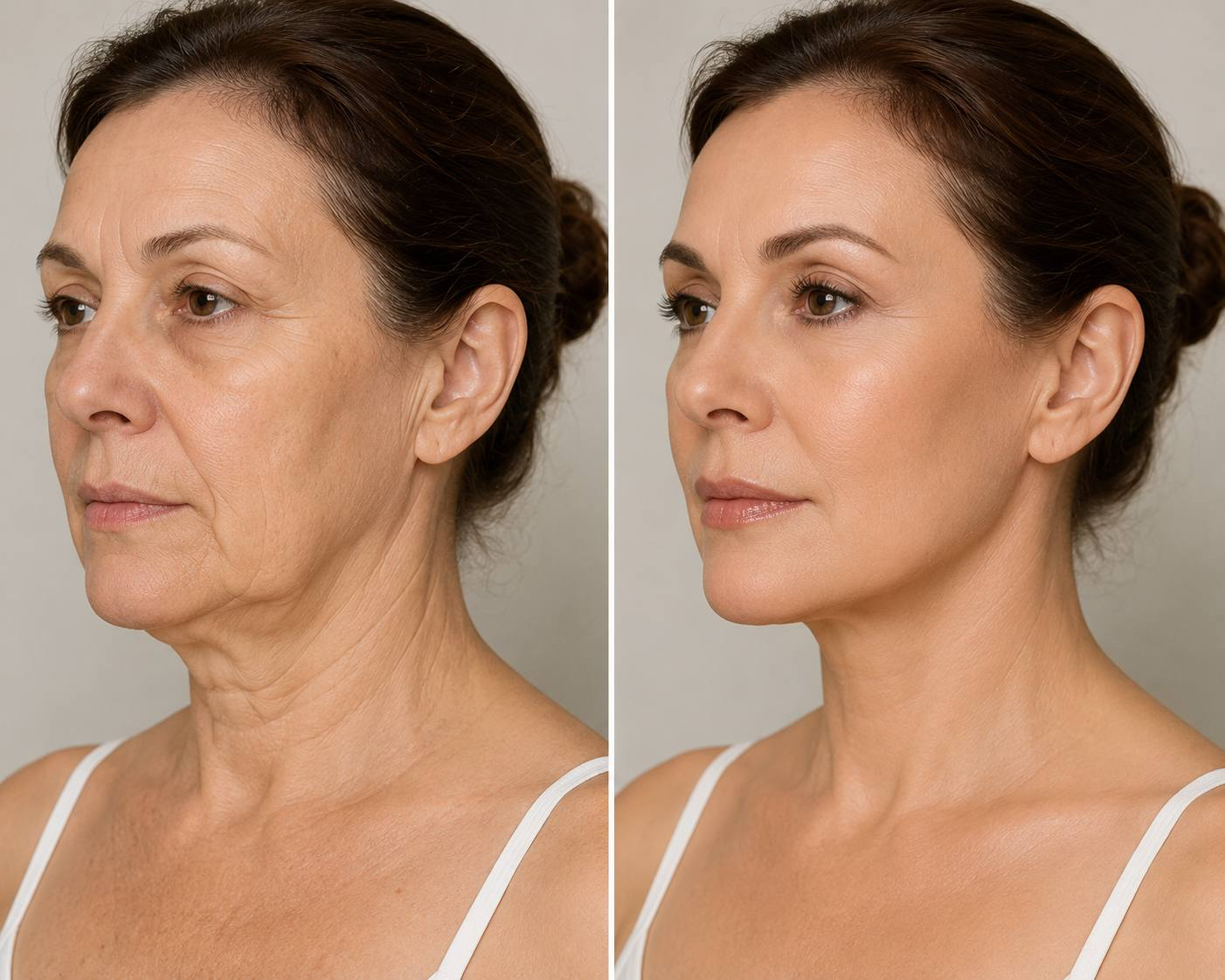
A practical guide to choosing between a mini facelift, a full facelift and a neck lift in Turkey, with realistic prices and recovery expectations.
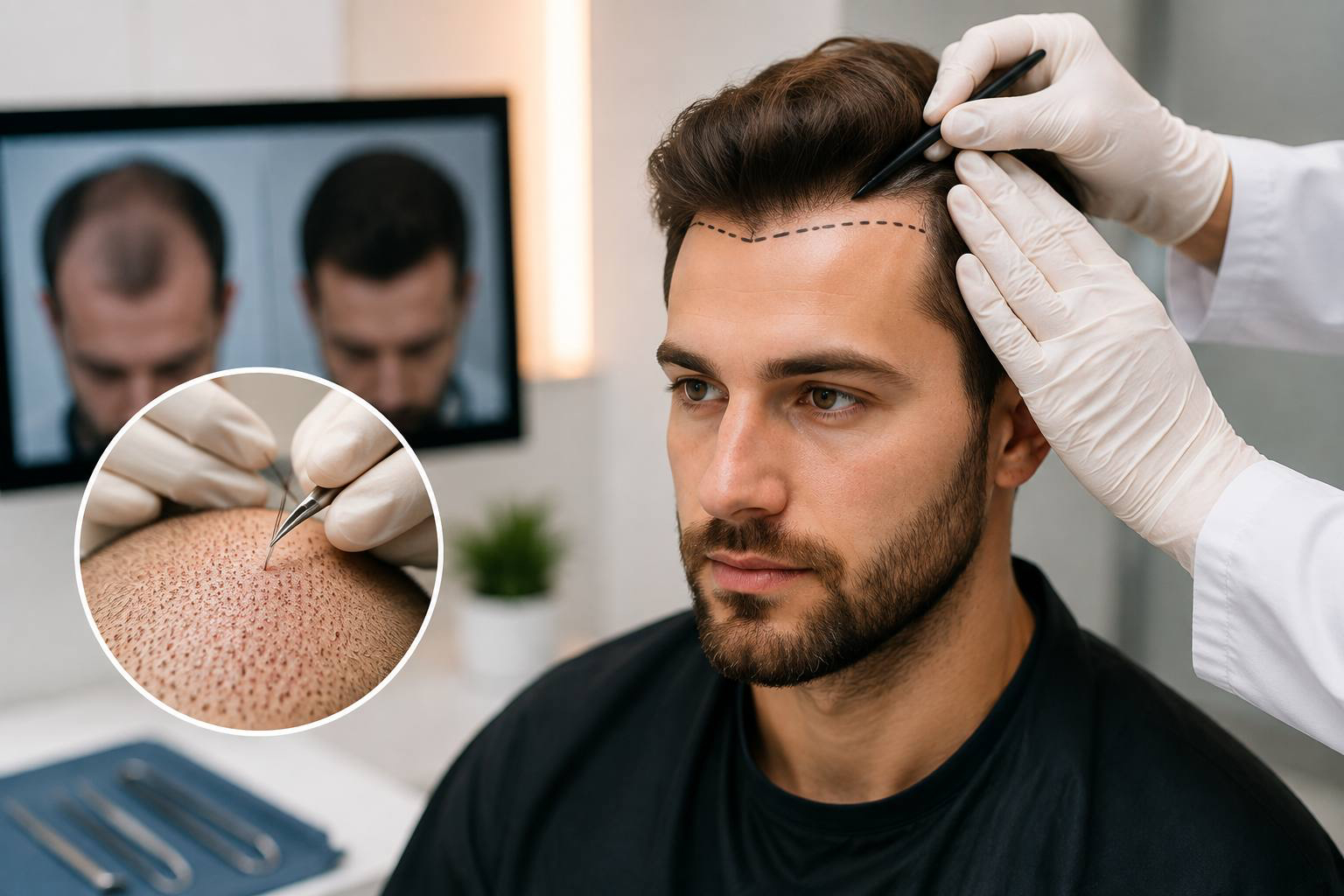
What to do in the two weeks before a hair transplant in Turkey — medications, haircut, alcohol, photos and travel — so surgery day goes smoothly.

A clear look at the health, body-fat and lifestyle factors Turkish surgeons assess before approving a Brazilian Butt Lift, and the timeline from consultation to surgery day.